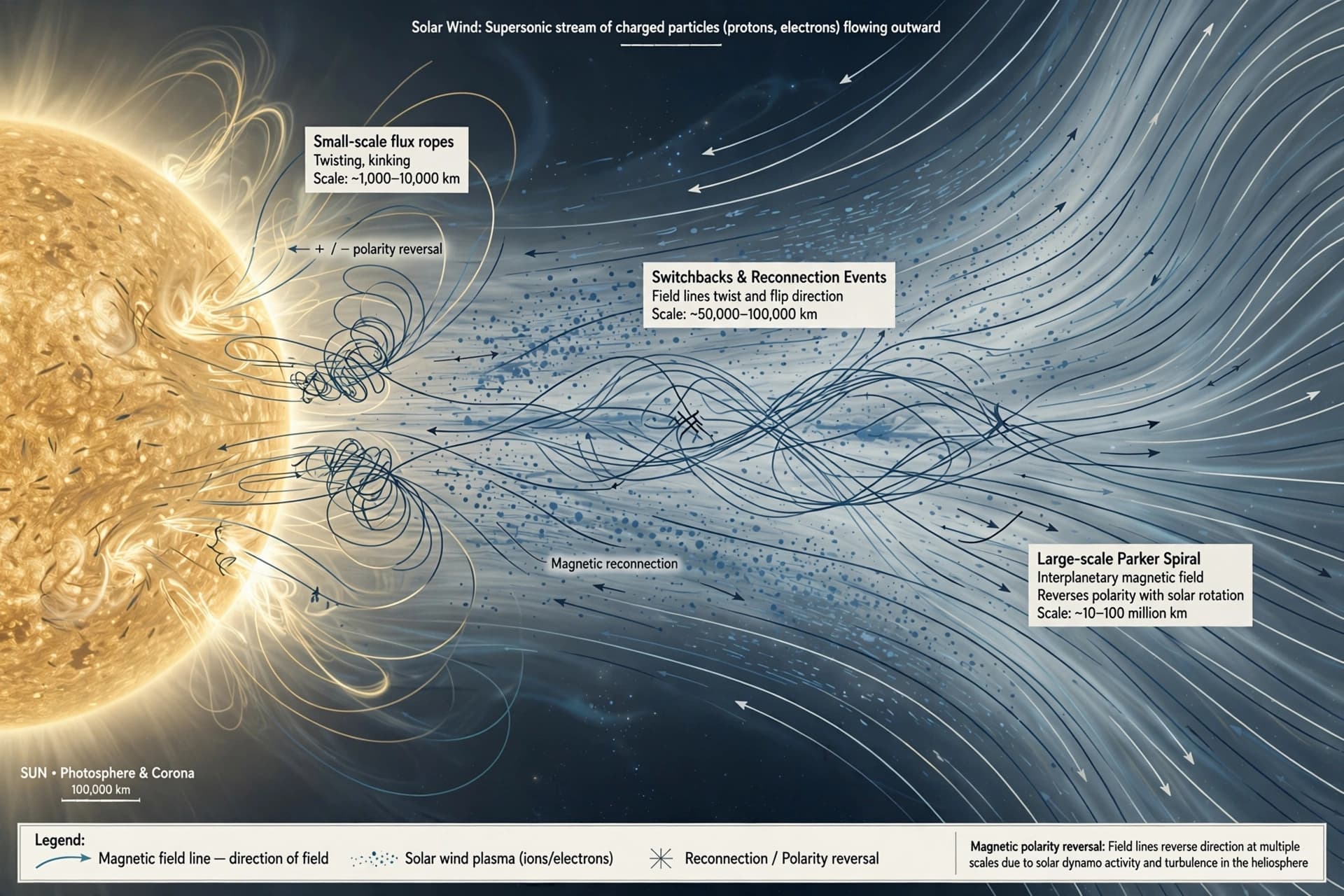
The Sun has always shaped life on Earth through warmth and light, but far above the atmosphere its influence stretches into a less visible domain. Solar activity quietly affects communication systems, spacecraft, and the fragile network of objects orbiting the planet. During periods of heightened activity, even distant satellites can feel the force of a restless star.
The Indian Space Research Organisation (ISRO) has confirmed that increased solar activity associated with the Sun’s current peak cycle is accelerating the descent of aging satellites and space debris back toward Earth. Scientists say the phenomenon is linked to changes in Earth’s upper atmosphere caused by stronger solar radiation.
During periods of intense solar activity, the upper atmosphere expands due to increased heating. This expansion creates greater atmospheric drag on satellites and debris orbiting at lower altitudes, gradually slowing them down and pulling them closer to Earth.
Researchers explain that while operational satellites can sometimes adjust their orbits to compensate, inactive spacecraft and smaller debris fragments lack propulsion systems capable of avoiding orbital decay. As a result, more objects are naturally re-entering the atmosphere.
Space agencies have long viewed atmospheric drag as both a challenge and a partial solution to orbital congestion. While increased drag can shorten satellite lifespans, it also helps remove older debris that might otherwise remain in orbit for decades.
Scientists continue monitoring solar cycles closely because intense solar storms can affect communication networks, GPS systems, and power infrastructure. Space weather forecasting has therefore become increasingly important as modern societies rely more heavily on satellite-based technologies.
The current solar cycle is expected to approach its maximum activity phase within the coming years. Astronomers say this period typically includes stronger solar flares, magnetic disturbances, and fluctuations in radiation levels affecting near-Earth space.
For many observers, the development serves as a reminder that Earth’s technological systems remain connected to cosmic forces beyond human control. Even carefully engineered satellites move within an environment shaped by the rhythms of the Sun itself.
ISRO and other international space agencies say monitoring efforts will continue as researchers study the long-term effects of solar activity on orbital infrastructure and space debris management.
AI Image Disclaimer: Some space-related visuals accompanying this article may include AI-generated representations of satellites and solar activity.
Sources: ISRO, Space.com, NASA, Reuters
Published by Banx Network. This article is part of the Banx decentralized media programme, powered by the BXE token on the XRP Ledger.