
The story of human origins is often told through fragments—bones, tools, and traces left behind across landscapes. Within these fragments lies a quiet question that has long invited reflection: why did some human relatives endure, while others gradually faded from view?
Recent research suggests that modern humans may have possessed subtle advantages that contributed to the disappearance of Neanderthals. These findings build on decades of study into the interactions between the two groups.
Neanderthals and early modern humans coexisted in parts of Europe and Asia for thousands of years. During this time, they shared environments and, in some cases, interbred.
Scientists have proposed various explanations for Neanderthal decline, including climate changes, competition for resources, and differences in population size. The new research highlights potential cognitive or social advantages among modern humans.
These advantages may have included more complex social networks, improved communication, or greater adaptability in changing environments. Such traits could have influenced survival over long periods.
Evidence for these differences comes from archaeological findings, including tools, settlement patterns, and symbolic artifacts. These clues offer insight into how each group lived and interacted.
Researchers emphasize that the disappearance of Neanderthals was likely not due to a single cause but rather a combination of factors unfolding over time.
The study contributes to an evolving understanding of human evolution, where outcomes are shaped by both biological and environmental influences.
As research continues, the question remains not only why Neanderthals disappeared, but how their story continues to inform the broader narrative of human history.
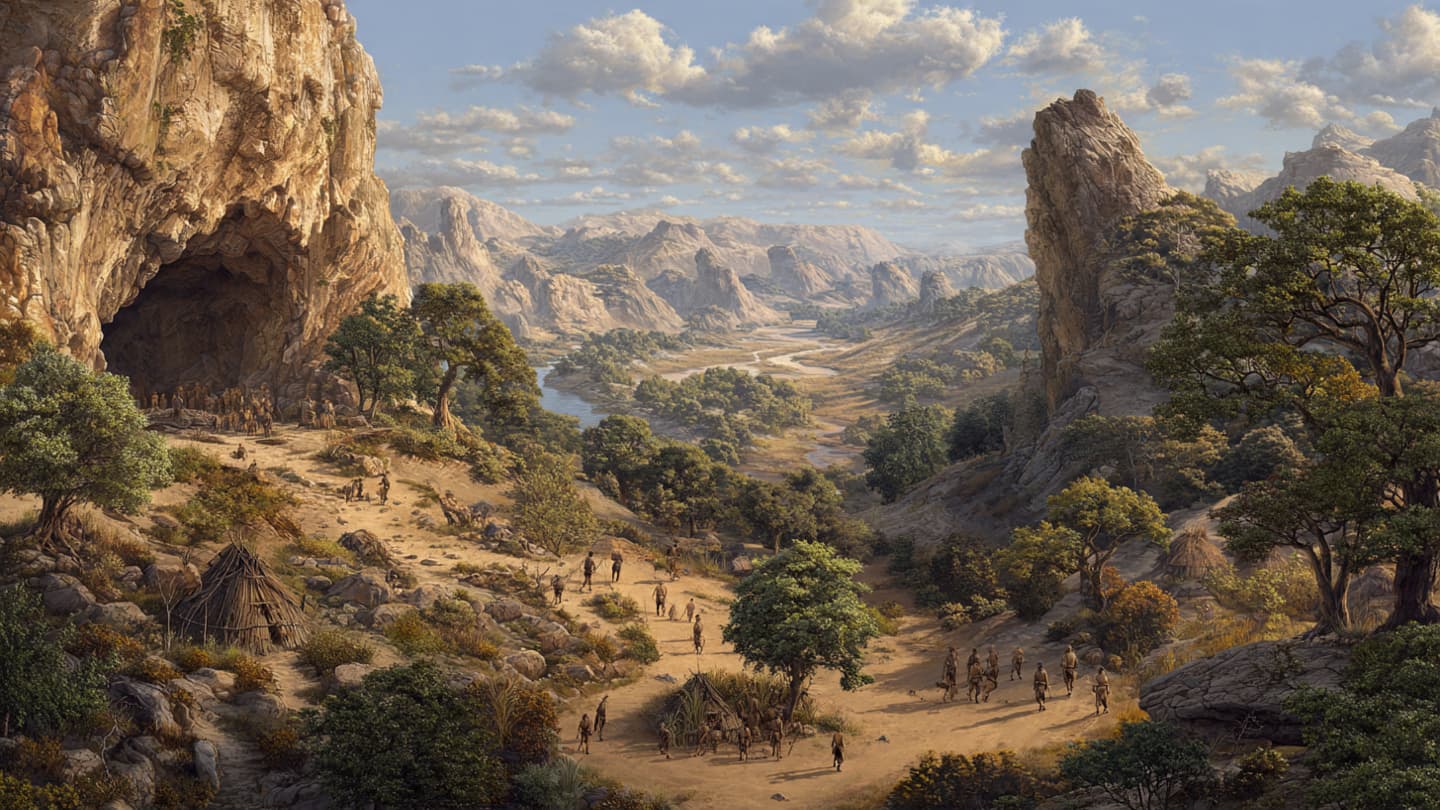
AI Image Disclaimer: The visuals included are AI-generated representations of prehistoric human life.
Sources: Nature, Science Magazine, BBC, Reuters
Published by Banx Network. This article is part of the Banx decentralized media programme, powered by the BXE token on the XRP Ledger.



