BUSINESS84% credibility
Power Beneath the Surface: Industry Moves Toward Expansion
: Iran expands industrial energy production through modernization and infrastructure investment.
1 min read

: Iran expands industrial energy production through modernization and infrastructure investment.

Iran’s regional air travel connectivity improves as airlines gradually restore routes and passenger traffic rises.
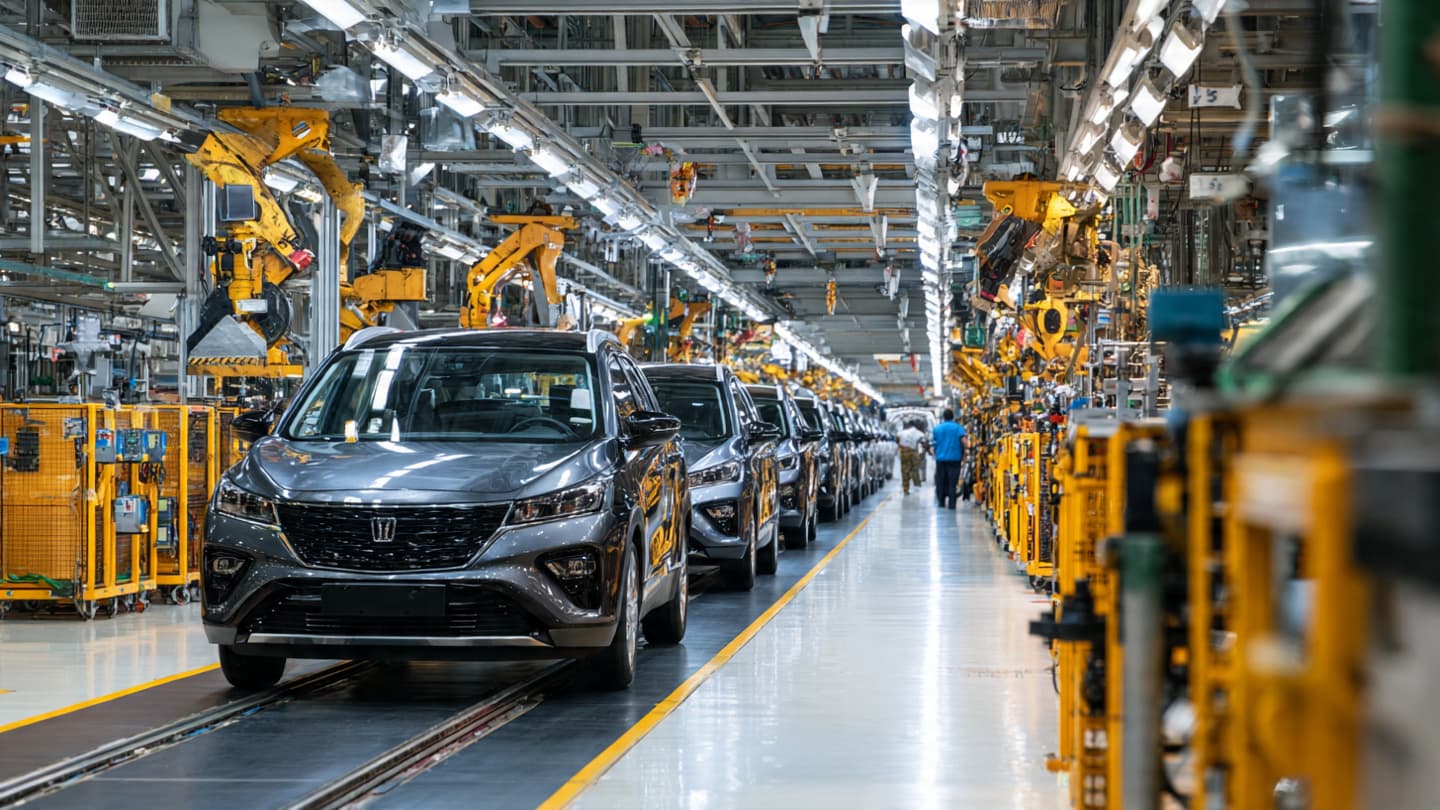
U.S. vehicle sales remain stable as automakers adapt to rising costs and changing consumer demand.
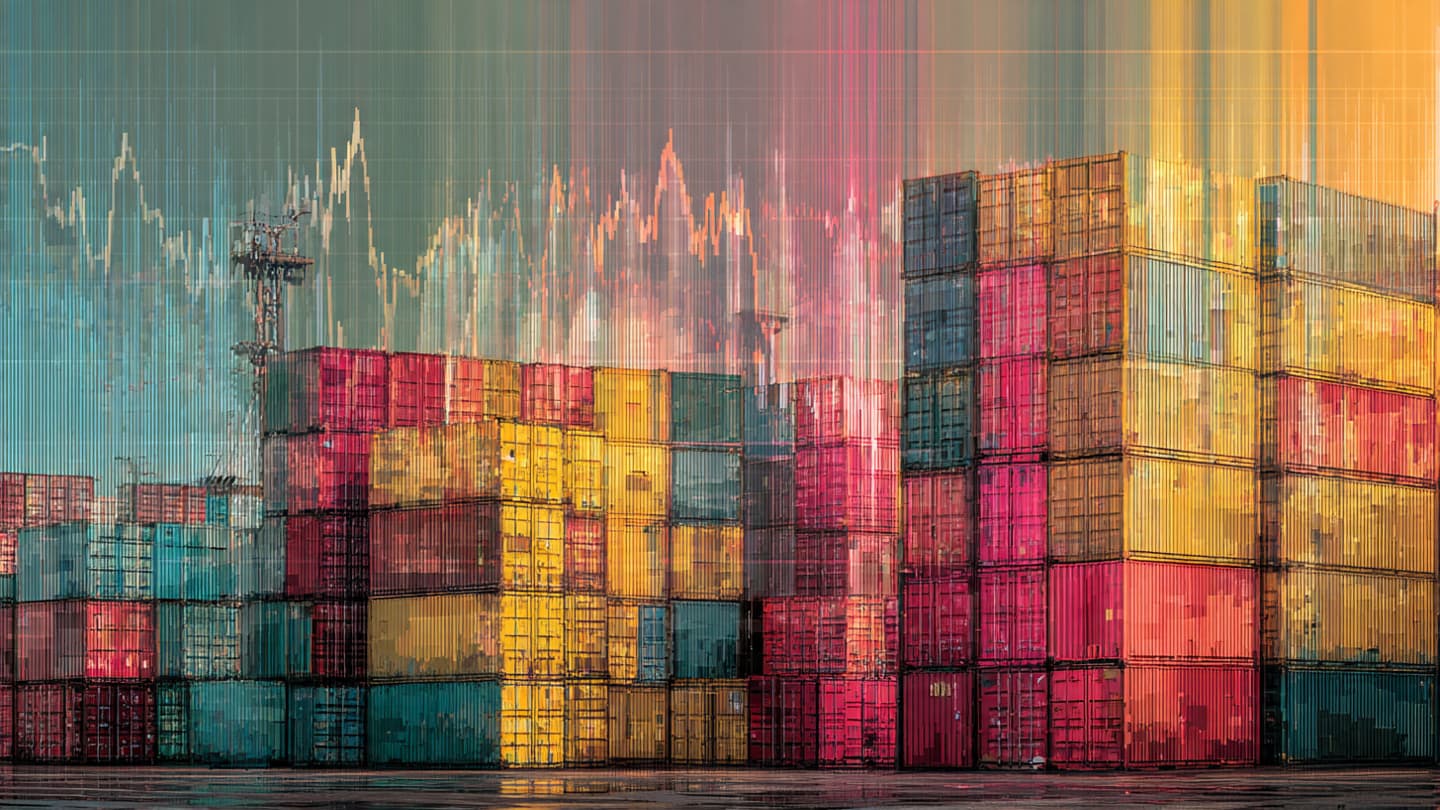
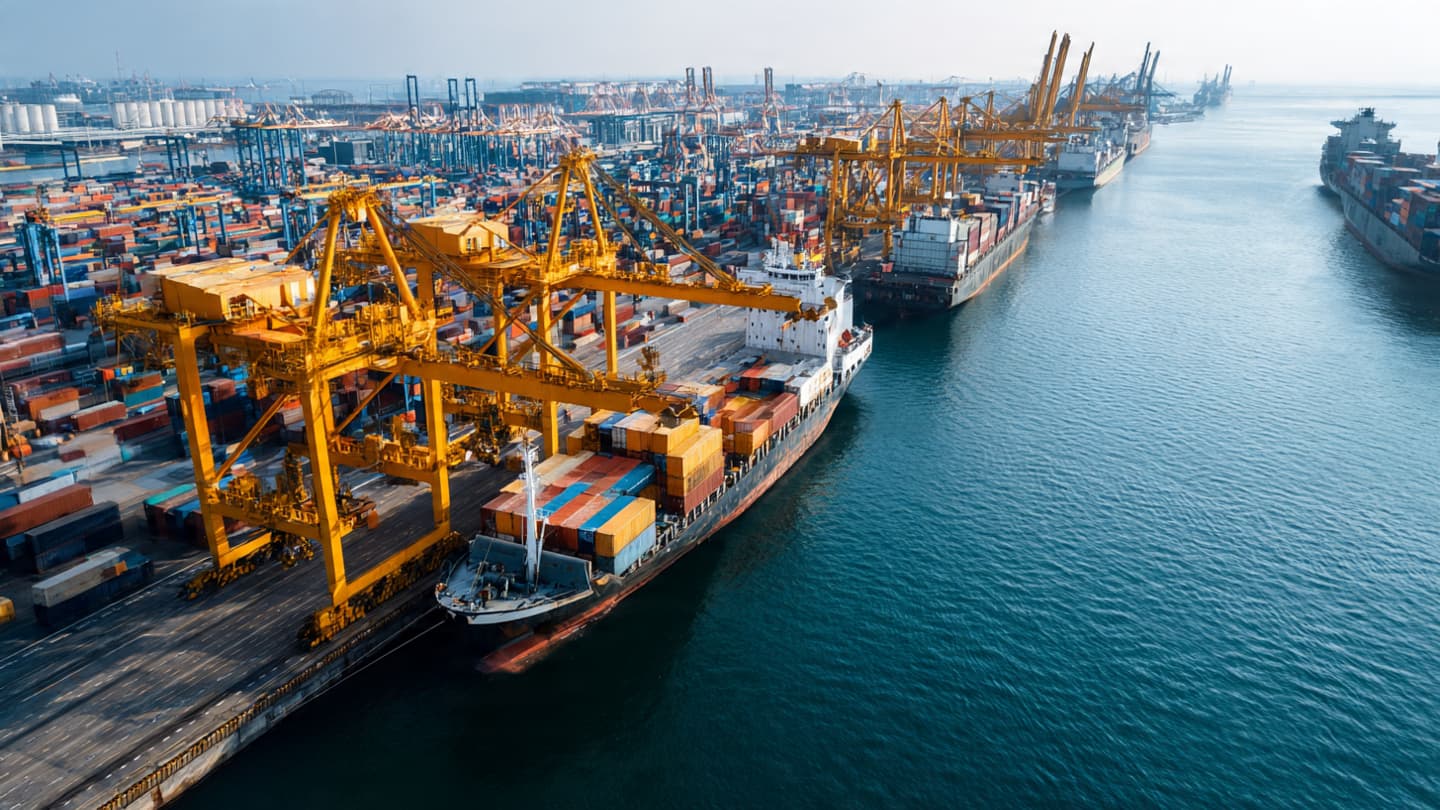
Freight costs are beginning to stabilize as global shipping conditions improve and risk premiums ease.
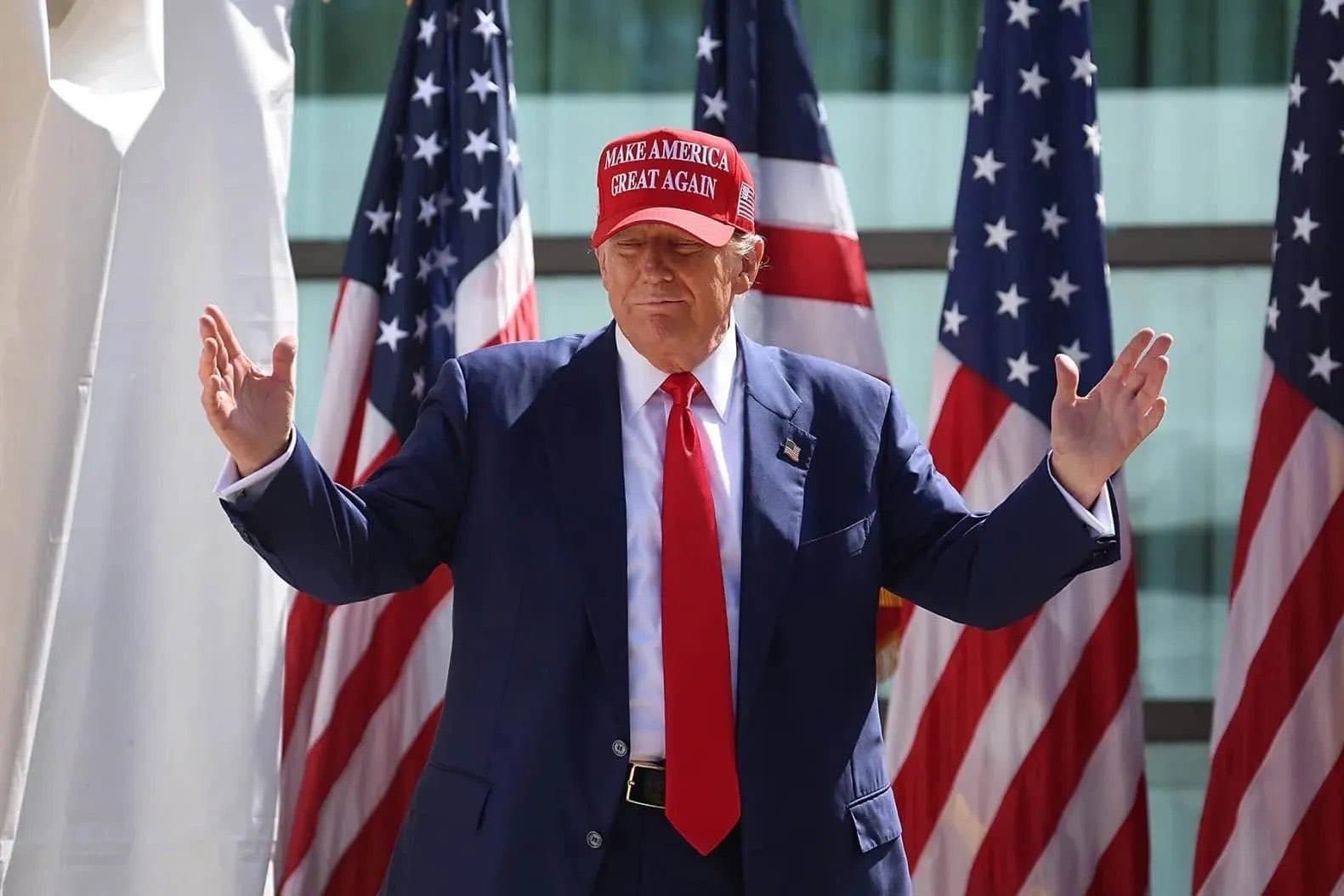
Donald Trump described communism as America's greatest threat since World War II, reigniting debate over ideology, national security and campaign rhetoric.

France's private sector contraction eased during June as manufacturing improved and business confidence strengthened despite continued weak demand.
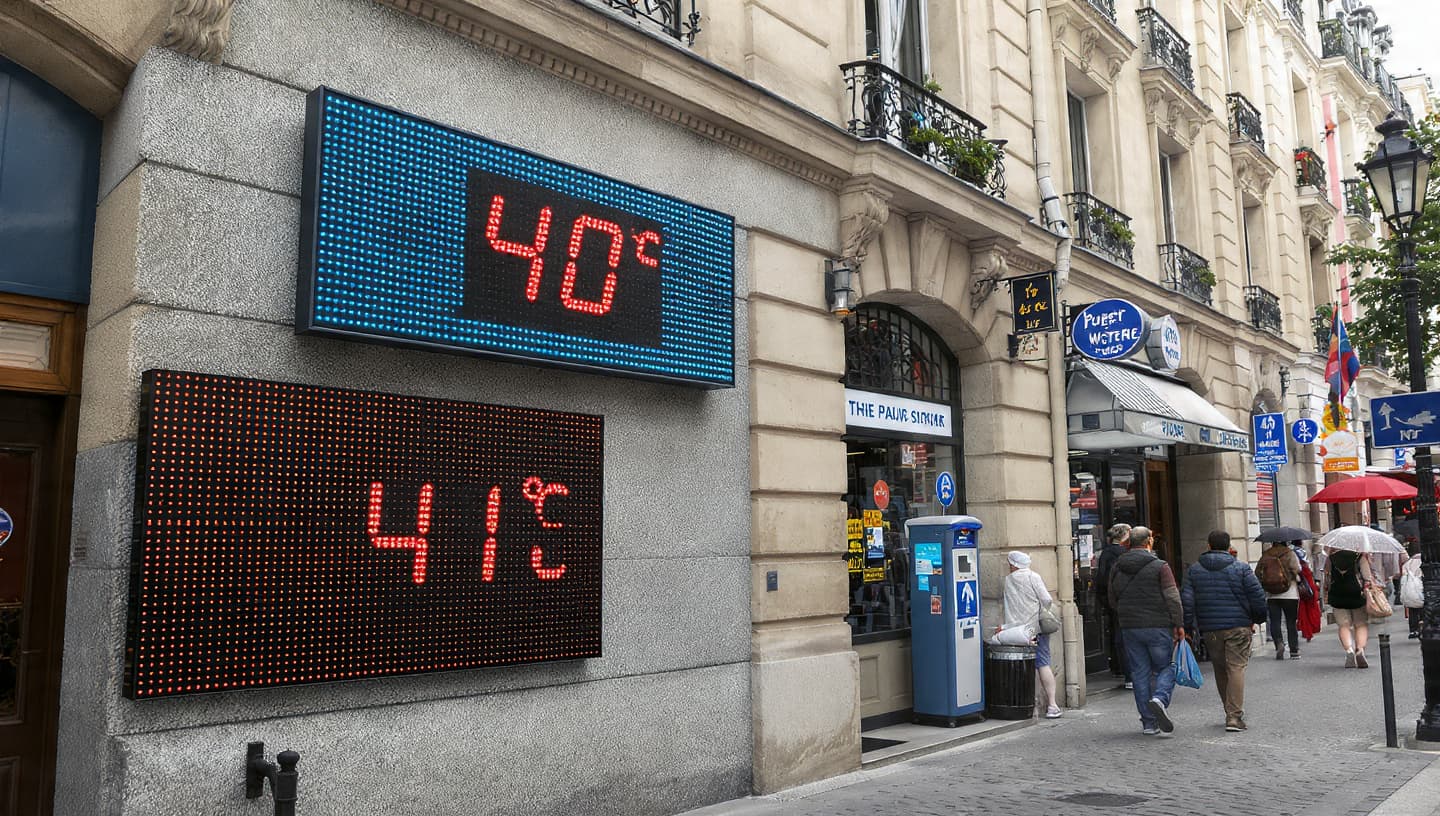
France registered its hottest national June temperature on record as exceptional heat continued affecting much of Western Europe.

Business confidence in France improved slightly even as consumer demand remained relatively weak, suggesting cautious optimism among companies
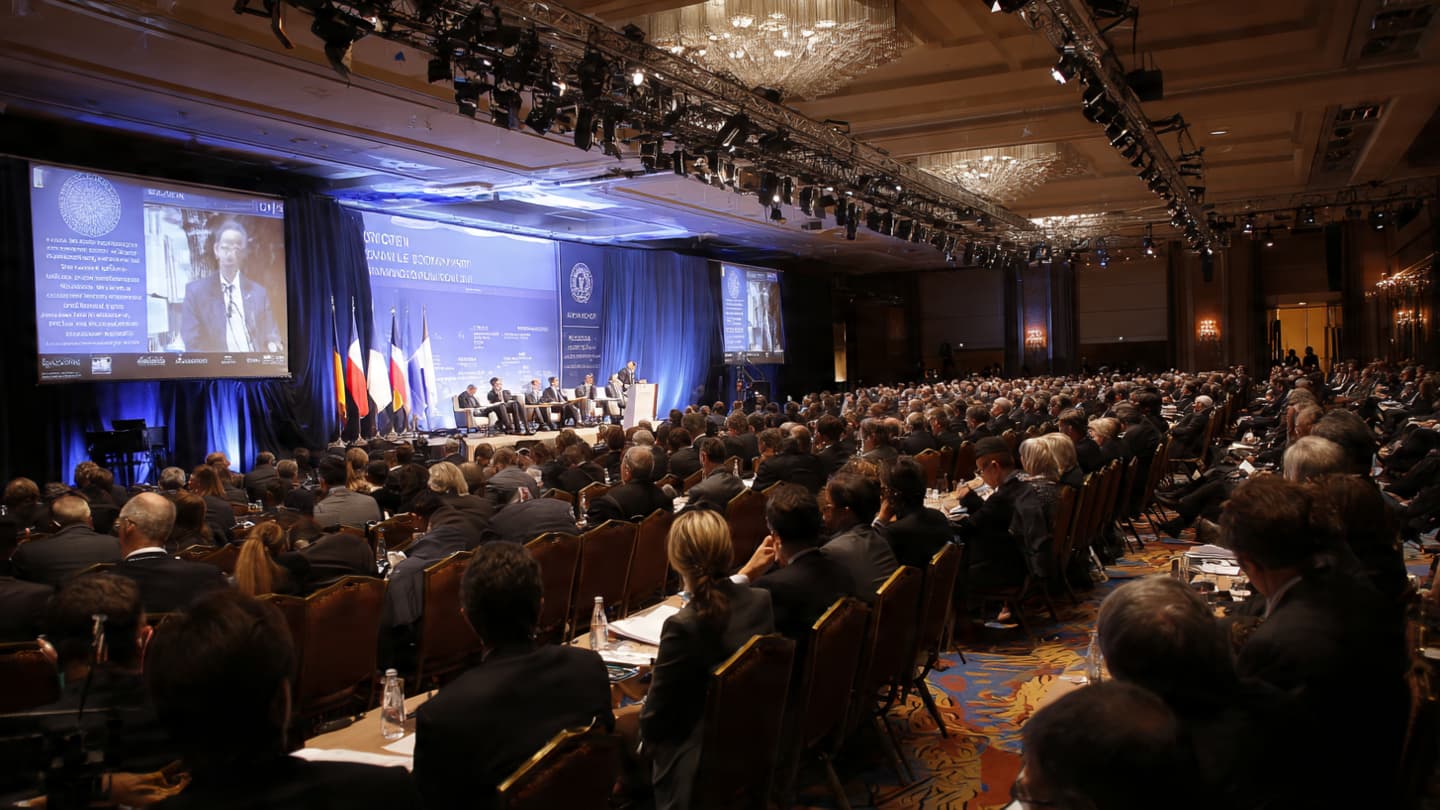
President Emmanuel Macron announced €93 billion in new investment commitments during the Choose France Summit 2026, reinforcing France's ambition to remain a leading destination for global investors.

Trump warned BRICS nations could face tariffs if they pursue alternatives to the U.S. dollar, highlighting ongoing debates over the global financial system.
An EU court ruling allowing aspects of private jet manufacturing to qualify for green investment has sparked renewed debate over sustainable finance standards.
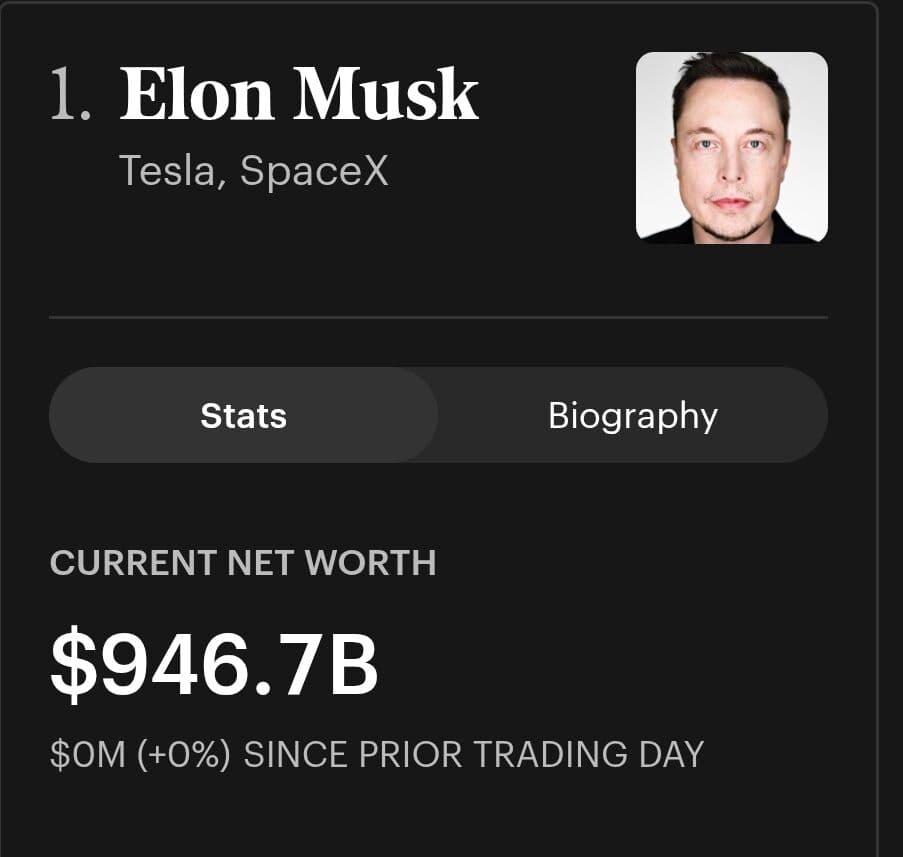
Elon Musk's estimated wealth has fallen sharply from its peak but remains far above Jeff Bezos thanks to holdings in Tesla, SpaceX and AI ventures.

France’s economic growth outlook has been revised lower as policymakers and analysts respond to slower global activity, geopolitical uncertainty, and ongoing financial pressures.

An intense heatwave sweeping across France is expected to affect economic productivity, with sectors such as construction, agriculture, transportation, and energy facing operational challenges due to extreme temperatures
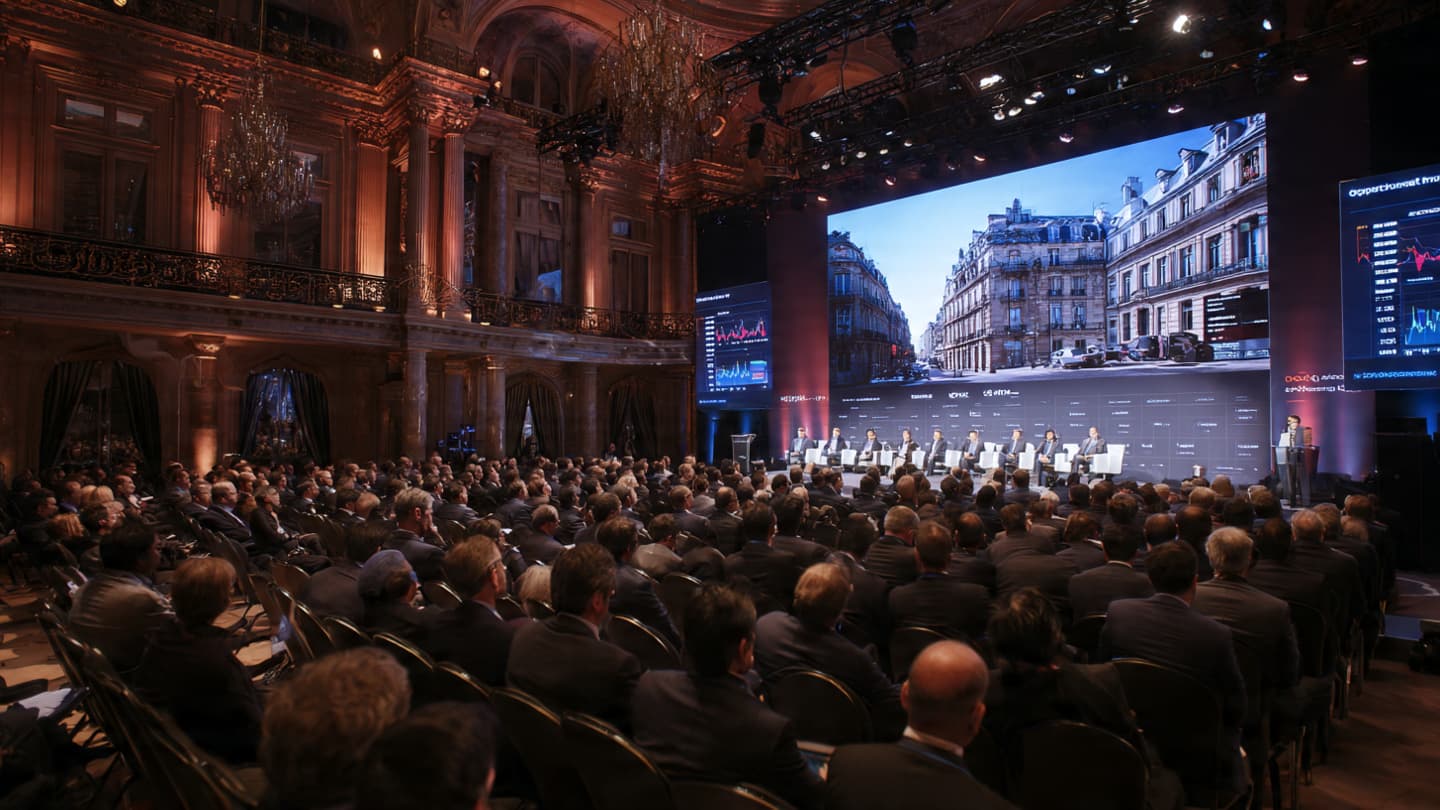
France’s “Choose France” initiative has secured €93 billion in investment commitments, reinforcing the country’s position as a major destination for international business and economic development.

France has once again been recognized as Europe’s leading destination for foreign investment, reflecting continued international confidence in its economy, workforce, and business environment.
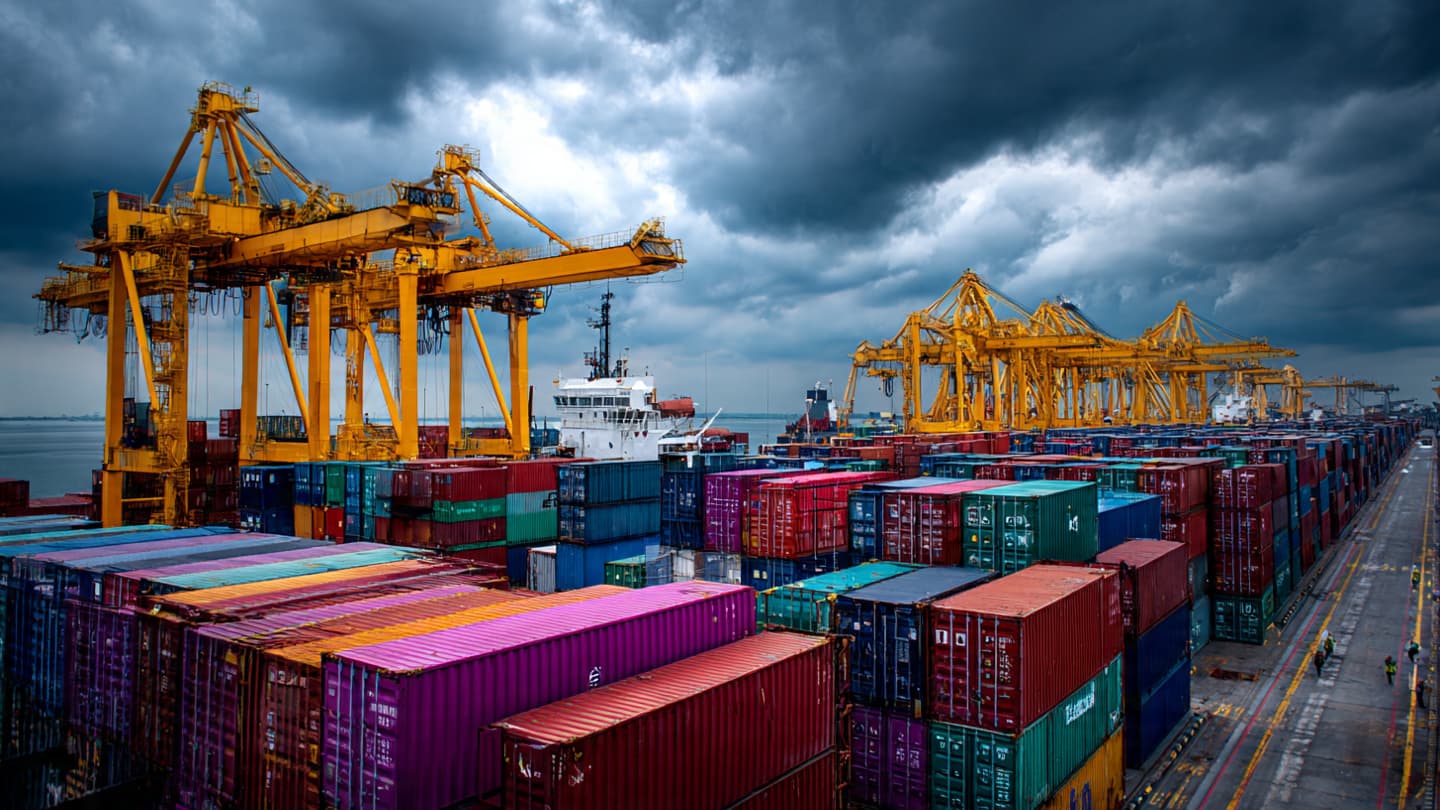
French export orders continue to face pressure as weaker global demand affects international trade. Businesses remain cautious while monitoring economic conditions across key overseas markets.

Business confidence in France has improved for the first time since January, reflecting better expectations among companies despite ongoing economic challenges and global uncertainties.
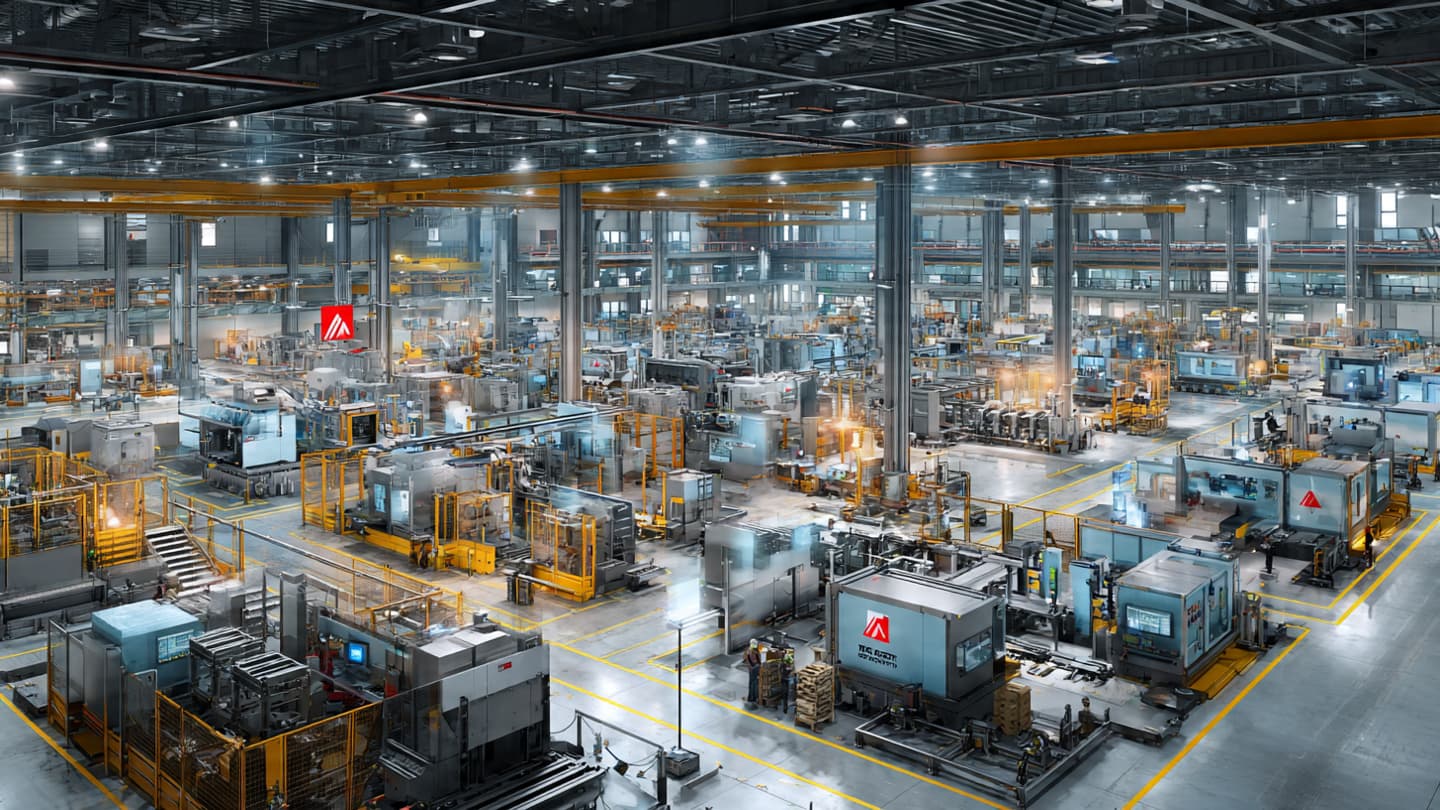
France’s manufacturing sector moved closer to expansion in June, with PMI data showing improved production activity and stronger business sentiment compared with earlier months.

France’s private sector continued to contract in June, but at a slower pace than previous months.

France’s national audit office has raised concerns about the government's ability to achieve its deficit reduction targets.
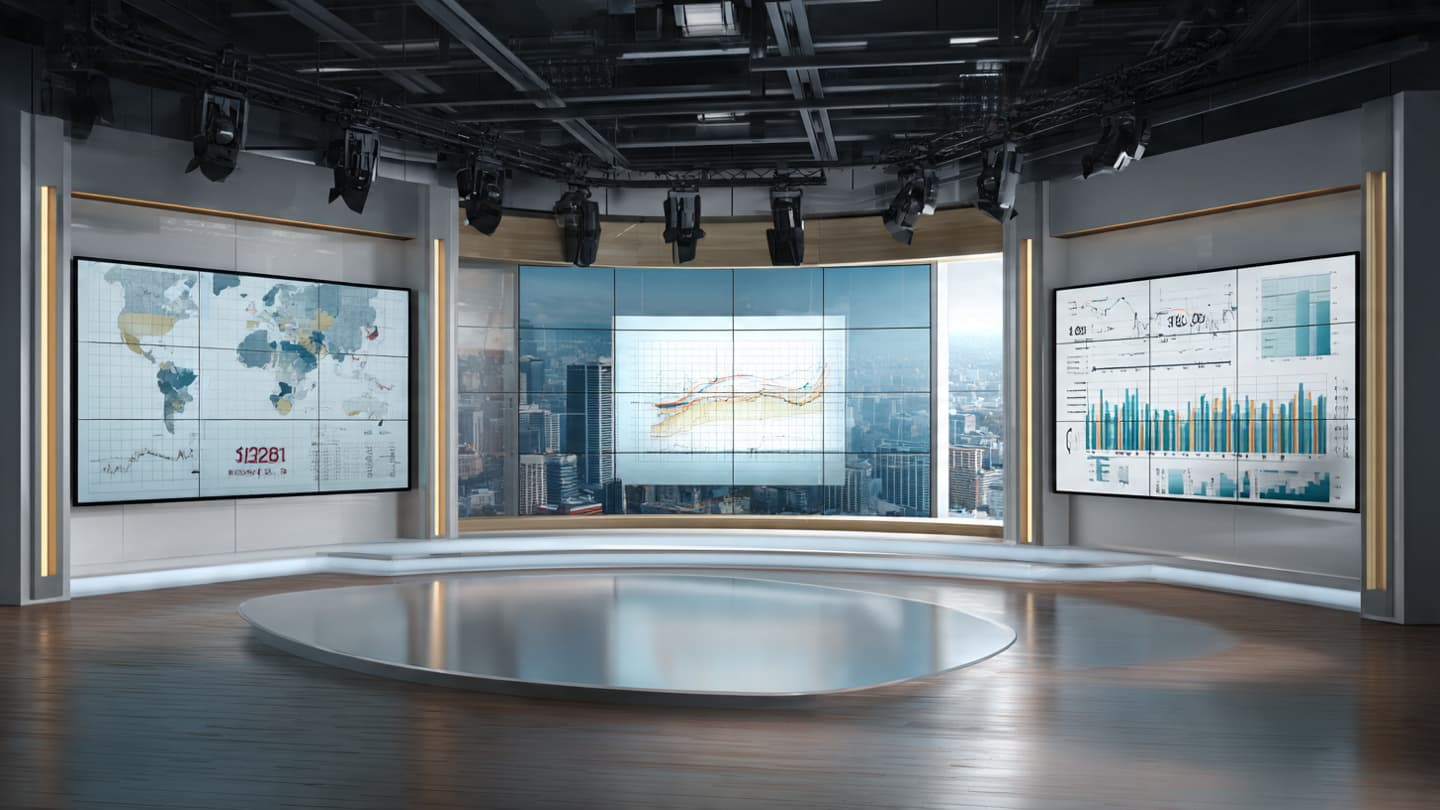
France is expected to spend €77.4 billion on interest payments in 2026, reflecting the impact of higher borrowing costs and rising debt levels.

France is facing growing scrutiny over its expanding public debt as higher borrowing costs and fiscal pressures challenge long-term economic planning.

The Federal Reserve's preferred inflation measure showed core PCE inflation rising to 3.4% year over year in May, its highest level since October 2023. The data indicate that underlying price pressures remain above the Fed's 2% target, potentially supporting a cautious approach to future interest-rate decisions.