There are days when nature gently reminds humanity that even the most carefully organized plans remain connected to forces beyond human control. A sudden storm can delay a journey, a drought can reshape a harvest, and a prolonged heatwave can alter the rhythm of an entire economy. Across France, record-breaking temperatures are doing precisely that, creating challenges that extend far beyond weather forecasts and into the daily operations of businesses, industries, and public services.
The current heatwave has drawn attention not only because of its intensity but also because of its economic implications. While sunshine often evokes images of leisure and tourism, extreme heat presents a different reality. When temperatures climb to uncomfortable and potentially dangerous levels, productivity can slow, infrastructure can come under strain, and businesses may be forced to adjust operations to protect workers and maintain safety.
Construction is among the sectors most directly affected. Outdoor labor becomes increasingly difficult during periods of intense heat, particularly during peak afternoon hours. Employers often introduce modified schedules, additional breaks, and enhanced safety measures to reduce health risks. While these adjustments are necessary, they can also influence project timelines and overall productivity.
Agriculture faces its own set of challenges. Farmers across various regions must contend with increased water demands, heat stress on crops, and concerns about livestock welfare. Agricultural production has always been closely tied to weather conditions, but prolonged periods of extreme heat can create additional uncertainty regarding yields and operational costs.
Transportation networks are not immune to these pressures. High temperatures can affect rail infrastructure, road surfaces, and logistical operations. Delays, maintenance requirements, and precautionary measures become more common during periods of extreme weather. Even small disruptions can create ripple effects across supply chains and commercial activities.
Energy demand also tends to increase significantly during heatwaves. Businesses, offices, and households rely more heavily on cooling systems, leading to greater pressure on electricity networks. Managing this demand requires careful coordination between energy providers and public authorities, particularly when temperatures remain elevated for extended periods.
Despite these challenges, many French businesses have demonstrated a growing capacity to adapt. Advances in workplace safety, climate-control technologies, and operational planning have helped organizations respond more effectively to extreme weather conditions. Companies increasingly view climate resilience as an important component of long-term strategy rather than a temporary concern.
Economists note that the relationship between climate and productivity is becoming more significant. As heatwaves become more frequent and intense across parts of Europe, businesses are paying closer attention to how environmental conditions influence workforce performance, operational efficiency, and investment planning. What was once considered an occasional disruption is increasingly becoming a factor in economic forecasting.
The tourism sector presents a more nuanced picture. While warm weather can attract visitors, extreme temperatures may also discourage travel, reduce outdoor activity, and affect visitor experiences. Businesses dependent on tourism must therefore balance the benefits of seasonal demand with the challenges posed by unusually intense weather conditions.
Looking ahead, the current heatwave serves as a reminder that economic resilience increasingly depends on environmental resilience. The challenge facing France is not simply how to respond to a single period of extreme weather, but how to prepare for a future in which such events may become more common. Through adaptation, investment, and innovation, businesses and institutions will continue seeking ways to maintain productivity while navigating a climate that is growing less predictable.
AI IMAGE DISCLAIMER
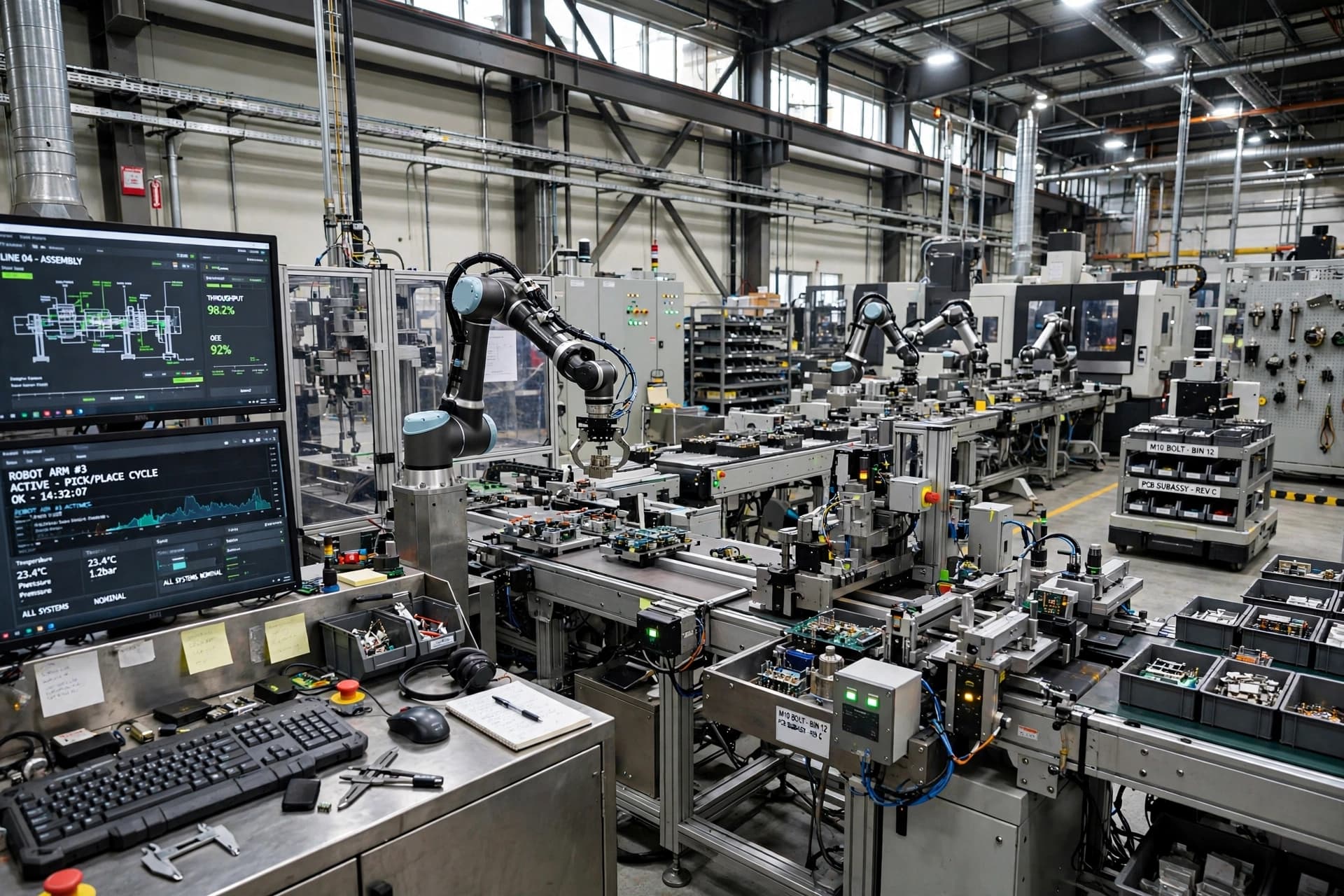
Graphics are AI-generated and intended for representation, not reality.
SOURCE CHECK
Reuters Le Monde Financial Times AFP France 24
Published by Banx Network. This article is part of the Banx decentralized media programme, powered by the BXE token on the XRP Ledger.