The Rhythm of the Loom Resounds Again: Reflections Behind Local Fibers
The revitalization of Angola's textile industry marks an important step towards manufacturing independence, creating jobs and reducing reliance on imported products.

The revitalization of Angola's textile industry marks an important step towards manufacturing independence, creating jobs and reducing reliance on imported products.

Revitalization of the Lobito Corridor through the Benguela railway strengthens Angola's role as a strategic logistics hub for mineral exports from the heart of Africa to the global market.

Australian business confidence hits a multi-year low as firms and consumers grapple with high interest rates, persistent inflation, and global supply chain uncertainties affecting retail and trade.

New Zealand experiences a statistical rise in labor productivity driven by job cuts rather than growth, as high interest rates and inflation continue to strain consumer confidence and the "work hard" ethos.

Serbia formalizes a massive industrial expansion by integrating the Cukaru Peki and Malka Golaja sites into a unified spatial plan to maximize gold and copper extraction for national growth.

Angola launched the ANGEO-1 satellite project for earth observation, enhancing technological sovereignty and national environmental monitoring capabilities from space.

Angola accelerates vocational training programs for 400,000 youth, providing free work tools to encourage economic independence and local entrepreneurship.

Archaeologists in Serbia have discovered a rare collection of Roman scientific and medical instruments at Viminacium, revealing high levels of technical precision in the ancient Balkan world.

New Zealand researchers have documented saltwater traveling 12km up the Waihou River, a consequence of rising sea levels that threatens both local agriculture and freshwater ecosystems.

Australian physicists have developed a quantum-based navigation system that uses atomic sensors to determine precise locations without the need for vulnerable satellite signals or GPS.

Angola launches a major tourism initiative worth €500 million, positioning its natural wealth as "green oil" for economic diversification and job creation.

Serbian environmental scientists are mapping heavy metal accumulation in Danube River sediments, creating a vital chemical archive to guide future water protection and industrial policy.

New Zealand scientists in Taupō are pioneering a method to turn captured CO2 into rock by injecting it into geothermal reservoirs, harnessing volcanic heat for permanent carbon storage.

Angola opens new offshore energy blocks for exploration, leveraging its oil and gas wealth to fund long-term industrial and agricultural diversification.

Angola sees a major surge in domestic grain production, marking a critical step toward food security and the diversification of its rural economy.

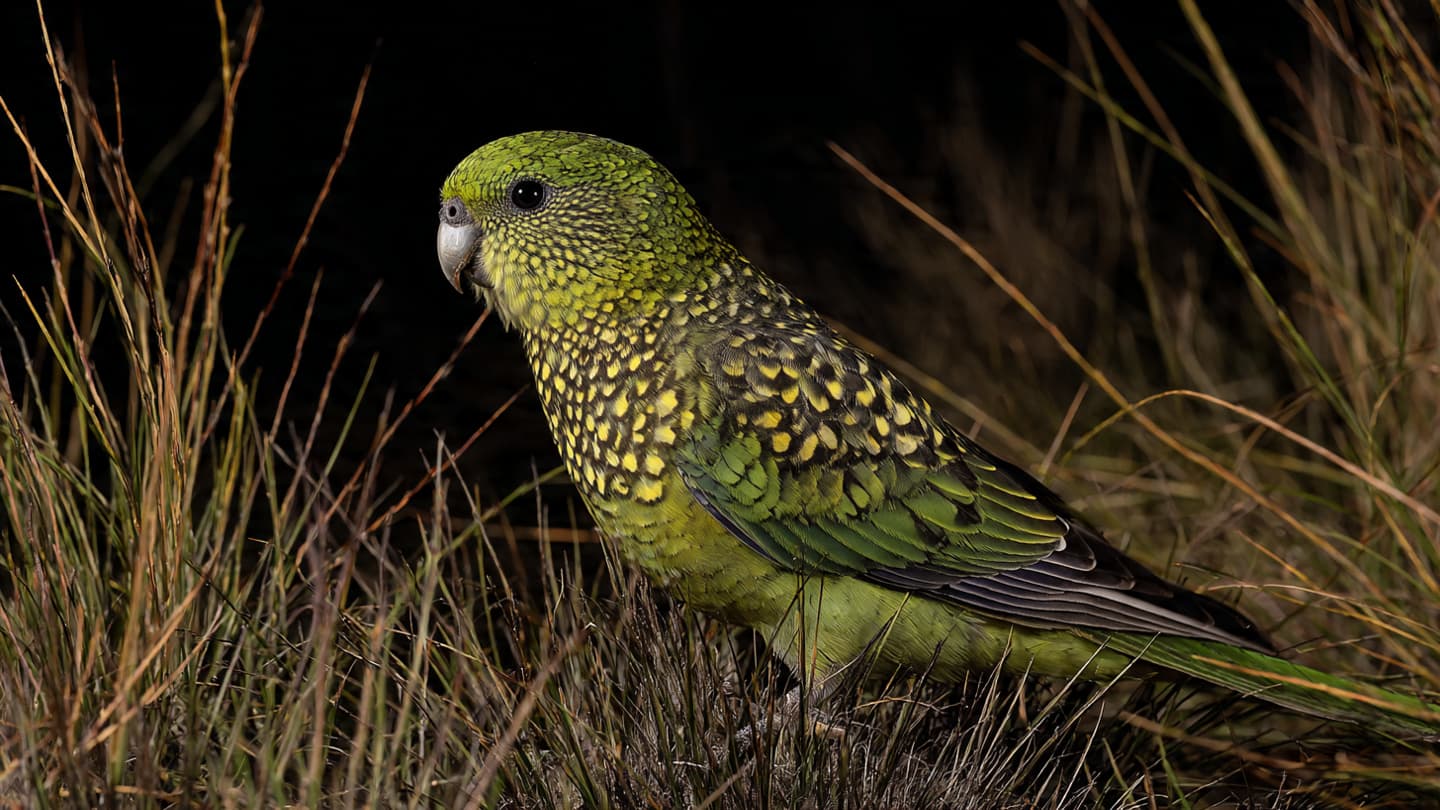
Australian researchers have discovered a new population of the elusive, endangered Night Parrot in the Pilbara desert, using bioacoustic technology to track the "emerald ghost" of the outback.

Angola’s Benguela Railway and the Lobito Corridor see record-breaking activity, strengthening the nation’s role as a vital logistical hub for Africa’s mineral wealth.

The Belgrade Astronomical Observatory celebrated 139 years of celestial research in April 2026, marking its legacy while launching new international satellite and space-debris research projects.

A landmark 60-year study in New Zealand reveals a devastating 82% decline in native moth populations in Canterbury, underscoring the severe impact of habitat loss and climate change.

Australian scientists have discovered a rare fossil site in New South Wales where iron minerals have preserved the cellular details of a 16-million-year-old rainforest ecosystem in stunning clarity

Belgrade has opened three new high-tech research laboratories at its Innovation Centre, focusing on VR and biomedical engineering to strengthen Serbia’s position in the global technology sector.

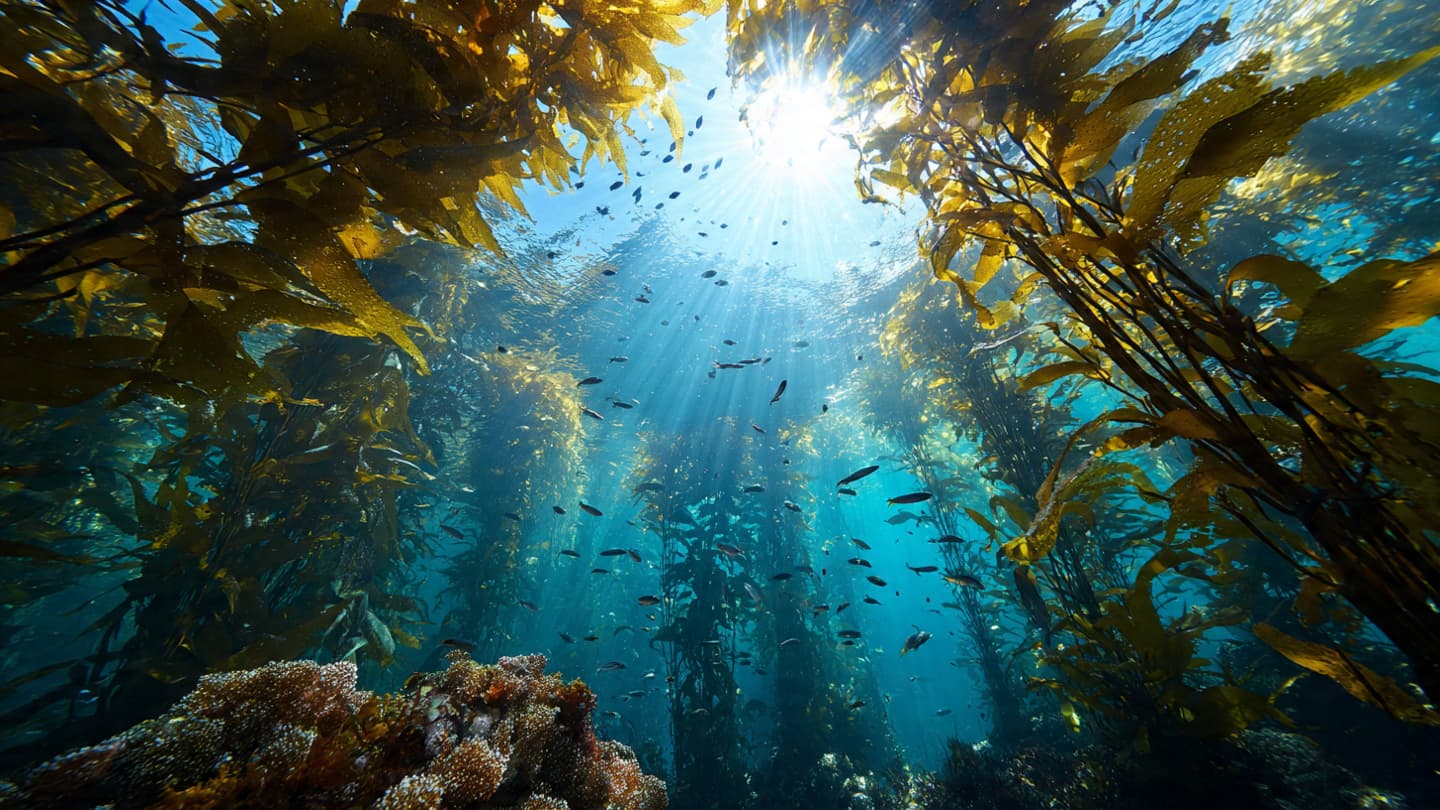
Australia has launched a $6.9 million research initiative into seaweed and microalgae, aiming to transform marine biomass into sustainable industrial solutions and carbon-capture technologies.

University of Auckland researchers have identified evidence of "punctuated" evolution, showing that life’s most significant biological changes occur in sudden, intense bursts across millions of years.

The 64th Student Congress of Biomedical Sciences in Kopaonik has brought together Serbia’s emerging scientific talent to present innovative research and foster collaboration in the medical field.