
Key Highlights
- Revival of Angola's textile industry is underway, focusing on local production.
- The initiative aims to create jobs and reduce reliance on imports.
- Government support includes tax incentives for factories like Alcontom and Satec.
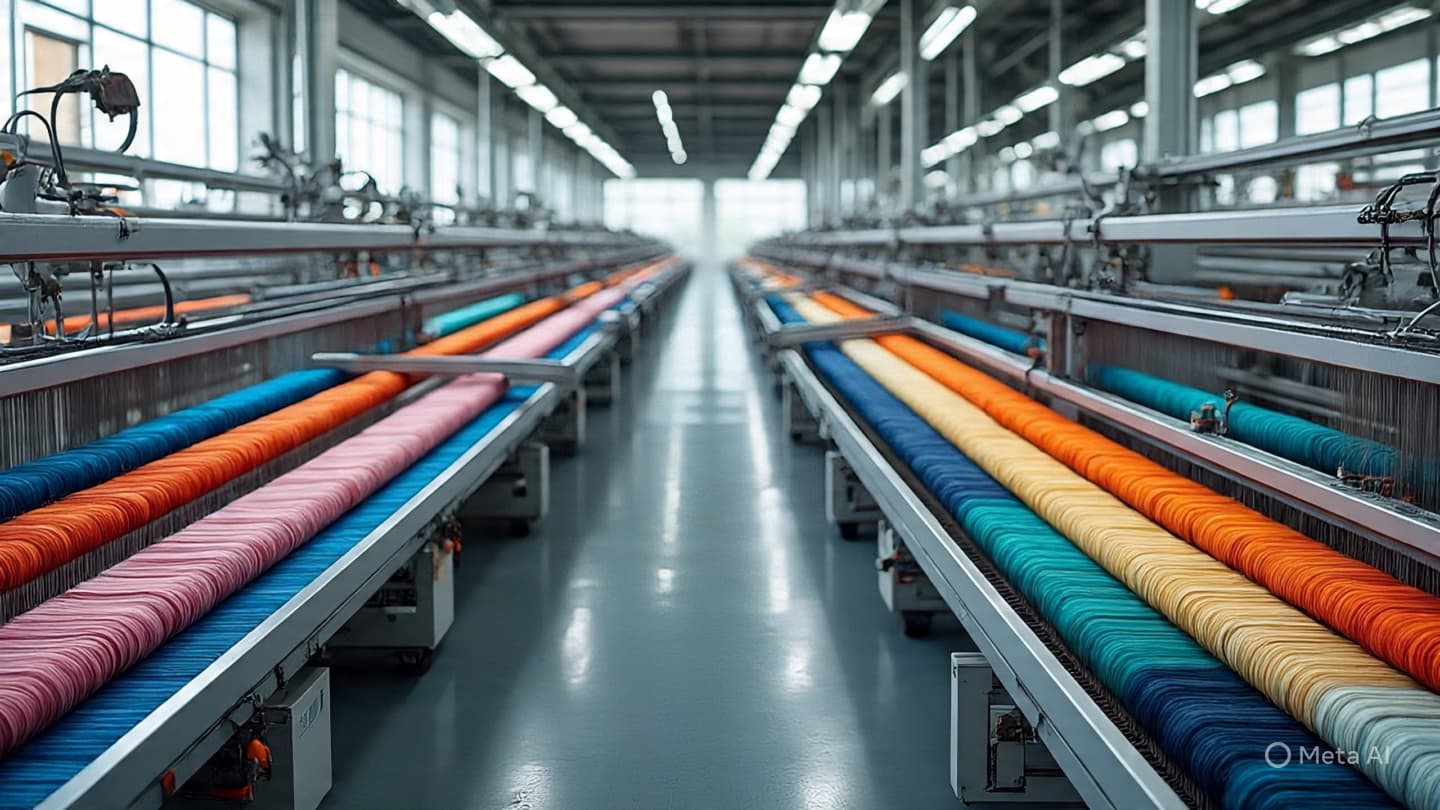
Angola's textile industry, once a symbol of national pride, is experiencing a significant revival as factories come back to life, producing fabrics that reflect the country's rich heritage and aspirations for economic independence. The sound of spinning machines and weaving looms fills the air, signifying a renewed commitment to transforming raw materials into high-quality textiles. This resurgence is not just about manufacturing; it embodies a broader movement towards self-sufficiency and economic dignity.
The revival of the textile sector is a complex endeavor that requires both meticulous planning and bold investment. It highlights the importance of product sovereignty, where the identity of a nation is intertwined with the garments it produces. By revitalizing its textile factories, Angola is taking steps to reclaim its economic narrative, moving away from a reliance on imported goods and towards a future where local production thrives.
On the production floors of factories in regions like Dondo and Luanda, the creative industry is emerging as a key player in this economic transformation. Local cotton is being processed into clothing that caters to both domestic and regional markets, fostering a sense of pride in locally made products. This shift not only supports the economy but also strengthens community ties, as families benefit from the jobs created in these revitalized factories.
Sustainability is at the heart of this industrial revival. The Angolan government is committed to ensuring that the textile industry not only produces goods but also supports local communities. By investing in factories and creating job opportunities, the government is fostering an environment where the workforce can thrive. This approach reflects a broader understanding that true wealth lies in empowering people through sustainable economic practices.
The atmosphere within these factories is one of hope and productivity. Workers are engaged in the intricate process of weaving, dyeing, and finishing fabrics, ensuring that each piece meets high standards of quality. This dedication to craftsmanship is a testament to the resilience of the Angolan people and their commitment to building a prosperous future through local production.
As the sun sets over warehouses filled with vibrant rolls of fabric, the pride of a nation is palpable. This planned growth mirrors the patterns formed on the looms, symbolizing a future where the brand "Made in Angola" carries significant meaning. The focus on diversifying manufacturing through textiles is a blueprint for a more resilient economy, one that can withstand global challenges.
The collaboration between the private sector and the government is crucial in restoring Angola's industrial capacity. Investments in modern machinery and training for artisans are paving the way for a prosperous future. The government's initiatives, including tax incentives and infrastructure support for major factories like Alcontom and Satec, aim to meet the growing demand for locally produced garments while reducing imports. This integrated approach from cotton cultivation to the fashion industry is setting the stage for a vibrant textile sector that can sustain itself and contribute to the nation's economic growth.
Published by Banx Network. This article is part of the Banx decentralized media programme, powered by the BXE token on the XRP Ledger.



