
TECHNOLOGY100% credibility
The Tells Between Frames: How Reality Quietly Gives Itself Away
AI-generated videos can be spotted through subtle visual, audio, and contextual cues that reveal prediction rather than lived motion.
2 min read

AI-generated videos can be spotted through subtle visual, audio, and contextual cues that reveal prediction rather than lived motion.
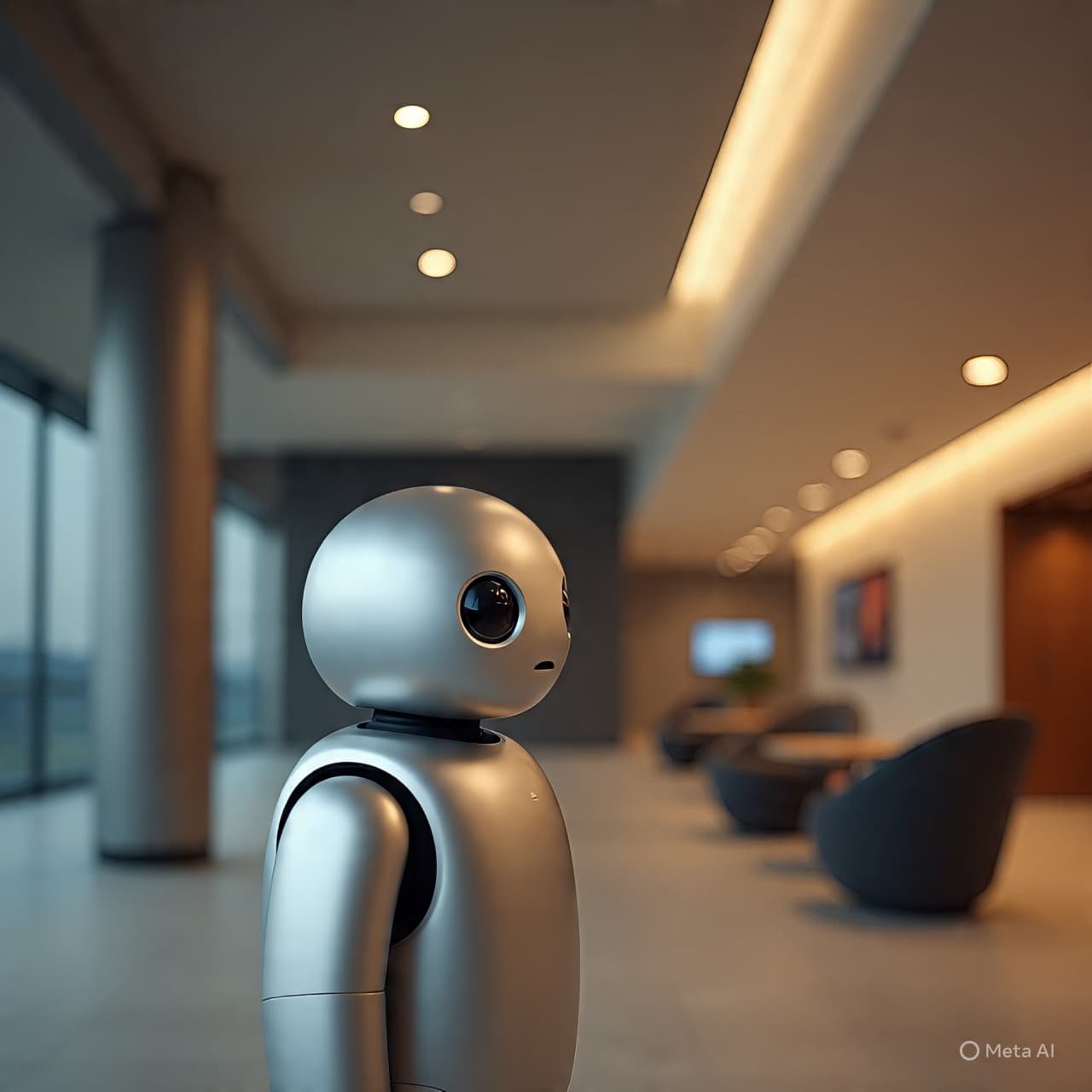
Sprout is a robot designed around human comfort, using gentle motion and restraint to explore how approachability shapes trust in human-robot interaction.

Robo-dogs are emerging as quiet, ground-level tools for forest conservation, extending monitoring and early warning without disturbing fragile ecosystems.

Virtual reality therapy in Gaza gives war-scarred children brief psychological reprieve, aiding emotional regulation and moments of calm amid ongoing trauma.

Starlink has proven vital in wartime communication but remains a commercial system with outages, control limits, and field challenges that constrain its battlefield reliability.
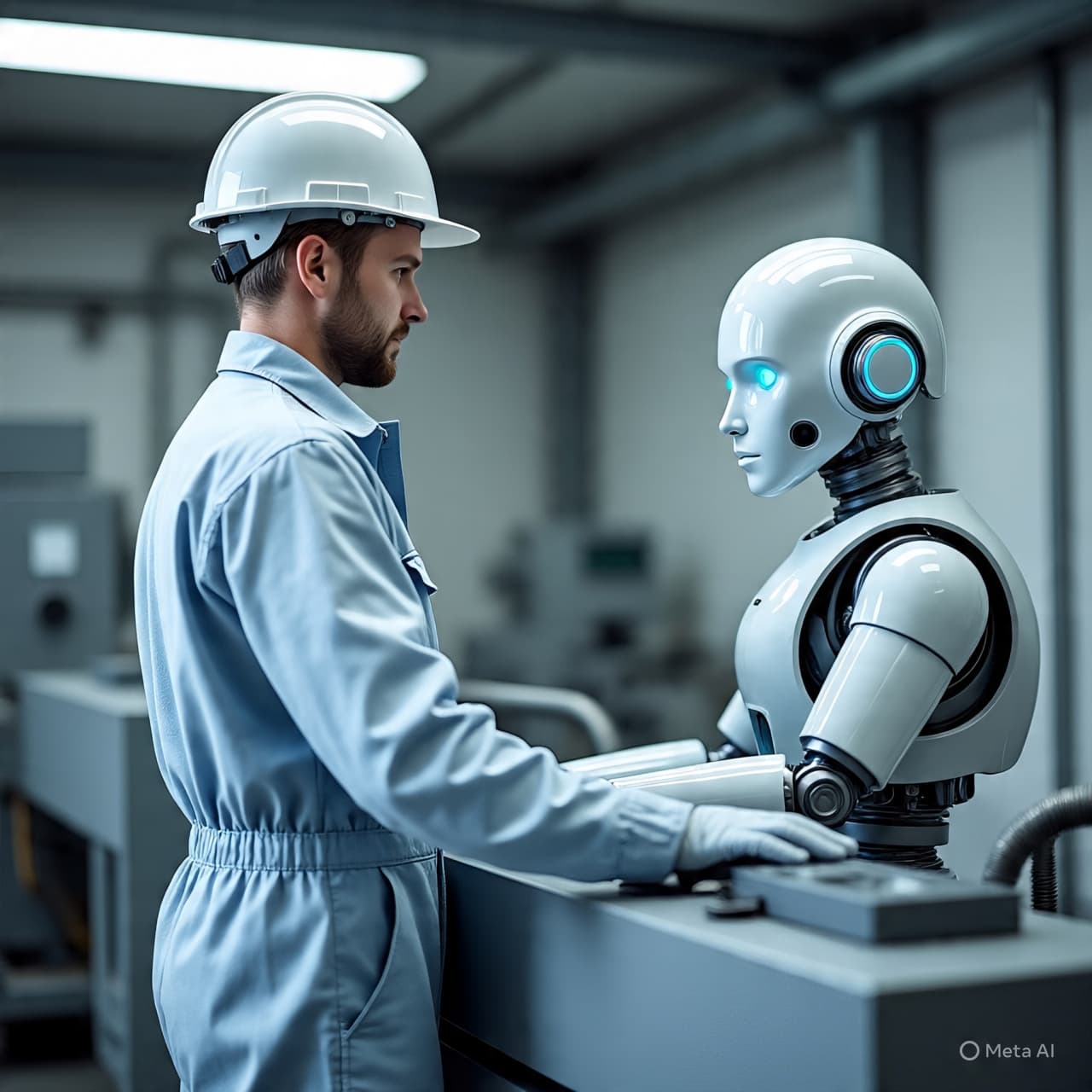
South Korea is pursuing humanoid robots as practical, restrained tools shaped by aging demographics and social integration, not spectacle or replacement.

Drones evolved from massive aircraft into insect-scale cyborgs as warfare, technology, and surveillance shifted toward stealth, proximity, and biology.

OJK described a constructive meeting with MSCI focusing on transparency, share disclosure, and free-float improvements. Both sides agreed to continue technical discussions.
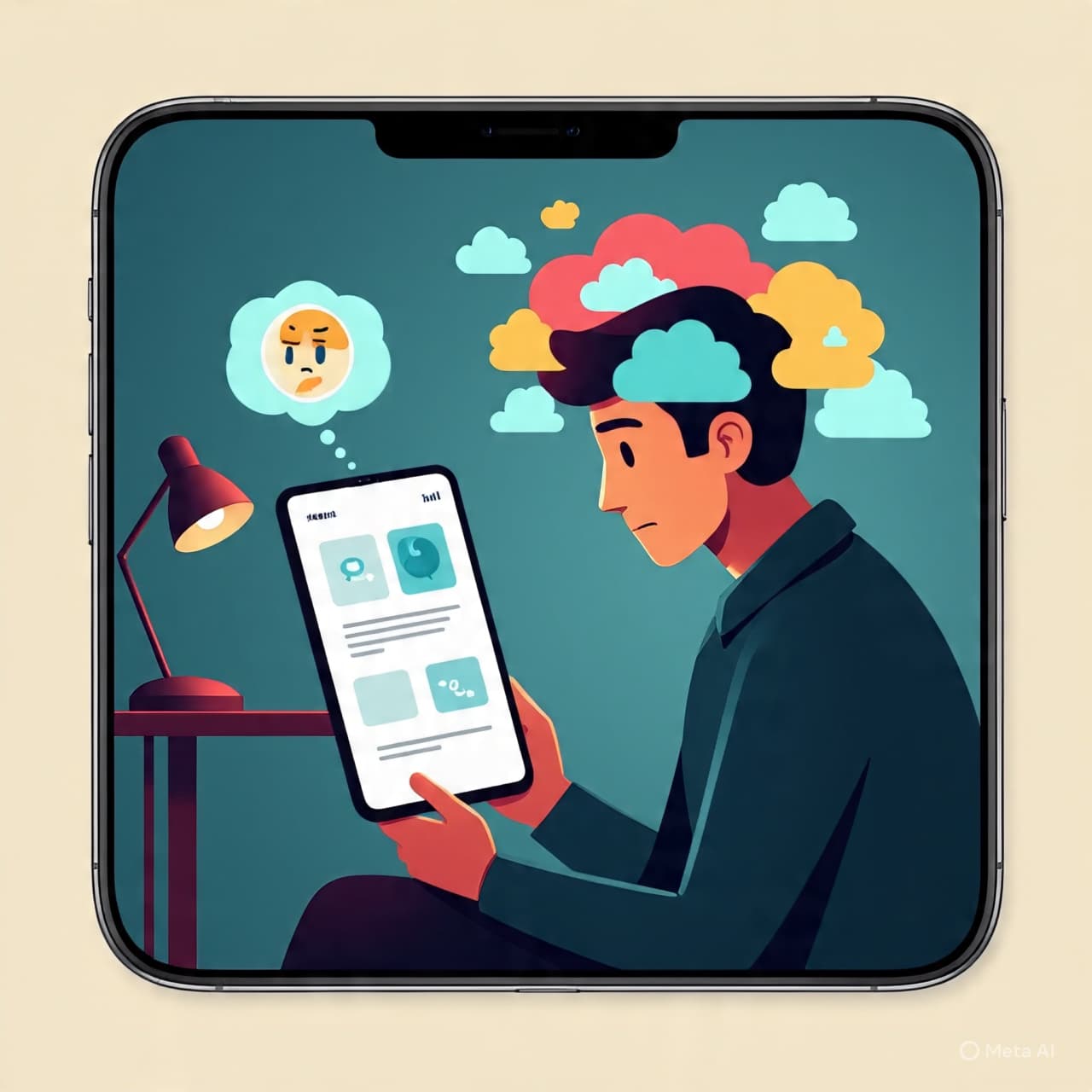
Prolonged AI interactions have been linked to amplified delusions in some vulnerable individuals. While not a clinical diagnosis, experts are investigating causes, treatments, safety designs, and broader mental health support.

Samsung confirms a defining Galaxy S26 Ultra feature, signaling a shift toward quieter, AI-driven intelligence and endurance woven into daily use rather than headline-grabbing spectacle.

Apple has seen several AI researchers and a senior Siri leader depart for Meta and Google DeepMind, reflecting fierce competition for talent and ongoing shifts in the AI landscape.

Study in Singapore finds notable rates of problematic gaming among young adults; experts suggest fostering social “third places” outside digital screens to support healthier connection.

Goddess of Victory: NIKKE announces a crossover event with anime Lycoris Recoil launching February 12, featuring playable anime characters, original story content, and blended visuals.

Perpetual Microsoft Office licenses offer one-time purchase access to core apps like Word, Excel, and PowerPoint as an alternative to ongoing Microsoft 365 subscription fees, with deals often below $100.

Samsung’s 2026 OLED TVs and Odyssey gaming monitors now feature NVIDIA G-SYNC Compatible certification for smoother, synchronized gaming visuals alongside vibrant OLED picture quality.

An affordable 24.5″ gaming monitor by Xiaomi, the Redmi G25 offers a 200 Hz refresh rate, 1 ms response, adaptive sync, and broad color support, blending smooth performance with budget-friendly pricing.
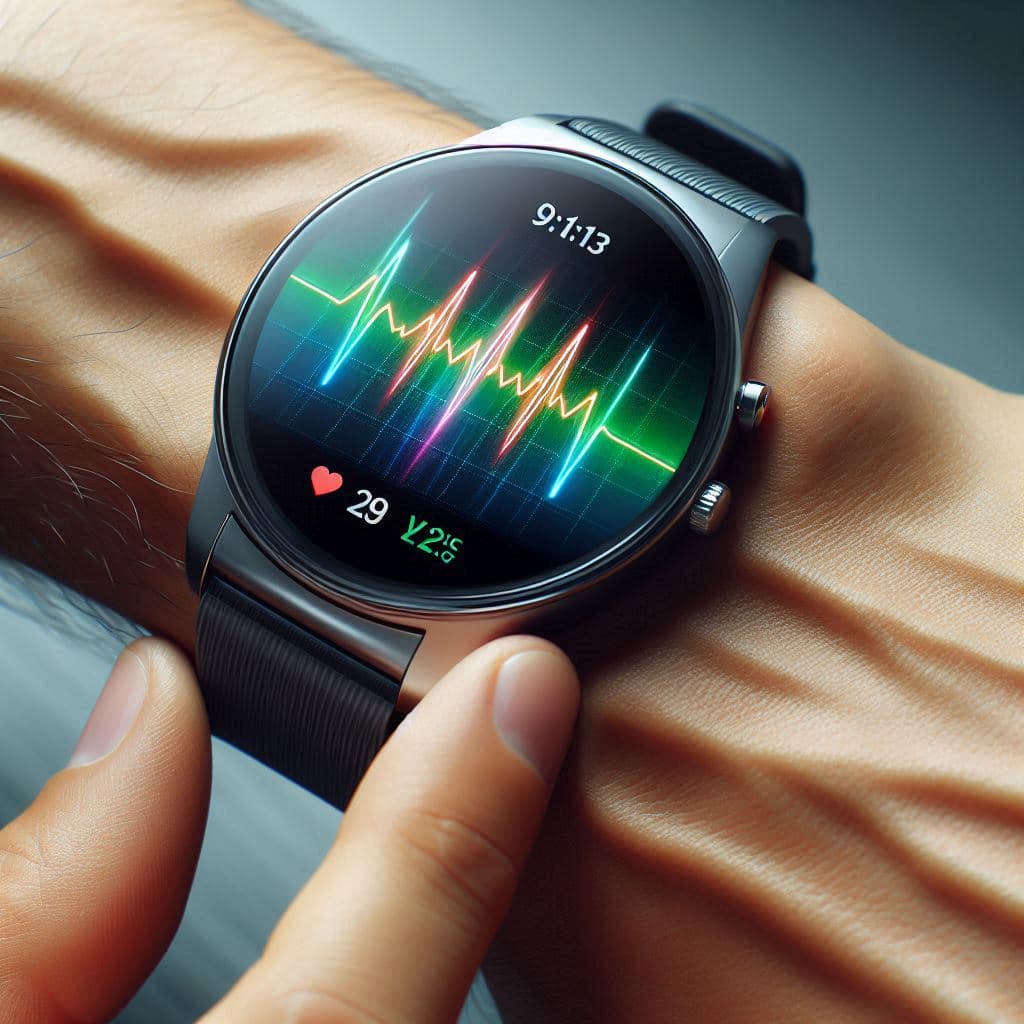
Smartwatches now offer ECG features that can detect certain heart rhythm irregularities, but experts emphasize they are screening tools, not diagnostic devices, and should support—not replace—medical care.

Uploading files to Google Drive from Android, iPhone, or laptop is a simple, consistent process that keeps documents, photos, and data accessible across devices with minimal effort.

Cybercriminals are increasingly using AI platforms to create more adaptive banking malware on Android, raising new security concerns while reinforcing the need for cautious app habits.
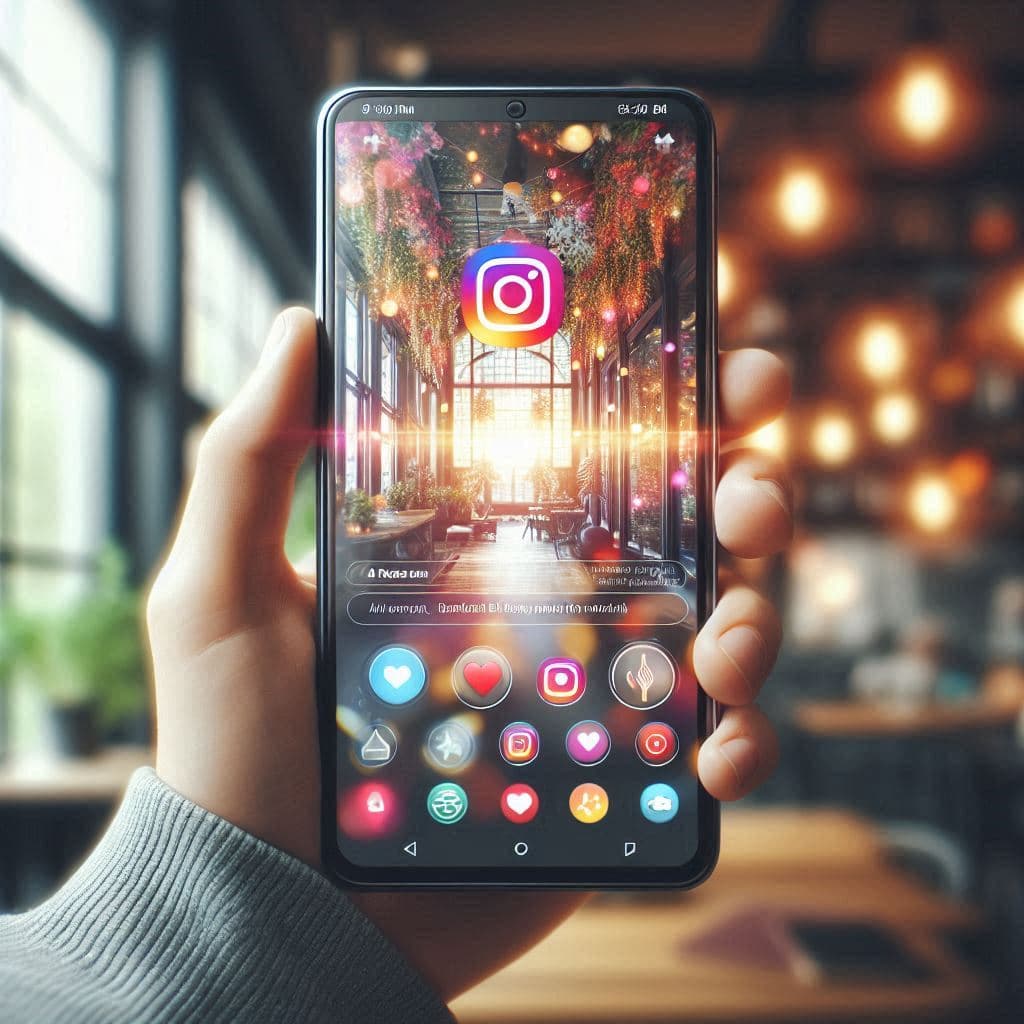
Instagram is developing a feature that lets users remove themselves from Close Friends lists, offering a quieter way to manage privacy and social comfort within shared content.
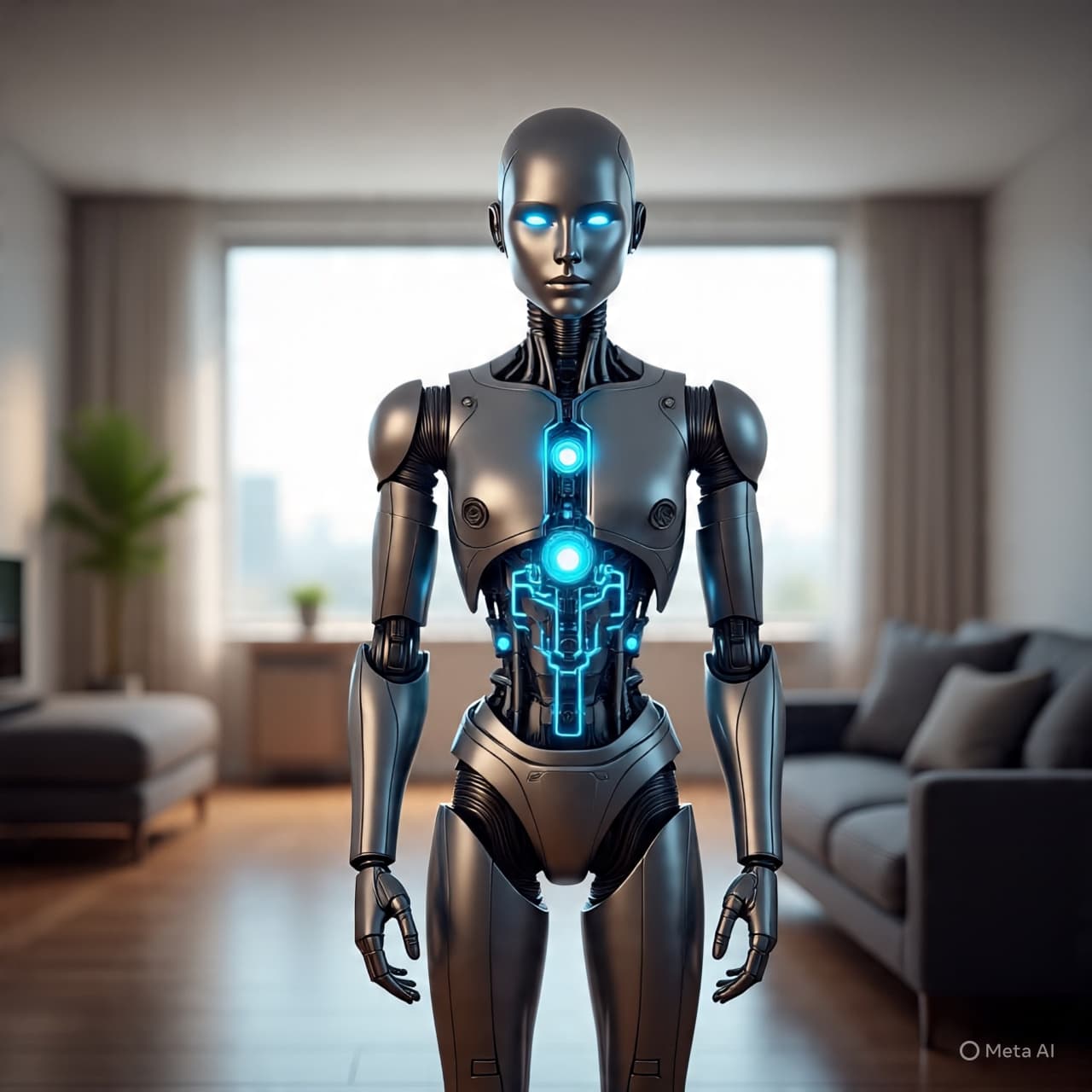
A new humanoid robot maker believes approachable design and transparency could ease public resistance to robots entering everyday home life.

NASA has begun a full practice countdown for its first crewed lunar mission in over 50 years, testing systems and teams ahead of a historic return to the Moon.

Gen Z users increasingly turn to AI for conversation, revealing a quieter form of loneliness shaped by constant connectivity and limited human presence.
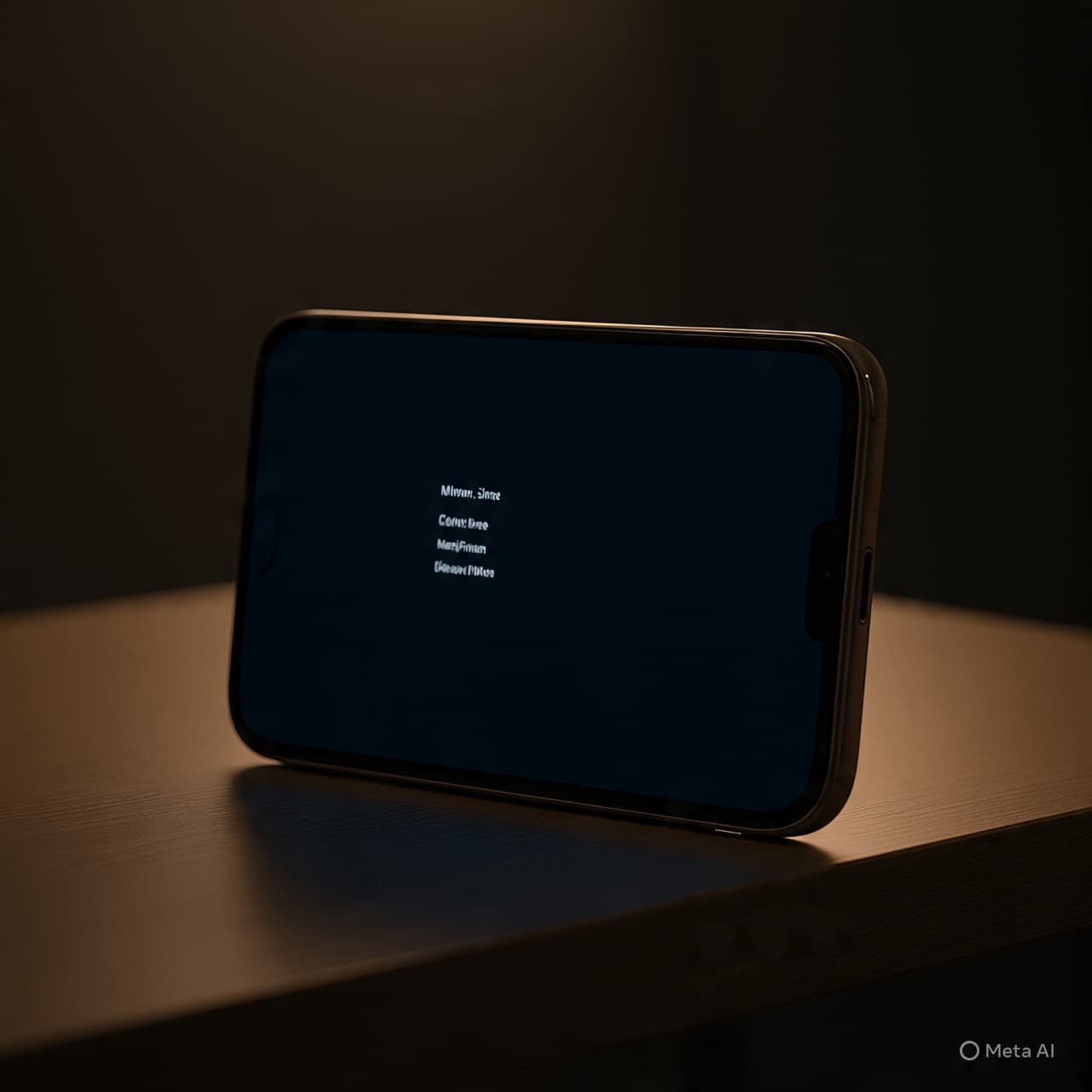
A viral Chinese app asks users “Are you dead?” if they go inactive, reflecting growing isolation among young people living alone and a desire to be noticed.