Listening to the Galaxy: How Radio Colors Reveal Hidden Stories of Stellar Life
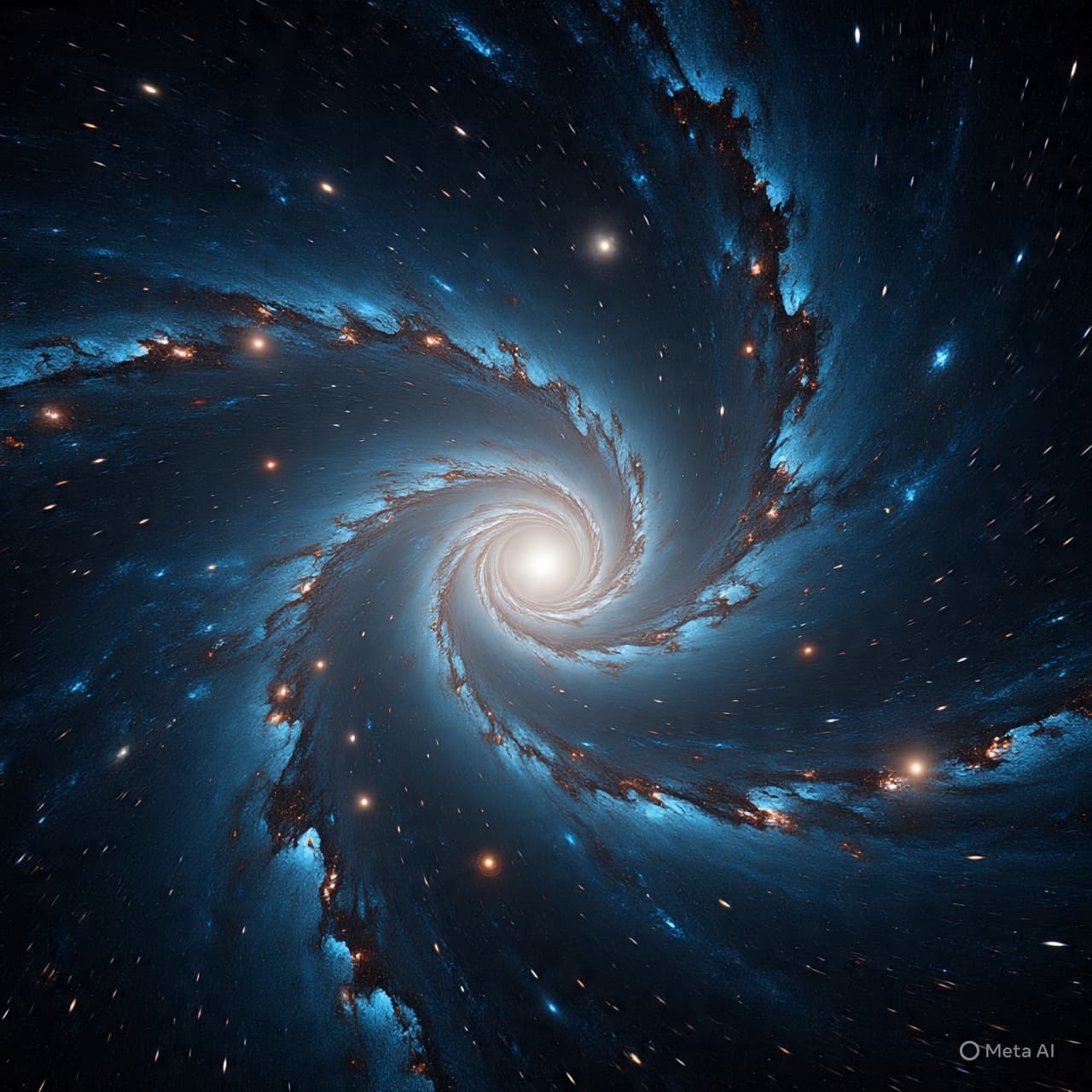
Astronomers unveiled the largest low-frequency radio color image of the Milky Way, revealing star birth, stellar death, and hidden structures unseen in visible light.

Astronomers unveiled the largest low-frequency radio color image of the Milky Way, revealing star birth, stellar death, and hidden structures unseen in visible light.

On Saturday, January 24, Asteroid 16 Psyche completes its shift from retrograde to forward motion near Aldebaran in Taurus, offering a subtle but captivating night-sky event.

In non-cardiac critically ill patients, elevated high-sensitivity cardiac troponin T and NT-proBNP levels are linked to increased 30-day mortality, especially when both biomarkers are high.

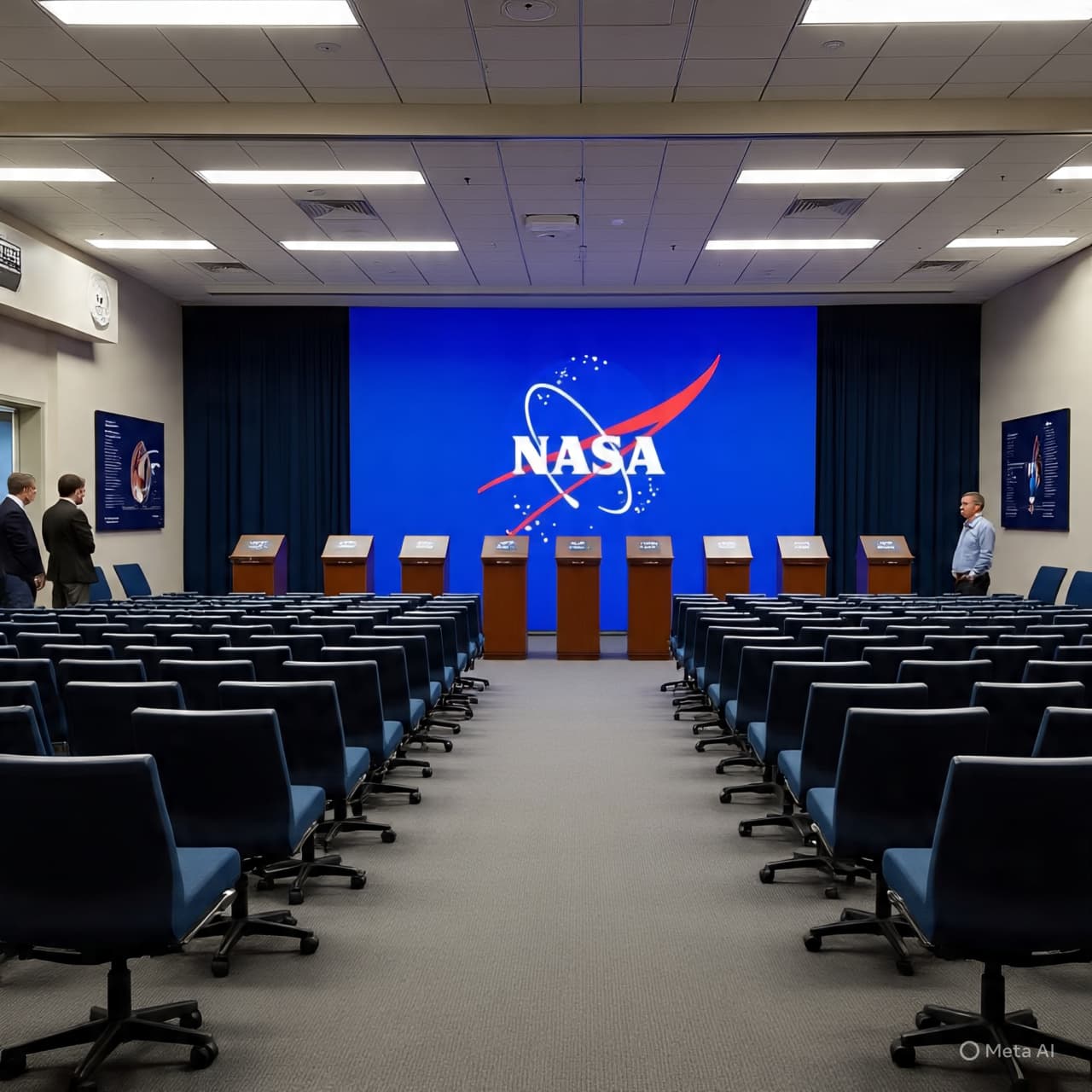
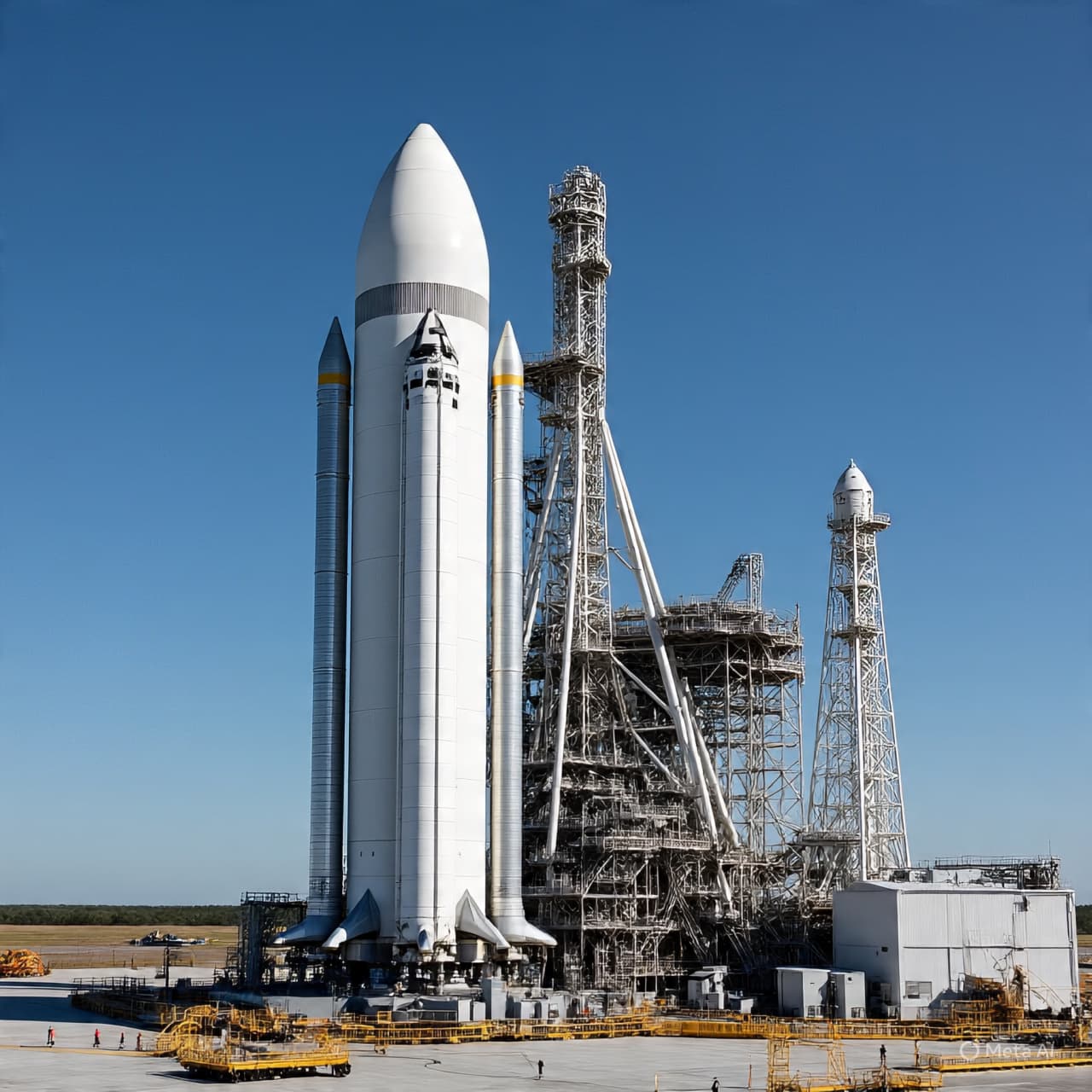
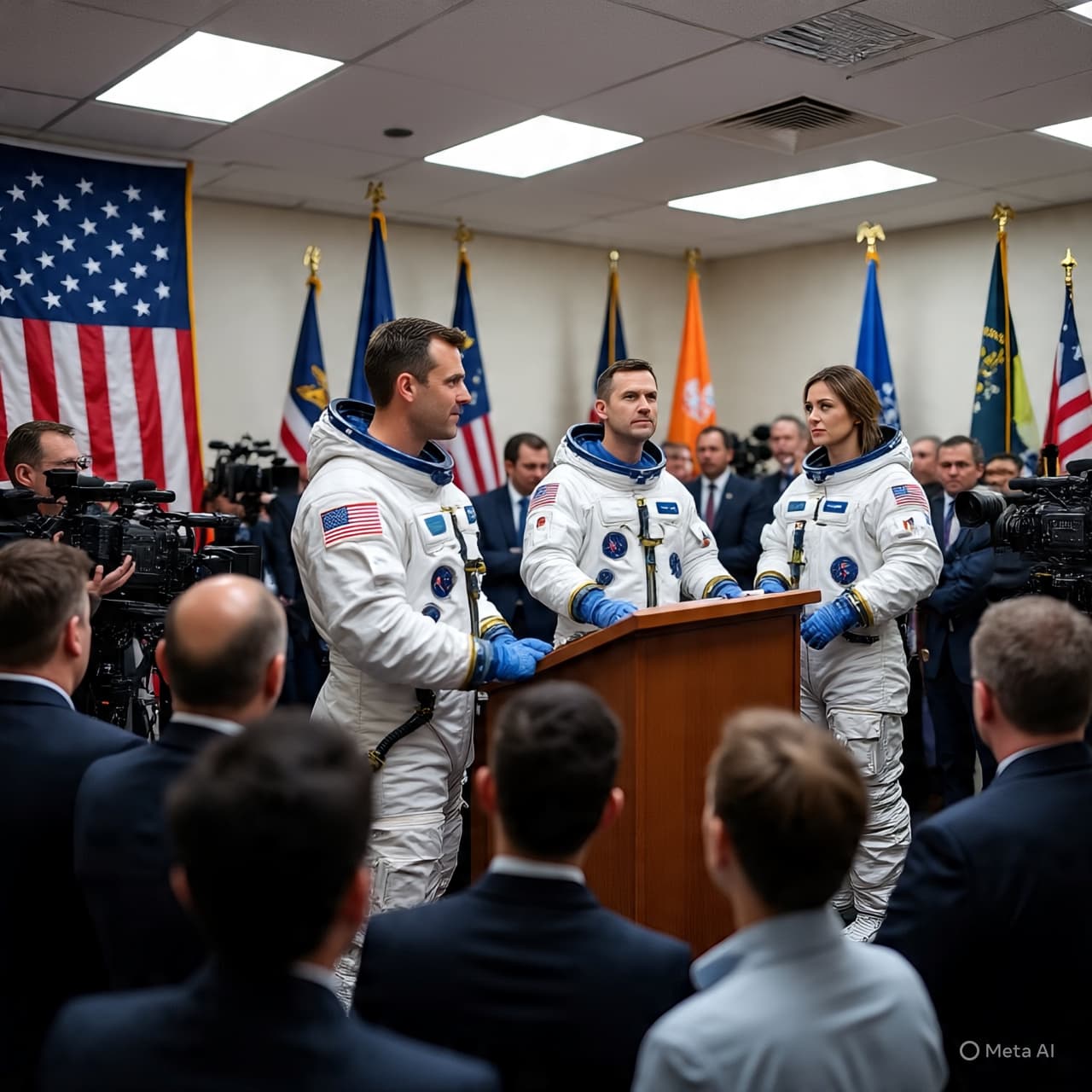
NASA has scheduled two briefings on Jan. 30 for the upcoming SpaceX Crew‑12 mission to the ISS, featuring mission leadership and the astronauts before their departure.

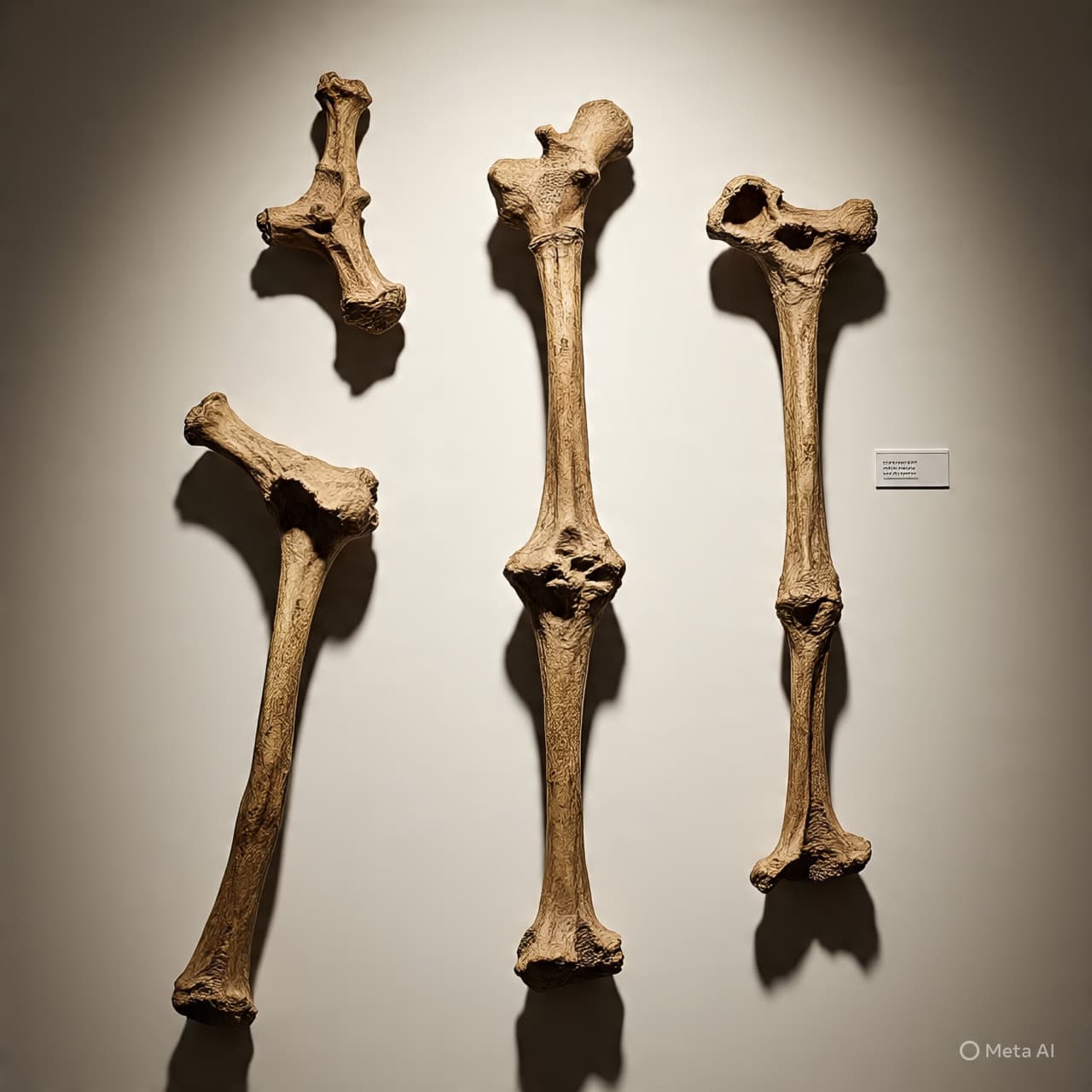
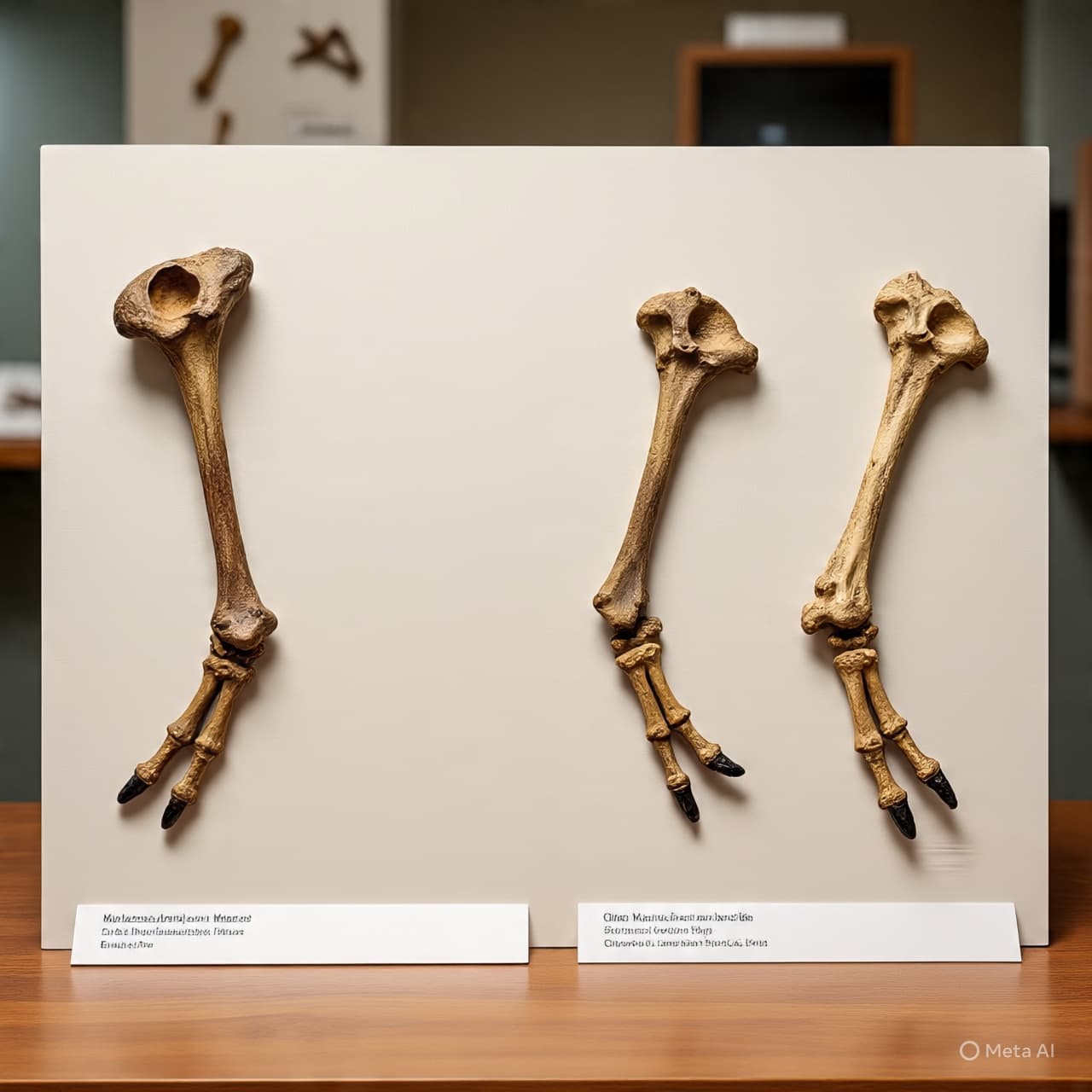
Fossil evidence suggests that some giant Pleistocene kangaroos could execute short hops despite their size, challenging earlier assumptions about their locomotion.
New research reveals Greenland sharks can live centuries, retain vision in dim depths, and challenge old ideas about their biology — unlocking enduring ocean mysteries.

Seismic sensors tuned to earthquake signals can also detect sonic booms from falling space junk, offering a new way to trace uncontrolled reentries and improve tracking accuracy.

New research shows 3D-printed textured surfaces can direct unwanted gas particles away from quantum sensors, improving vacuum pumping efficiency and measurement precision.

Researchers developed a camera-based technology that measures cardiopulmonary coupling without physical sensors, using video analysis to track subtle facial and torso signals tied to heart and breath rhythms.

An AI-driven method is enabling the precise design of highly efficient custom enzymes, accelerating research and opening new paths in medicine, sustainability, and industrial biology.

NASA has scheduled two media briefings on Jan. 30 ahead of the SpaceX Crew-12 mission to the International Space Station, featuring mission leadership and the four-member crew.

Astronomers have detected rare isotopes of carbon and oxygen in nearby red dwarf stars, offering new insights into how these vital elements formed and evolved across cosmic history.

Research shows that giant kangaroos weighing up to 250kg may have been capable of hopping in short bursts, based on fossil bone and tendon analysis.

NASA has chosen 34 global volunteers to track the Artemis II lunar mission, adding earthly voices to humanity’s return toward the Moon’s orbit.

A new study shows earthquake sensors can detect sonic booms from falling space debris, improving tracking accuracy during atmospheric reentry.

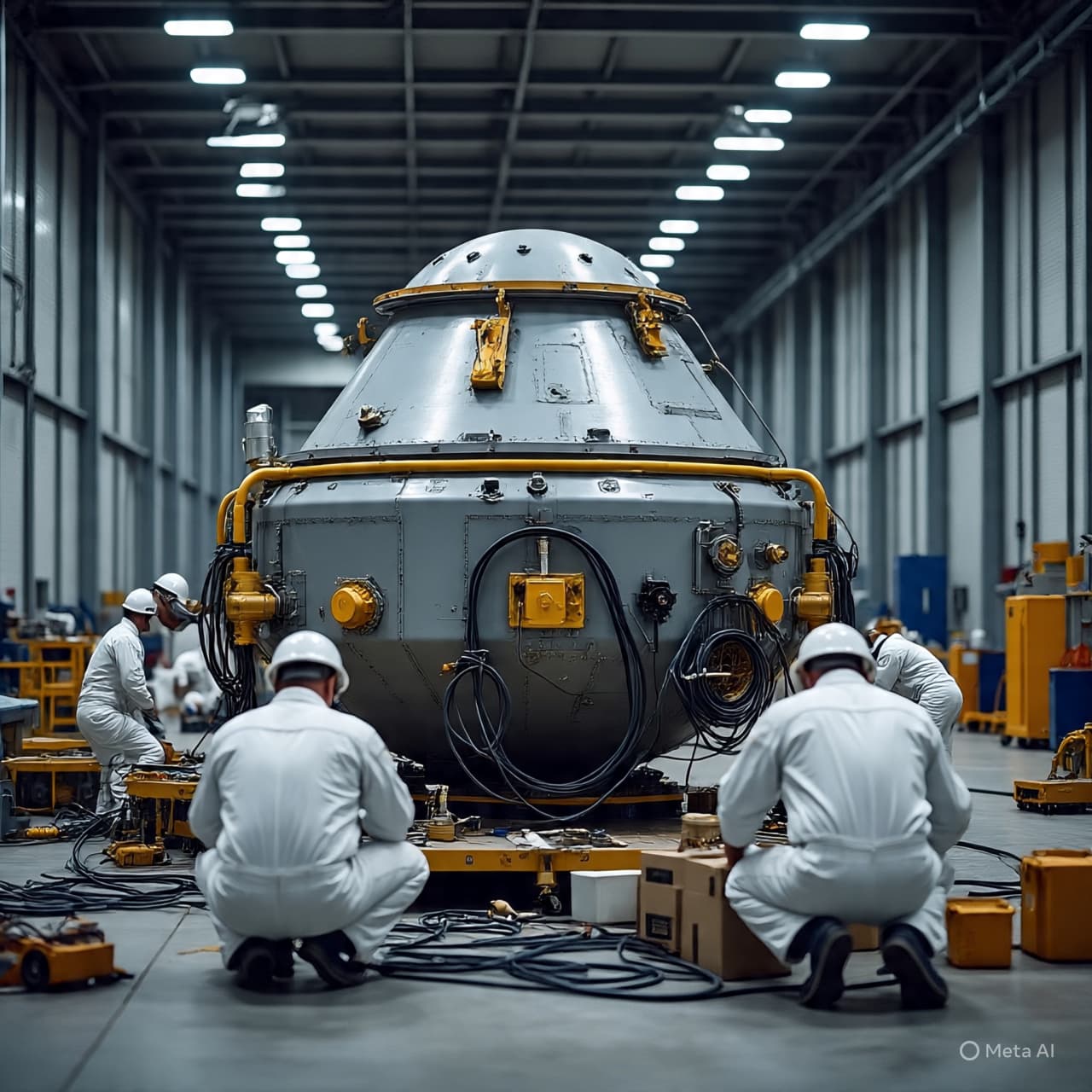
The Artemis II crew begins quarantine in Houston, preparing with careful reflection and procedure for humanity’s first crewed lunar mission in decades.

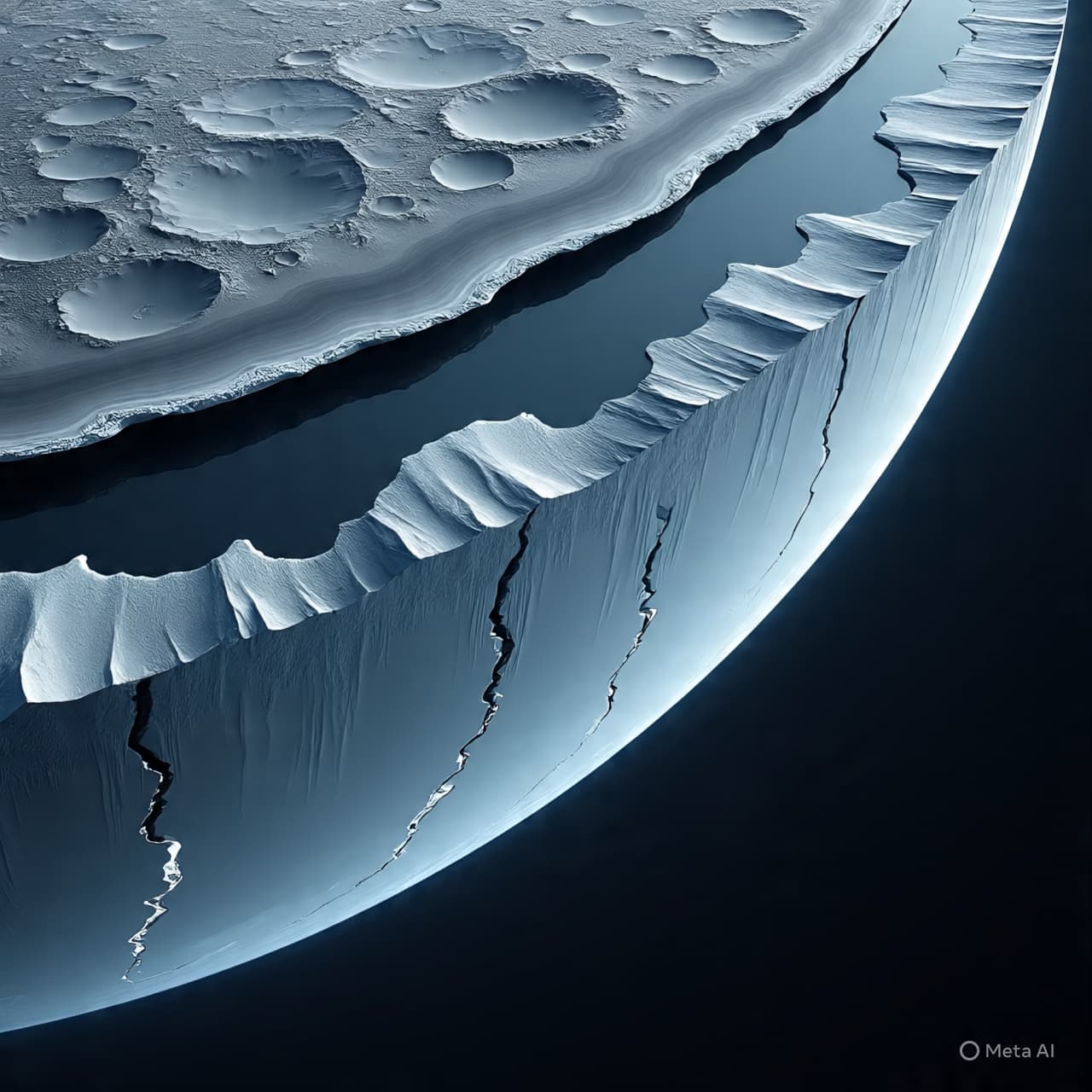
Salt-rich ice on Europa may sink through its icy shell, delivering nutrients to the hidden ocean below, offering potential conditions for life in the distant moon’s depths.

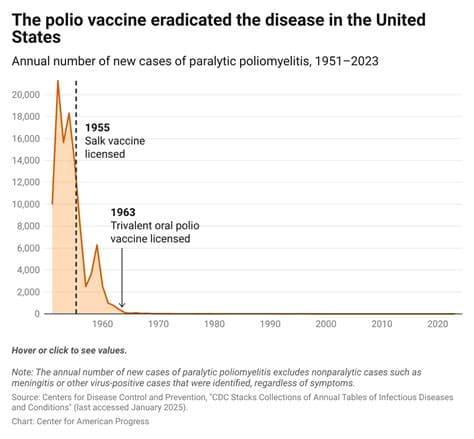
The chair of a vaccine advisory panel has stirred controversy by suggesting that polio and other vaccinations should be optional, challenging decades of scientific consensus on public health. This statement raises significant concerns among health professionals and advocates.

NASA astronauts share reflections on the first medical evacuation from the ISS, highlighting the role of a portable ultrasound and a collective commitment to crew well‑being.

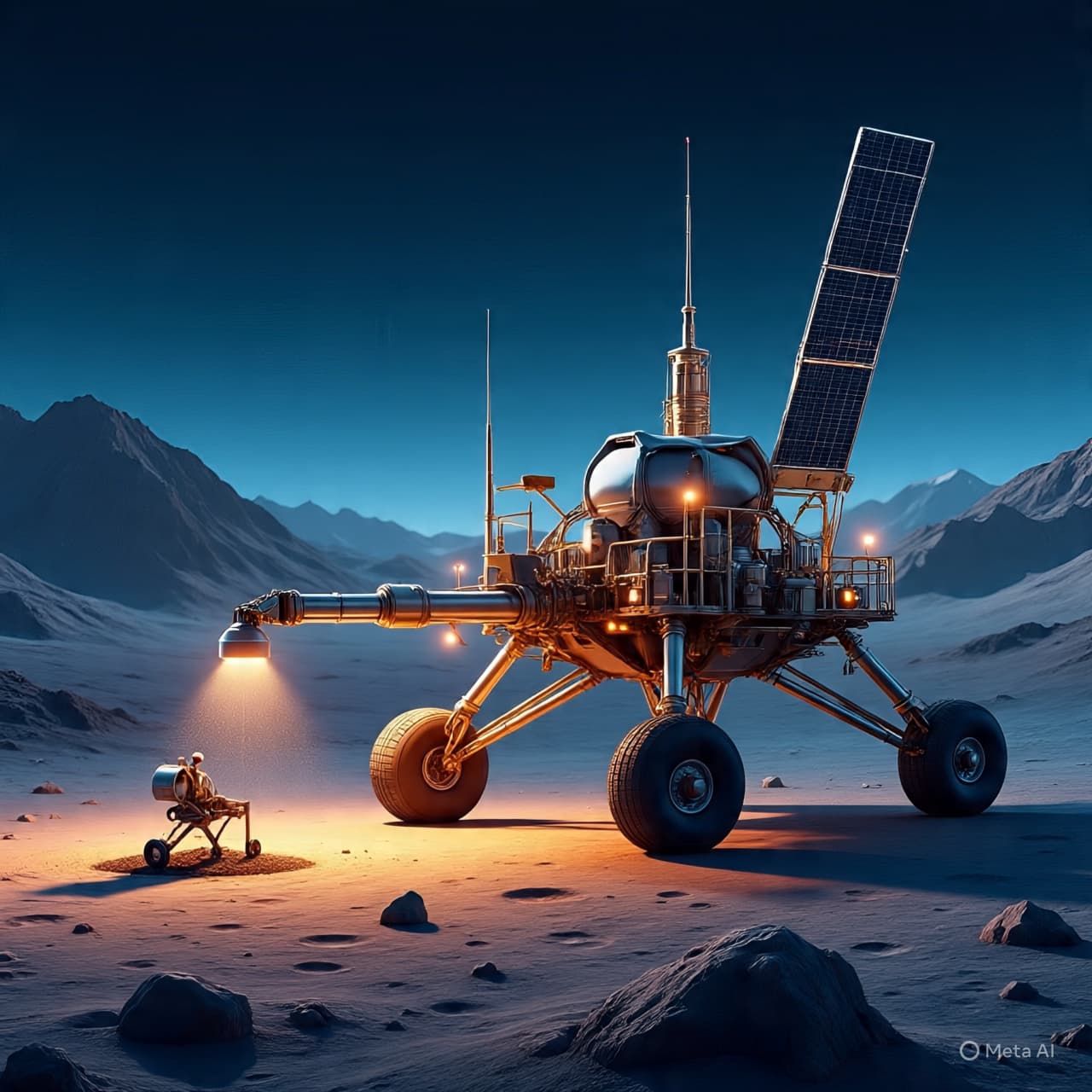
Analysis of Chang’e-6 lunar samples found naturally occurring single-walled carbon nanotubes on the Moon’s far side, a structure once thought possible only in controlled laboratory settings.

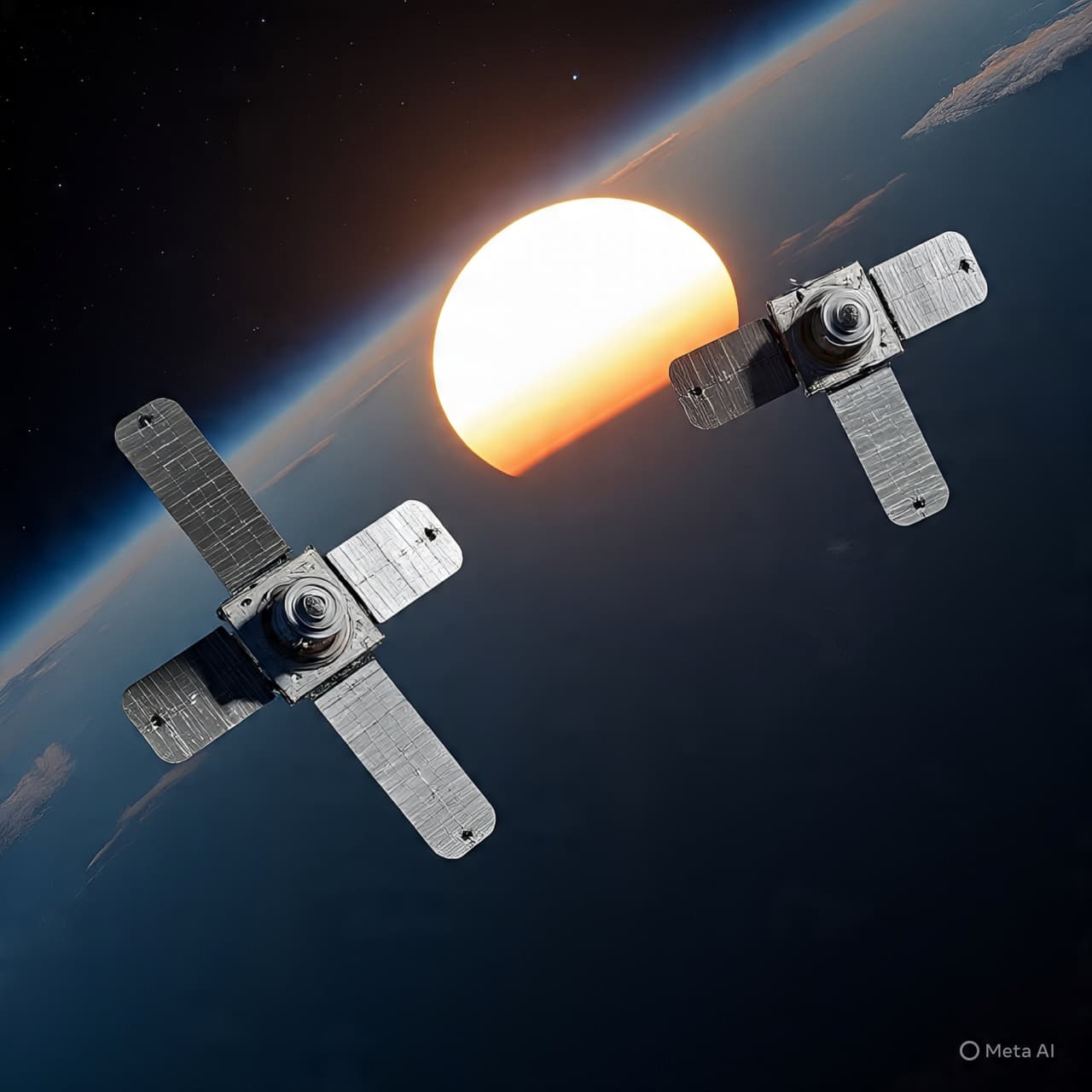
ESA’s Proba-3 mission uses twin satellites to create artificial solar eclipses, providing extended views of the Sun’s corona and new insights into why it is so hot and how solar wind and eruptions form.

McMaster University and the Hakai Institute received a $2.3 million award to lead an ancient DNA study on past ecosystem responses to climate change, aiming to inform future predictions.

Scientists have found that deep-ocean hydrothermal systems can naturally produce key chemical building blocks through mineral-driven reactions, supporting the idea they helped make life on Earth possible.

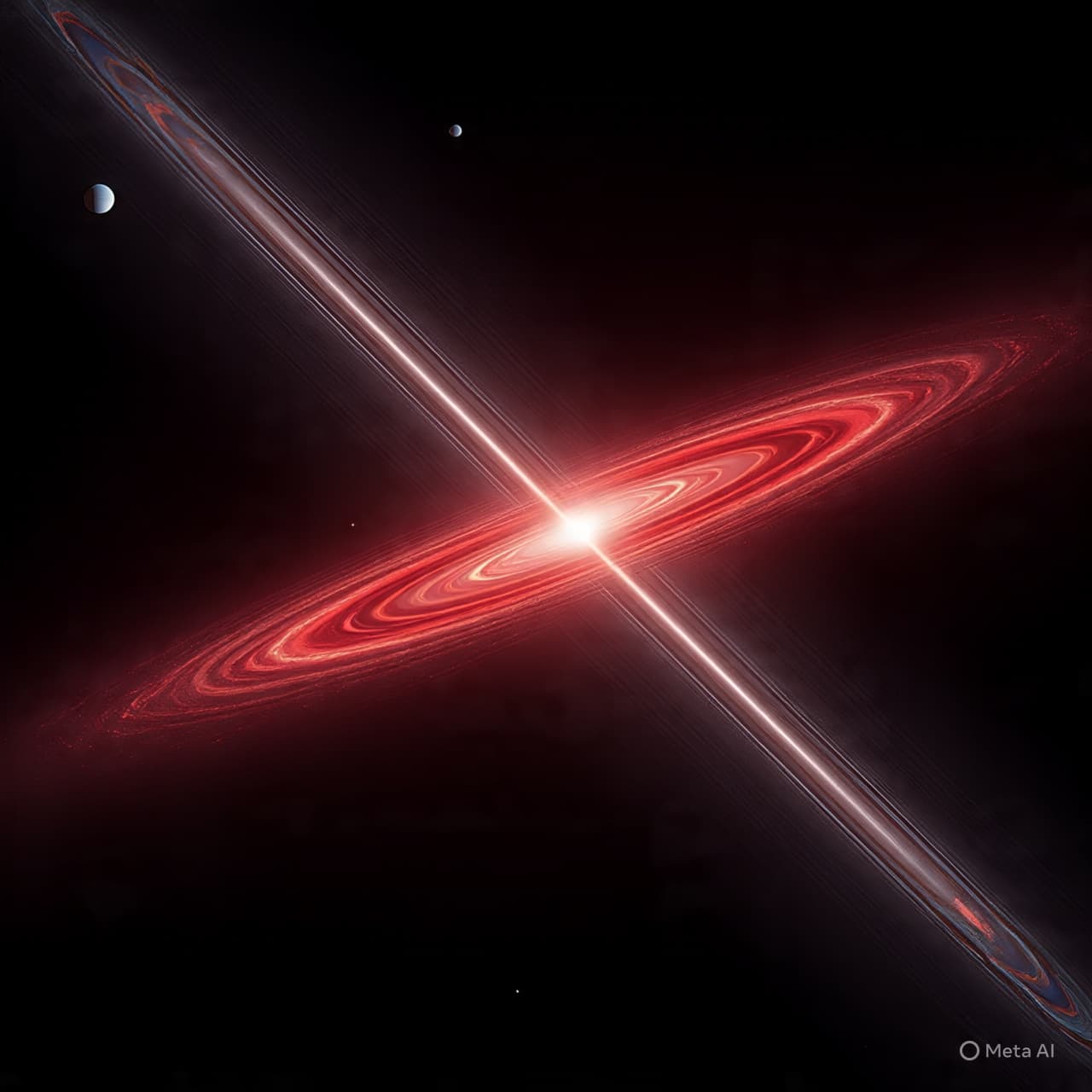
New evidence suggests the Milky Way’s central black hole erupted surprisingly recently, leaving large radiation structures that challenge the idea of a long-dormant galactic core.