There is a moment in the kitchen of discovery when something ordinary—milk, cream, yogurt—meets the extraordinary patience of science. At Massey University, researchers have approached this moment with meticulous observation, patience, and a touch of creativity. Their work has produced a plant-based protein that closely replicates the texture of dairy, moving beyond flavor imitation into the tactile experience that defines cheese, yogurt, and milk products.
The innovation stems from a deep understanding of both plant biochemistry and food structuring. By carefully manipulating protein networks from legumes and oilseeds, the scientists were able to create a texture that mimics dairy’s characteristic creaminess and mouthfeel. Unlike traditional plant proteins, which often carry fibrous or chalky notes, this formulation flows, stretches, and emulsifies in ways remarkably similar to cow’s milk products. The result is a bridge between the plant world and the culinary expectations of dairy consumers.
Texture is only part of the story. The research also emphasizes functional versatility, enabling the protein to be used in everything from whipped toppings to cheese alternatives, with thermal stability sufficient for cooking and baking. This positions the development not merely as a novelty but as a viable ingredient for industrial-scale food production, where consistency and predictability are paramount.
The breakthrough resonates beyond the lab. New Zealand, known globally for its dairy exports, faces both environmental and dietary shifts that encourage plant-based alternatives. By producing a protein that closely emulates dairy texture without animal inputs, scientists at Massey University are charting a course for more sustainable, consumer-friendly food options that do not sacrifice the sensory qualities people expect.
In practical terms, the next steps will involve taste trials, shelf-life studies, and scaling production to see how this protein behaves in real-world manufacturing. Researchers are optimistic that it could redefine plant-based offerings in both domestic and international markets, providing a familiar experience while reducing ecological footprint.
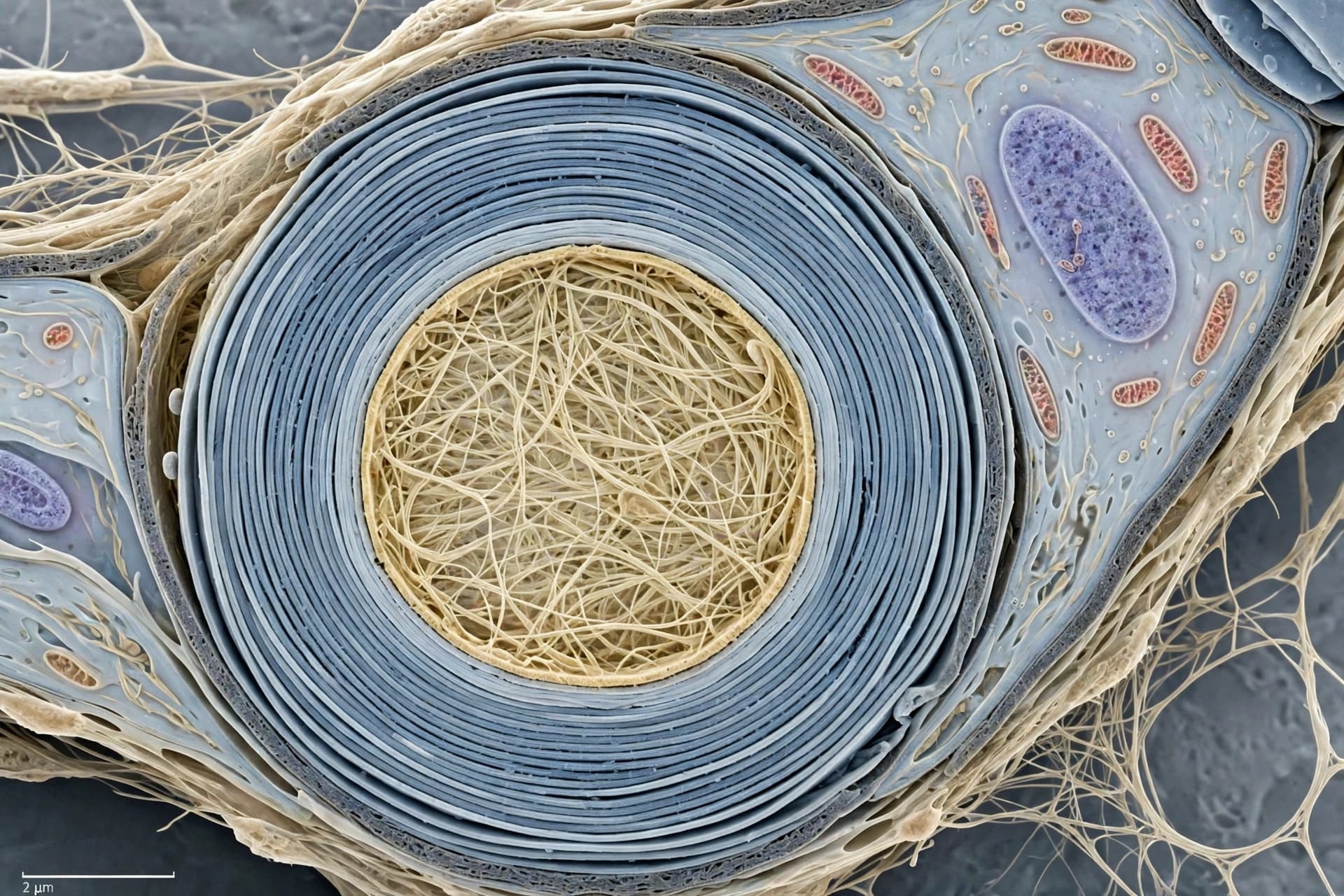
AI Image Disclaimer Visuals are AI-generated and serve as conceptual representations of plant-based protein development, not actual laboratory photographs.
Source Check (credible coverage available): Massey University, AgResearch New Zealand, New Zealand Institute for Plant & Food Research, Food Chemistry Journal, RNZ
Published by Banx Network. This article is part of the Banx decentralized media programme, powered by the BXE token on the XRP Ledger.