A Slow Fire in the Sky: How a Comet’s Brightening Draws Eyes Upward
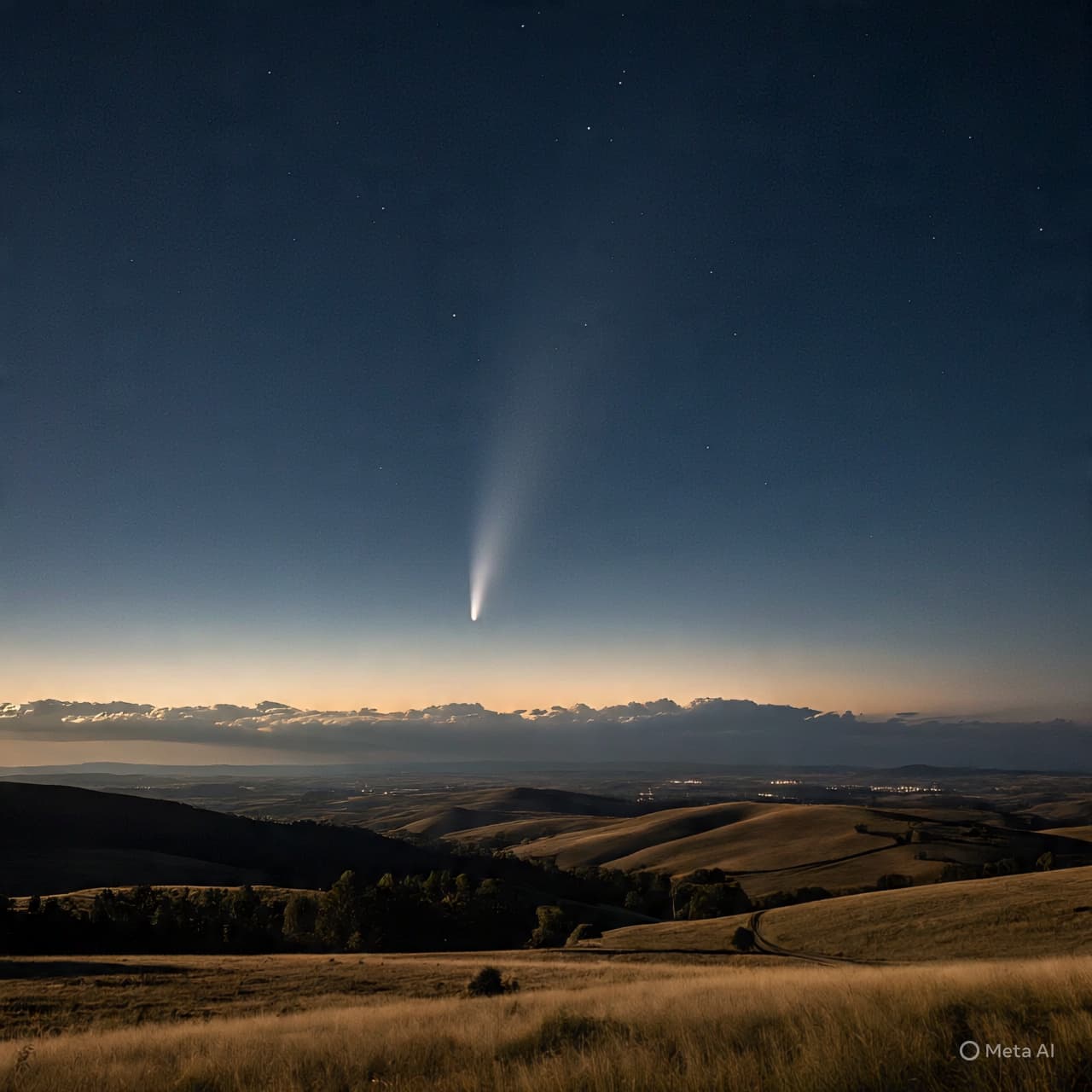
Comet Pan-STARRS has brightened due to solar interaction, making it easier to observe with basic equipment. Its visibility offers a rare but subtle opportunity for skywatchers.

Comet Pan-STARRS has brightened due to solar interaction, making it easier to observe with basic equipment. Its visibility offers a rare but subtle opportunity for skywatchers.

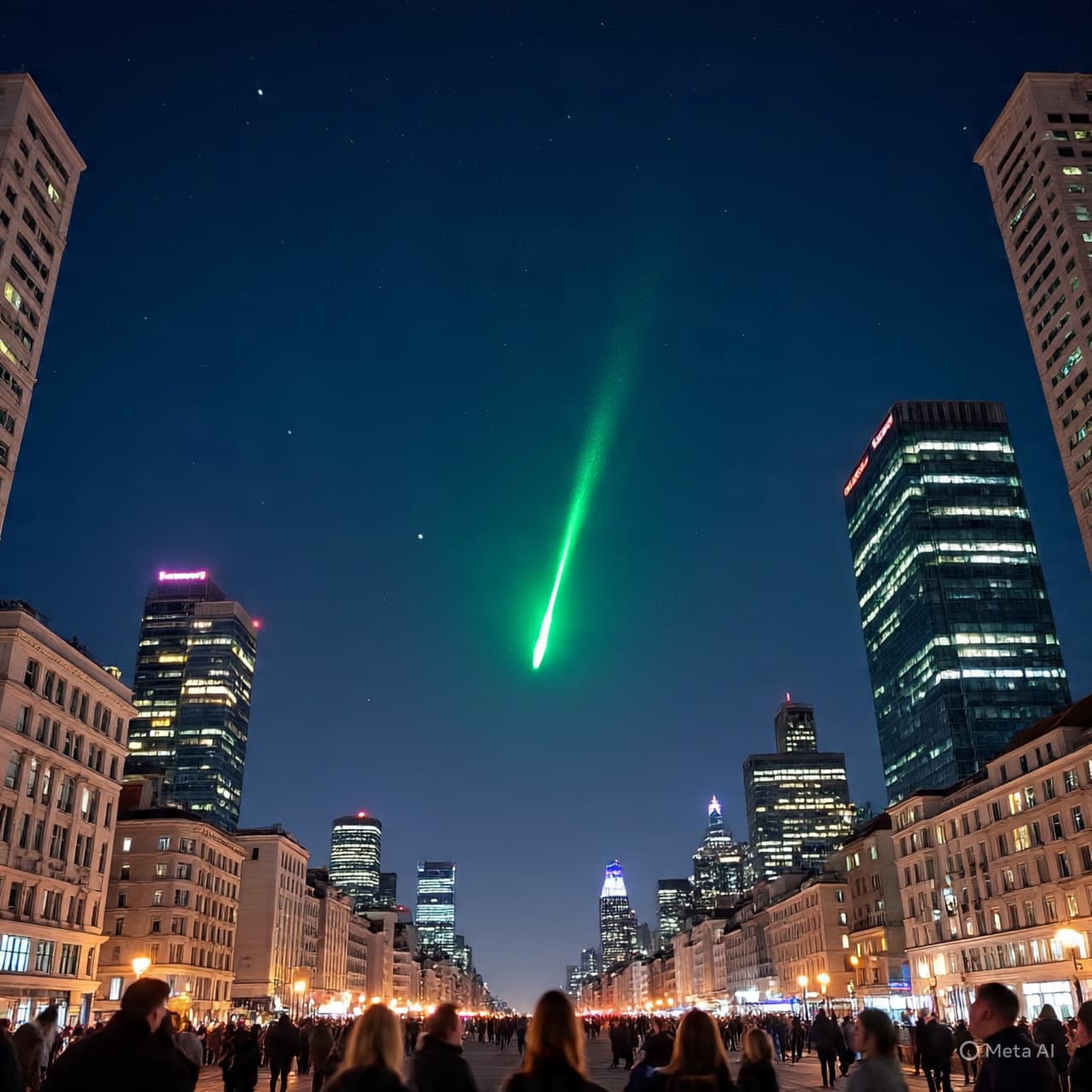
A green fireball seen over Britain was identified as a meteor. Initially mistaken for fireworks, the event highlighted public curiosity about rare but natural atmospheric phenomena.

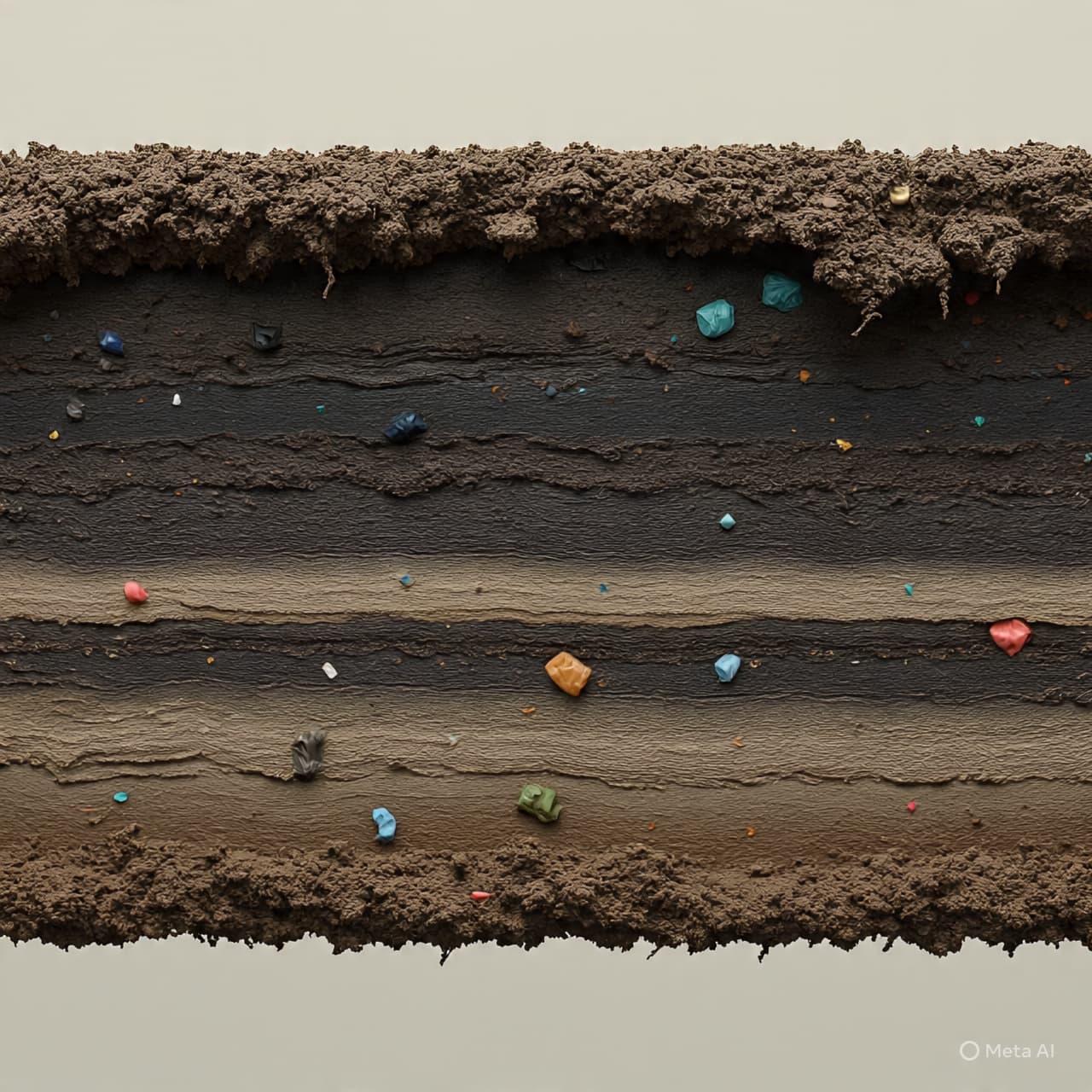
Environmental scientists in Serbia have discovered that Danube wetlands act as highly efficient natural filters, trapping microplastics in silt and preventing them from reaching the open sea.

Australian medical researchers have linked brief episodes of hospital delirium to permanent cognitive decline, identifying sudden confusion as a critical warning sign for future health risks.

Seismologists have discovered dozens of previously unknown fault lines beneath Auckland, providing a more accurate map of the city's geological foundation and enhancing future earthquake resilience.

Scientists warn of a hidden ocean feedback loop that could accelerate climate change by reducing carbon absorption and altering marine ecosystems, potentially intensifying global warming.

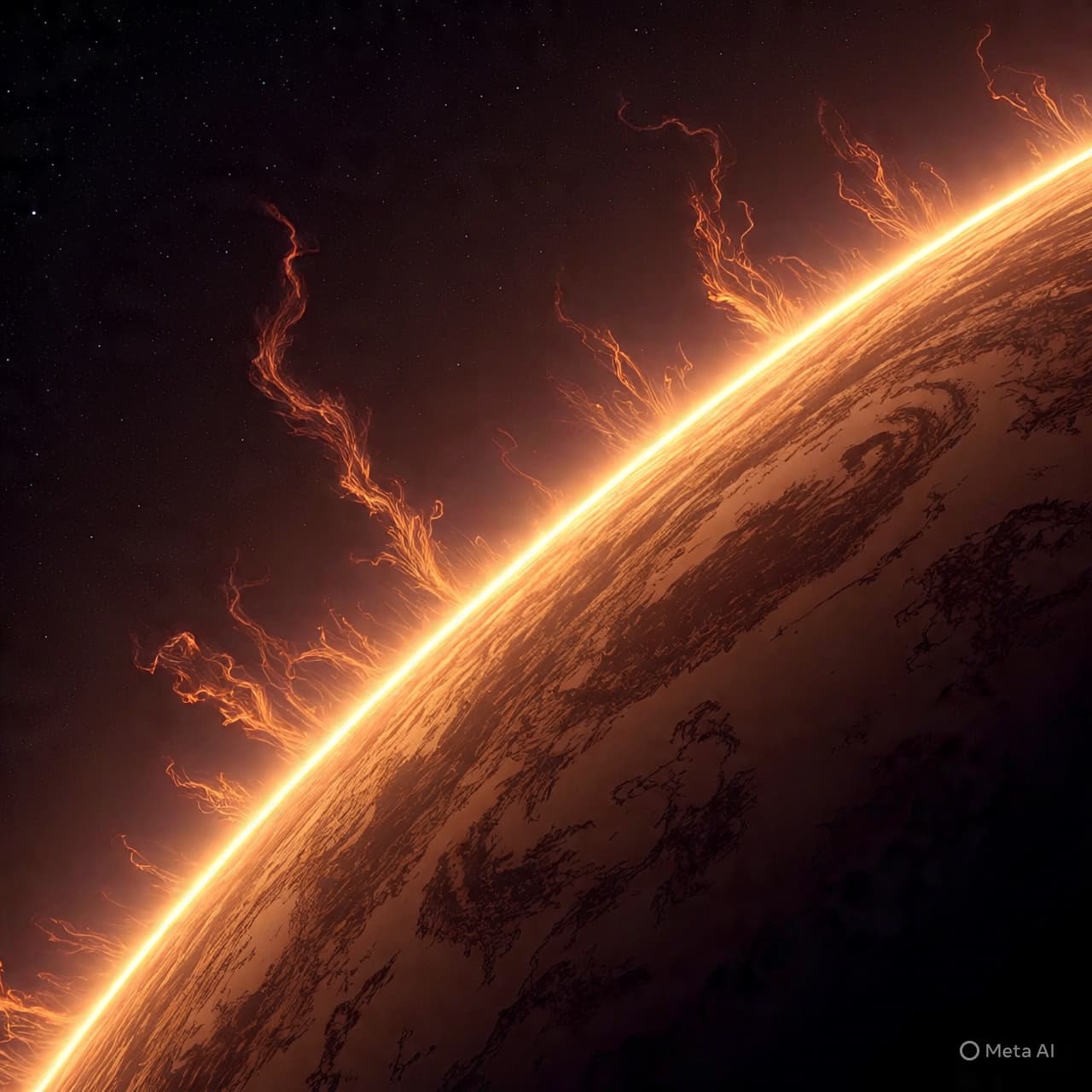
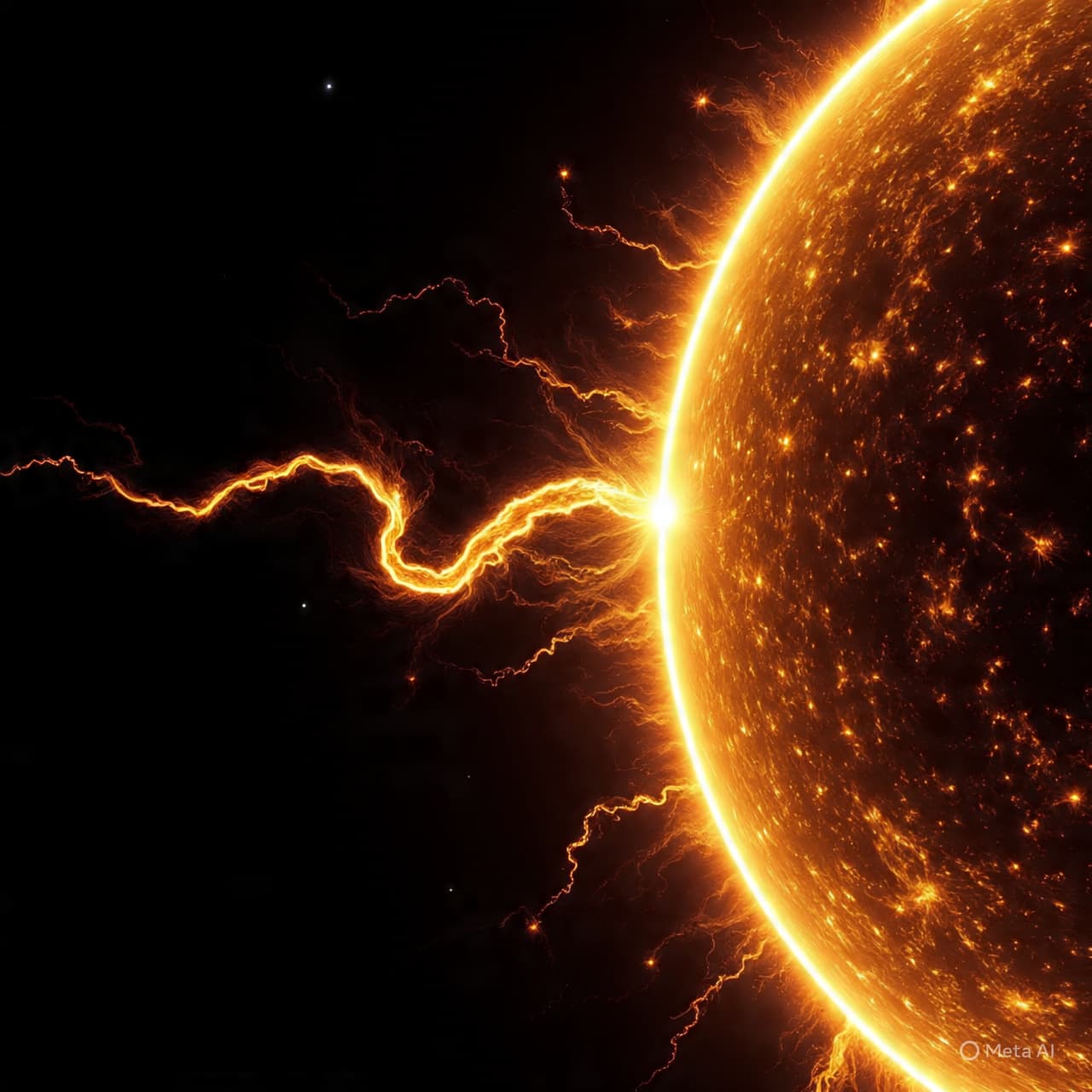
Scientists detected a solar flare with unusual spectral behavior, challenging current models of solar activity and offering new insights into magnetic energy and space weather dynamics.

Researchers in New Zealand are using the copper-red light of lunar eclipses to measure Earth's atmospheric purity, treating the moon as a mirror for global air quality and dust levels.

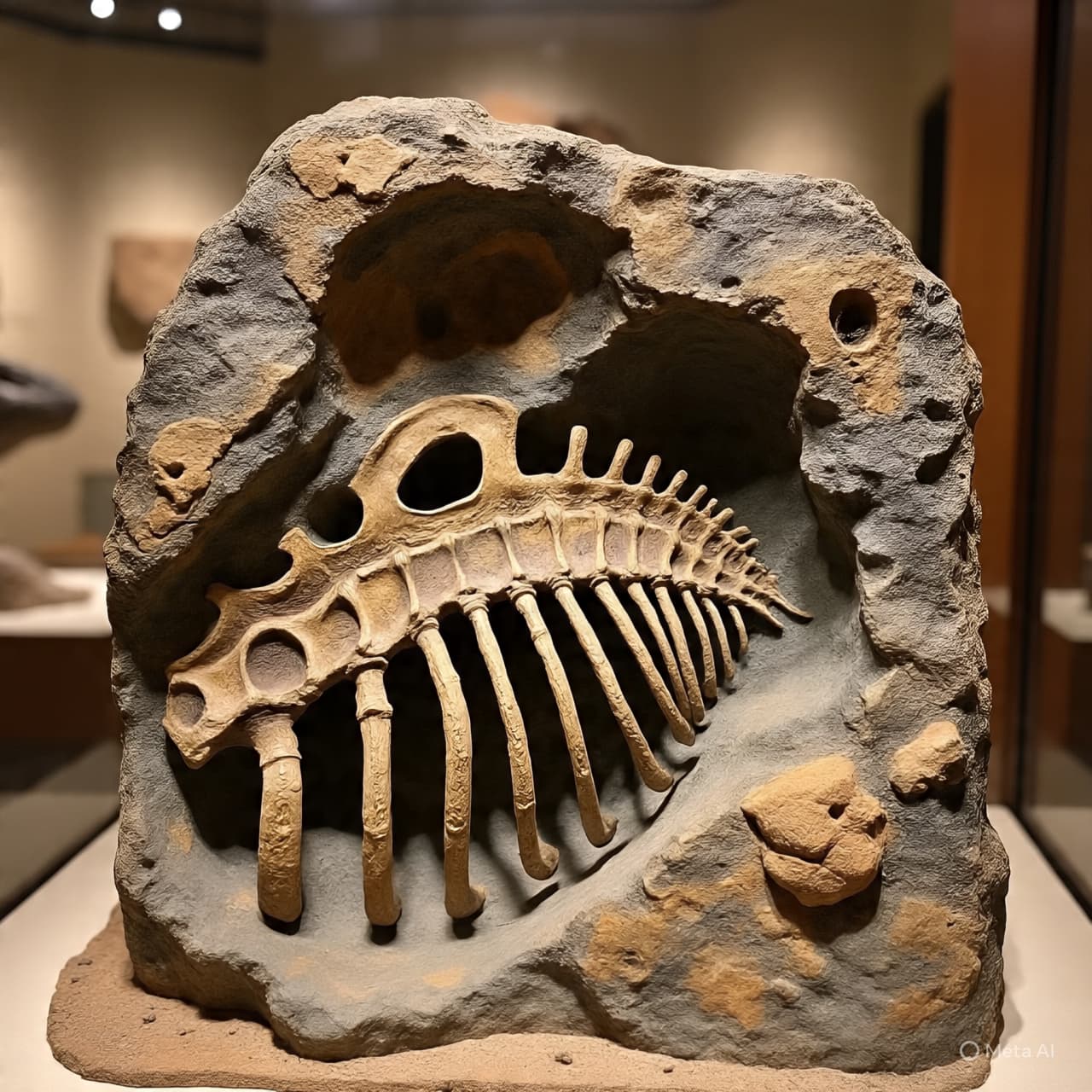
A 300-million-year-old fossil reveals how early land animals adapted to breathe air, offering new insight into the gradual evolution of respiratory systems and life’s transition from water to land.

Researchers in Belgrade are using ancient DNA to reconstruct the 6,000-year-old diet of the Vinča culture, uncovering the origins of settled agriculture and community life in Europe.

Astronomers in Belgrade are monitoring powerful X-class solar flares to understand how celestial storms disrupt satellite signals and affect the Earth’s upper atmosphere.

Australian researchers are using leafy vegetables as biological filters to extract toxic heavy metals from soil, offering a natural and cost-effective method for environmental reclamation.

Scientists in Belgrade are using high-resolution thermal mapping to identify urban heat islands, providing critical data for planners to cool the city through green architecture and design.

Belgrade medical scientists are trialing AI-driven robotic arms to enhance surgical precision and reduce recovery times, marking a new era of collaborative, minimally invasive healthcare.

Geologists in New Zealand used CT scans on soil samples to uncover five prehistoric magnitude 7 earthquakes, revealing a hidden history of massive seismic events in the Waikato region.

Skeletal analysis reveals a 16,000-year-old bond between humans and dogs, highlighting a shared history of survival and emotional connection that began in the Paleolithic era.

Belgrade mathematicians have developed new models for four-dimensional geometry, offering a deeper theoretical understanding of how gravitational waves propagate through the fabric of the universe.

Researchers in New Zealand have identified specific genetic variants that allow some individuals to appear eight years younger, revealing a biological blueprint that dictates the pace of aging.

Amateur astronomer Chris Stockdale earns national recognition after contributing to the discovery of over 100 exoplanets, highlighting the role of citizen science.

Scientists propose that dark matter may exist in two forms, potentially explaining inconsistencies in cosmic observations and offering new directions for research.

Physicists discovered a way to reverse quantum scrambling, suggesting that information thought lost in quantum systems can be recovered under controlled conditions, with implications for computing and physics.

A 307-million-year-old fossil suggests herbivorous animals may have evolved earlier than previously believed, offering new insight into ancient ecosystems and evolutionary history.

Hubble observations reveal unexpected activity in a spiral galaxy, including star formation and possible black hole influence, offering new insights into galactic evolution.

Tidally locked exoplanets, with permanent day and night sides, may still support habitable zones through atmospheric heat redistribution, reshaping our understanding of life beyond Earth.