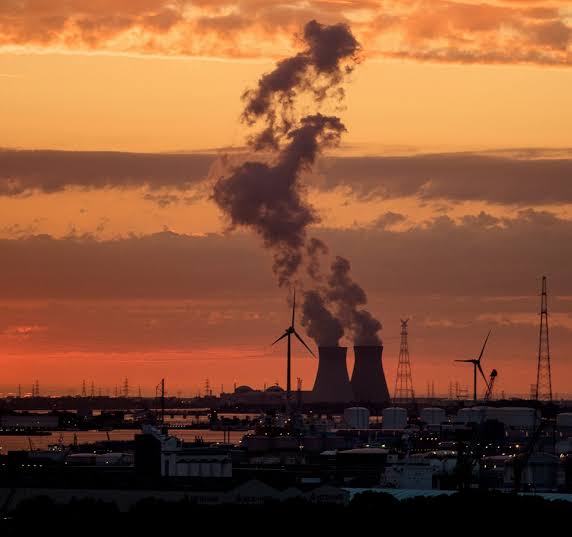
The ocean has long been described as Earth’s silent guardian, absorbing heat and carbon in ways that soften the sharpest edges of climate change. Its vastness gives the impression of stability, a steady rhythm beneath the unpredictability of weather and time. Yet beneath this calm surface, new research suggests there may be processes quietly amplifying the very changes it once helped contain.
Scientists have identified a potential hidden feedback loop within ocean systems that could accelerate global warming. Feedback loops, in climate science, refer to processes that either amplify or dampen environmental changes. In this case, the loop appears to reinforce warming trends rather than mitigate them.
The mechanism involves the interaction between ocean temperature, carbon absorption, and biological activity. As ocean waters warm, their ability to absorb carbon dioxide decreases. This reduction leaves more greenhouse gases in the atmosphere, which in turn leads to further warming—a cycle that feeds itself.
Compounding this effect is the response of marine ecosystems. Warmer temperatures can alter phytoplankton populations, microscopic organisms that play a crucial role in carbon sequestration. A decline in these populations could further reduce the ocean’s capacity to capture carbon, intensifying the feedback loop.
Researchers emphasize that this process is not entirely new but has been underestimated in its potential impact. Advances in modeling and data collection have allowed scientists to observe interactions that were previously difficult to quantify.
The implications are significant. If the feedback loop operates at scale, it could accelerate the pace of climate change beyond current projections. This would affect not only global temperatures but also weather patterns, sea levels, and ecosystem stability.
Despite the concerning nature of the findings, scientists approach the subject with measured caution. Climate systems are inherently complex, and further research is needed to determine the extent and variability of this feedback loop. Not all regions of the ocean may respond in the same way.
There is also a broader perspective to consider. The discovery highlights the interconnectedness of Earth’s systems, where changes in one domain ripple across others. It underscores the importance of comprehensive climate models that account for both visible and hidden processes.
For policymakers and environmental planners, such insights are crucial. They inform strategies aimed at mitigation and adaptation, helping societies prepare for a range of possible futures.
In the end, the ocean remains a central figure in the climate story—both a buffer and, potentially, an amplifier. Understanding its hidden dynamics is not just a scientific endeavor but a necessary step in navigating the challenges ahead.
AI Image Disclaimer Visuals are created with AI tools and are not real photographs.
Source Check (Credible Media): Nature Climate Change The Guardian (Environment) NOAA IPCC Reports Scientific American
Published by Banx Network. This article is part of the Banx decentralized media programme, powered by the BXE token on the XRP Ledger.