Before the Journey Begins, What Stories Does the Rocket Already Hold?
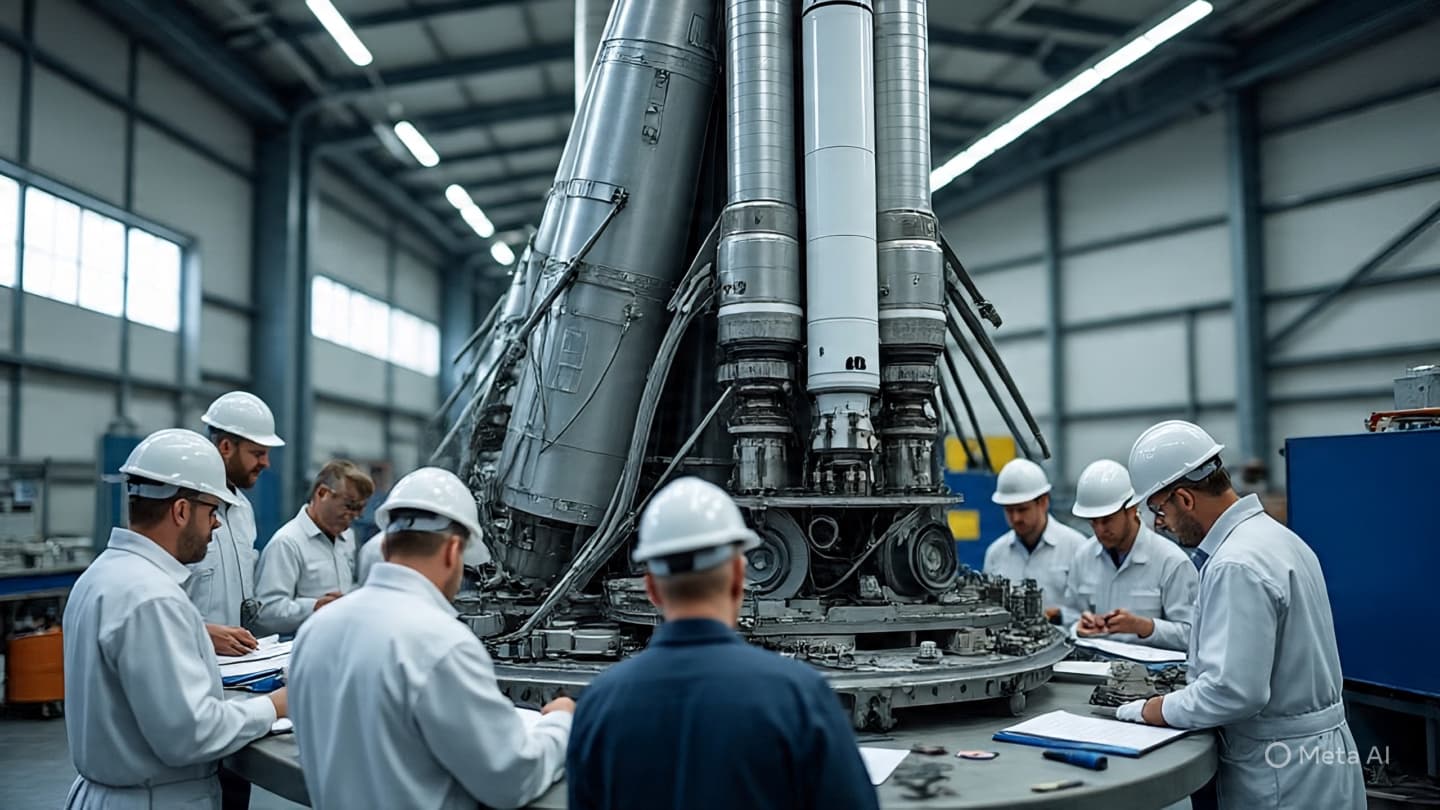
NASA prepares for Artemis III with a rocket stage rollout event, highlighting progress toward returning humans to the Moon and advancing future space exploration.

NASA prepares for Artemis III with a rocket stage rollout event, highlighting progress toward returning humans to the Moon and advancing future space exploration.

A massive colony of 5.6 million bees was discovered beneath a New York cemetery, revealing unexpected urban biodiversity and raising new questions about coexistence.

Tiny ants in Arizona exhibit cleaning behavior inside larger ants’ mandibles, revealing a rare cooperative relationship that may help maintain colony health and survival.

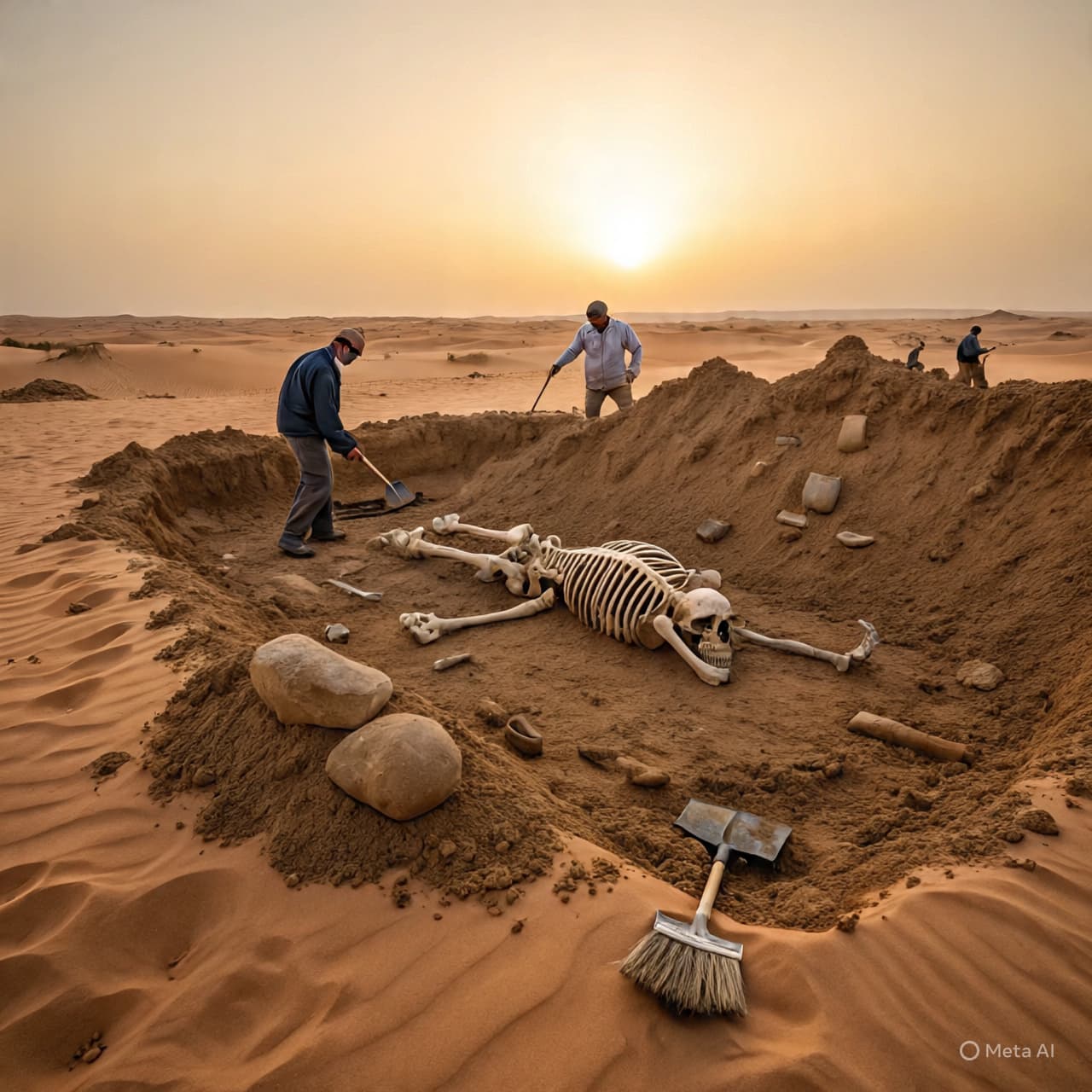
Ancient Sahara skeletons reveal DNA from a lost human lineage, reshaping understanding of early populations and highlighting a previously unknown “ghost” ancestry.

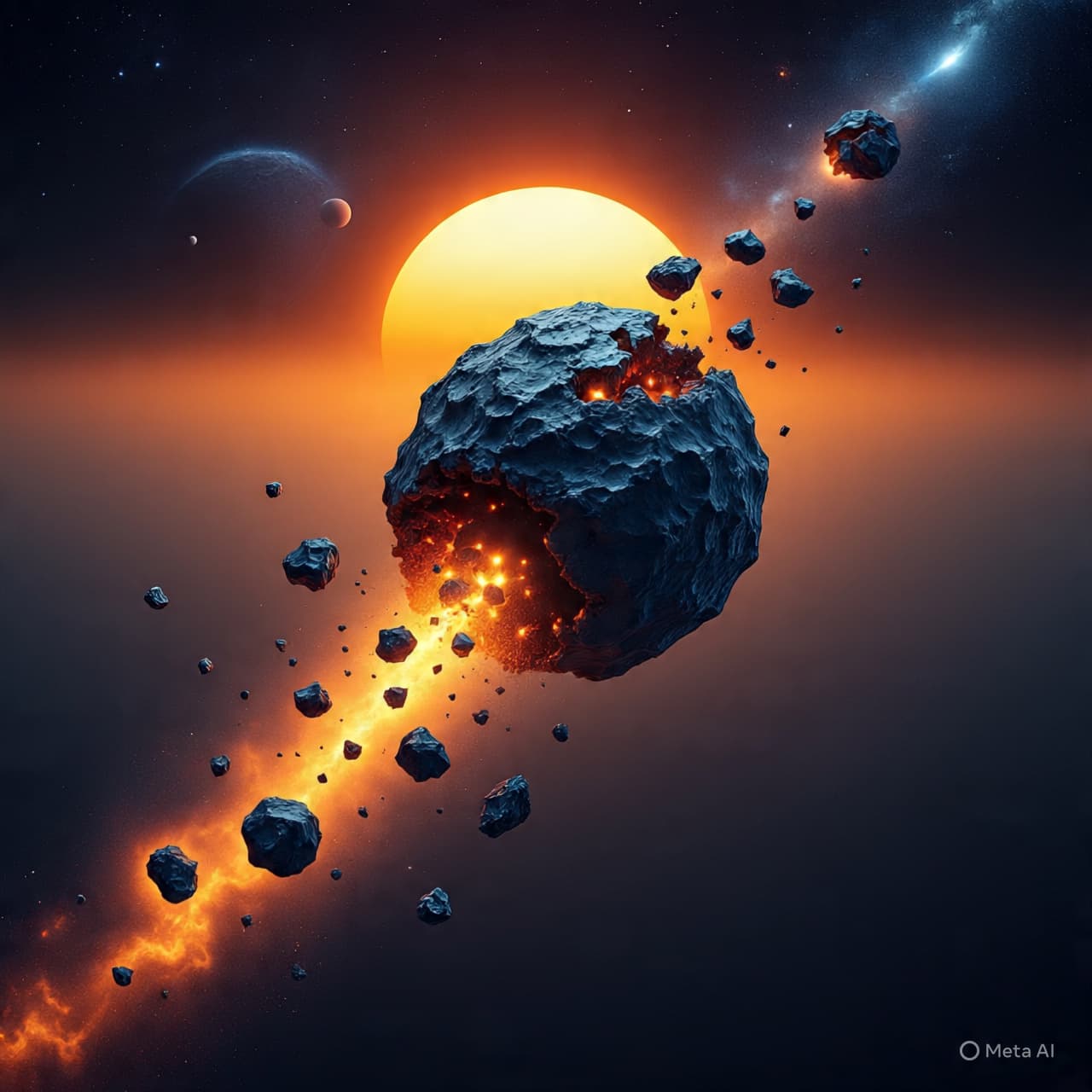
A disintegrating asteroid near the Sun has released debris now intersecting Earth’s orbit. Scientists confirm no threat, offering rare insight into solar-driven fragmentation.

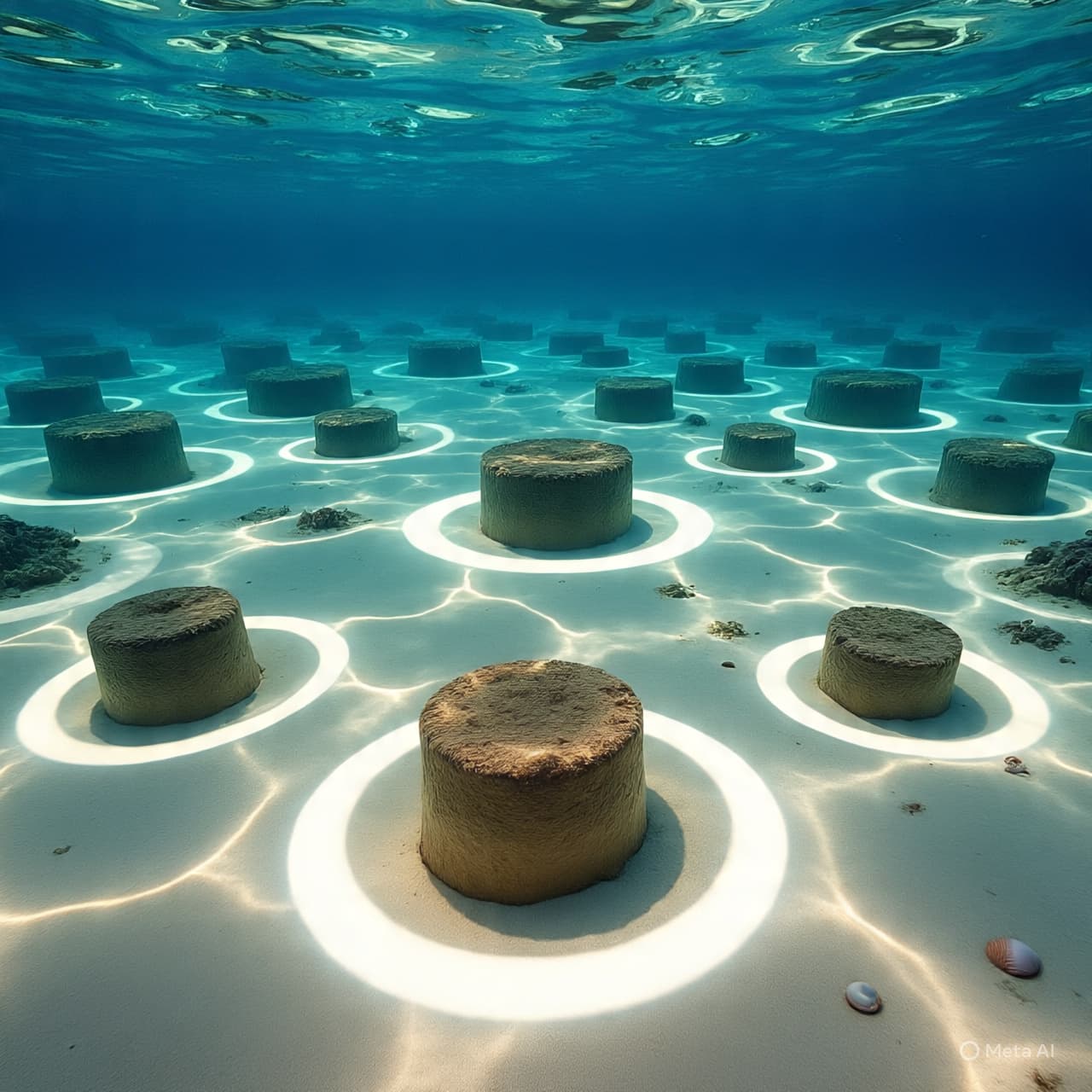
Scientists discovered mysterious barrel-like structures with white halos on the ocean floor, possibly linked to microbial, geological, or unknown processes, highlighting how little is known about deep-sea environments.

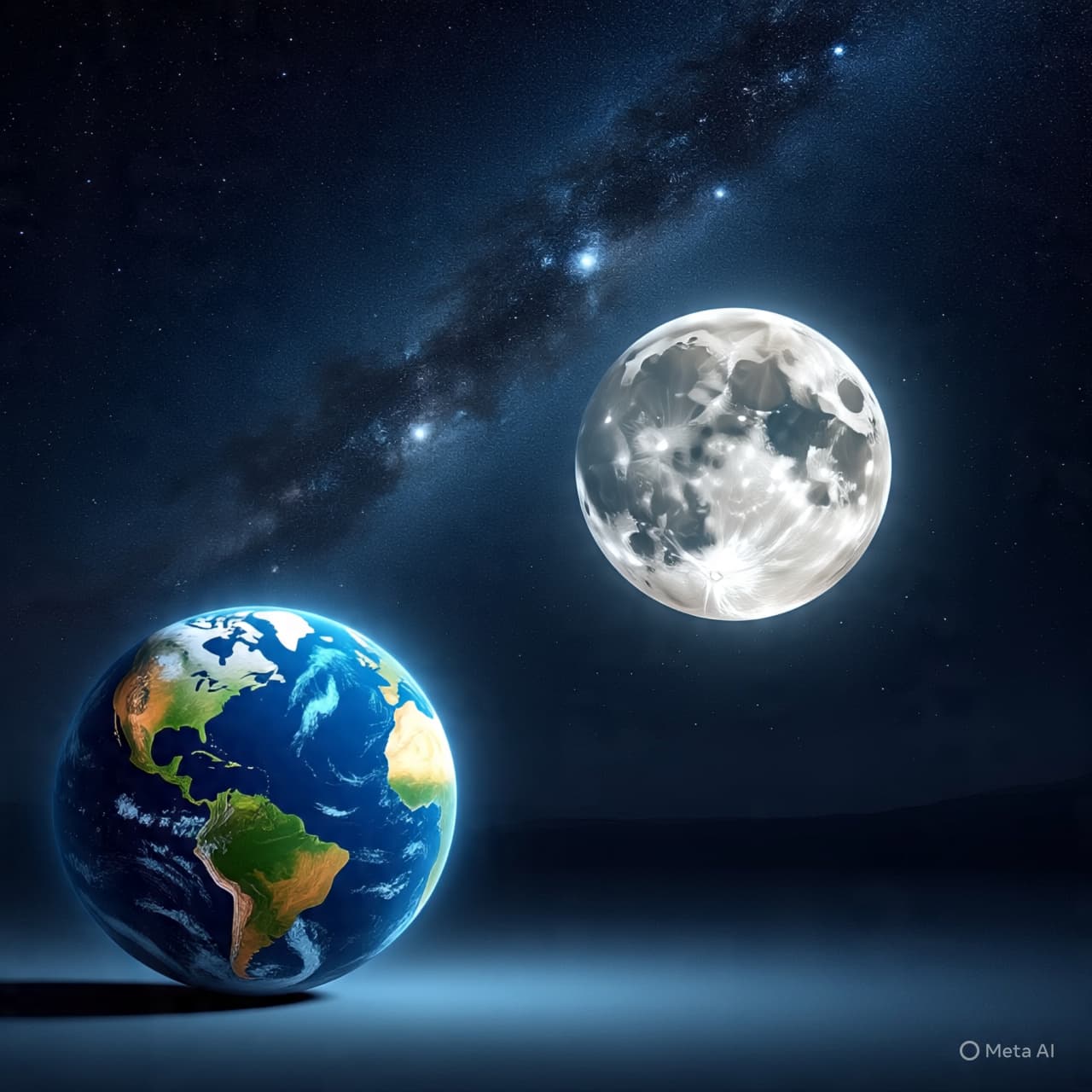
Ancient lunar craters in permanent shadow may contain abundant water ice, offering crucial support for future astronaut missions and long-term lunar exploration.

A rare, newly discovered lunar crater offers scientists valuable insight into impact frequency, planetary defense, and the Moon’s evolving surface.

A 275-million-year-old “living fossil” puzzles scientists, offering insights into evolution, resilience, and how some species survive nearly unchanged across vast time.

Six upcoming space missions following Artemis II aim to explore the Moon, Mars, asteroids, and deep space, marking a new phase of global exploration efforts.

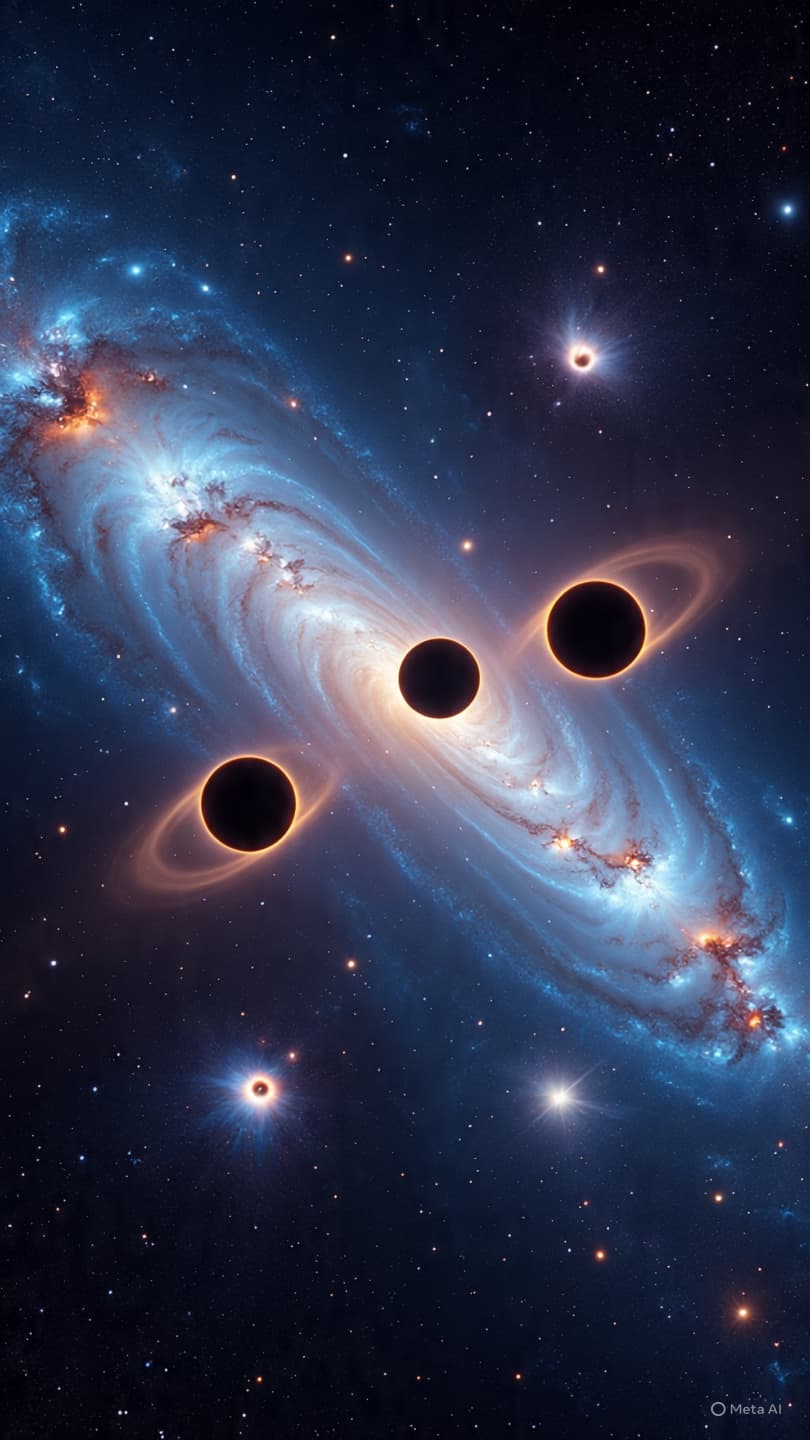
Astronomers identify three distinct subpopulations of merging black holes, revealing diverse cosmic origins and reshaping understanding of gravitational wave events.

Artemis II is inspiring students worldwide by connecting space exploration with education, encouraging interest in science and future careers in STEM.

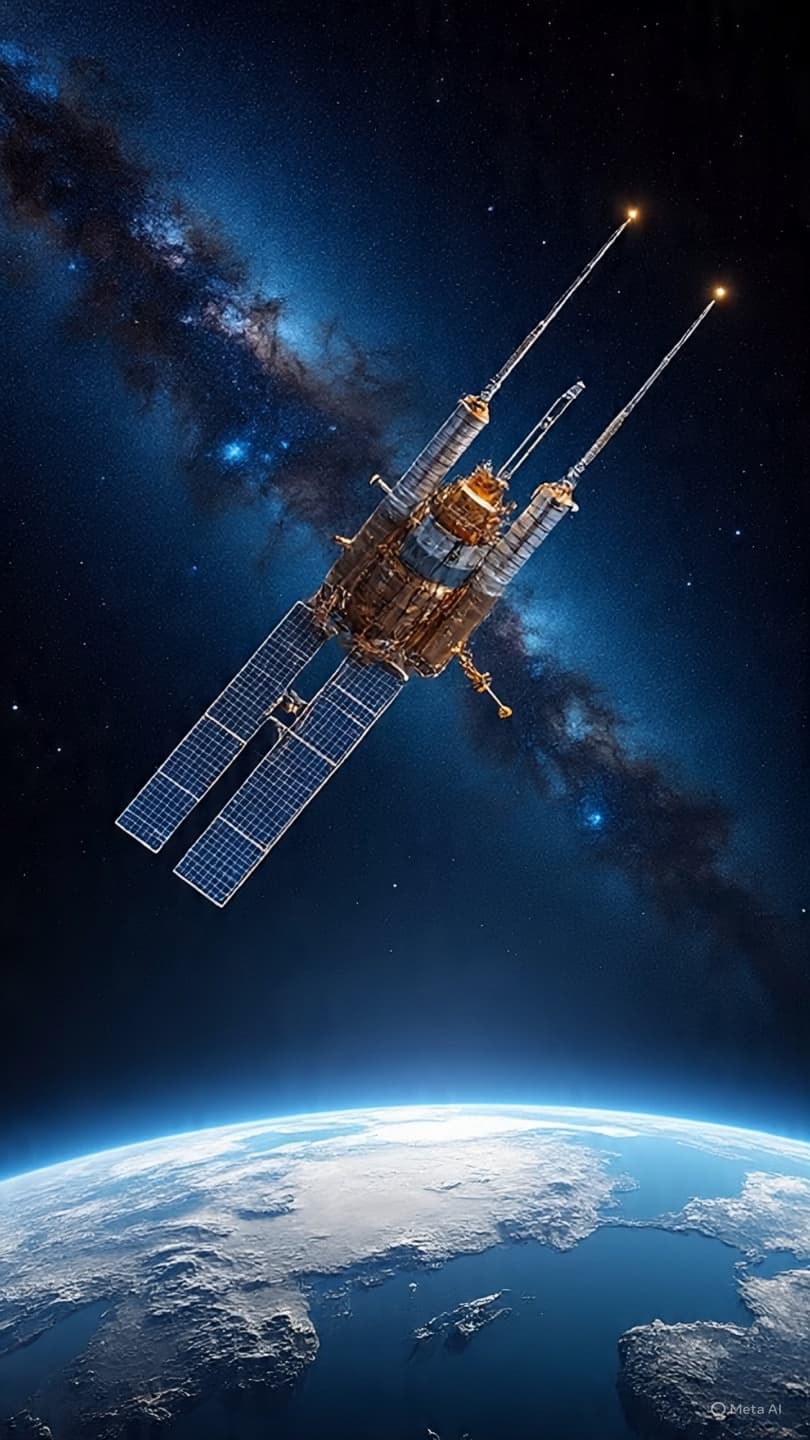
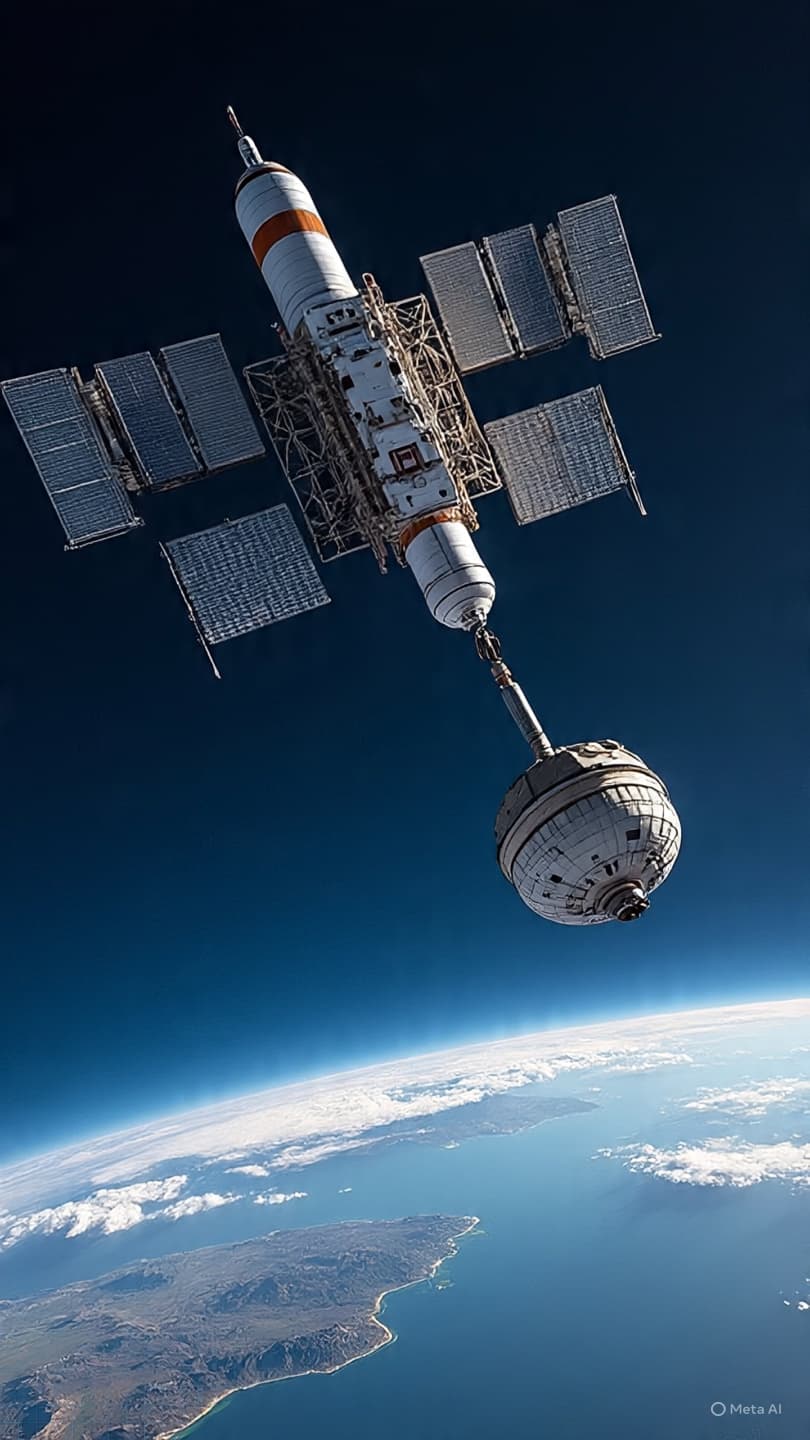
A Falcon 9 rocket launched the Cygnus spacecraft to deliver supplies and experiments to the ISS, supporting ongoing research and astronaut life in orbit.

Scientists have created “optical tornadoes,” structured light beams that swirl like vortices. This breakthrough could enhance particle manipulation, quantum research, and advanced optical technologies.

France and the U.K. plan talks on Hormuz shipping security amid Israel-Iran tensions, highlighting global concern over safe passage through a vital energy corridor.

Australian geologists are measuring the "breath" of the earth's crust to map the deep structure of the continent, using the moon's gravity to reveal secrets hidden miles beneath the surface.

Australian geologists are mapping the thermal pulse of the Simpson Desert, discovering how the red sand acts as a protective shield for life against extreme surface heat.

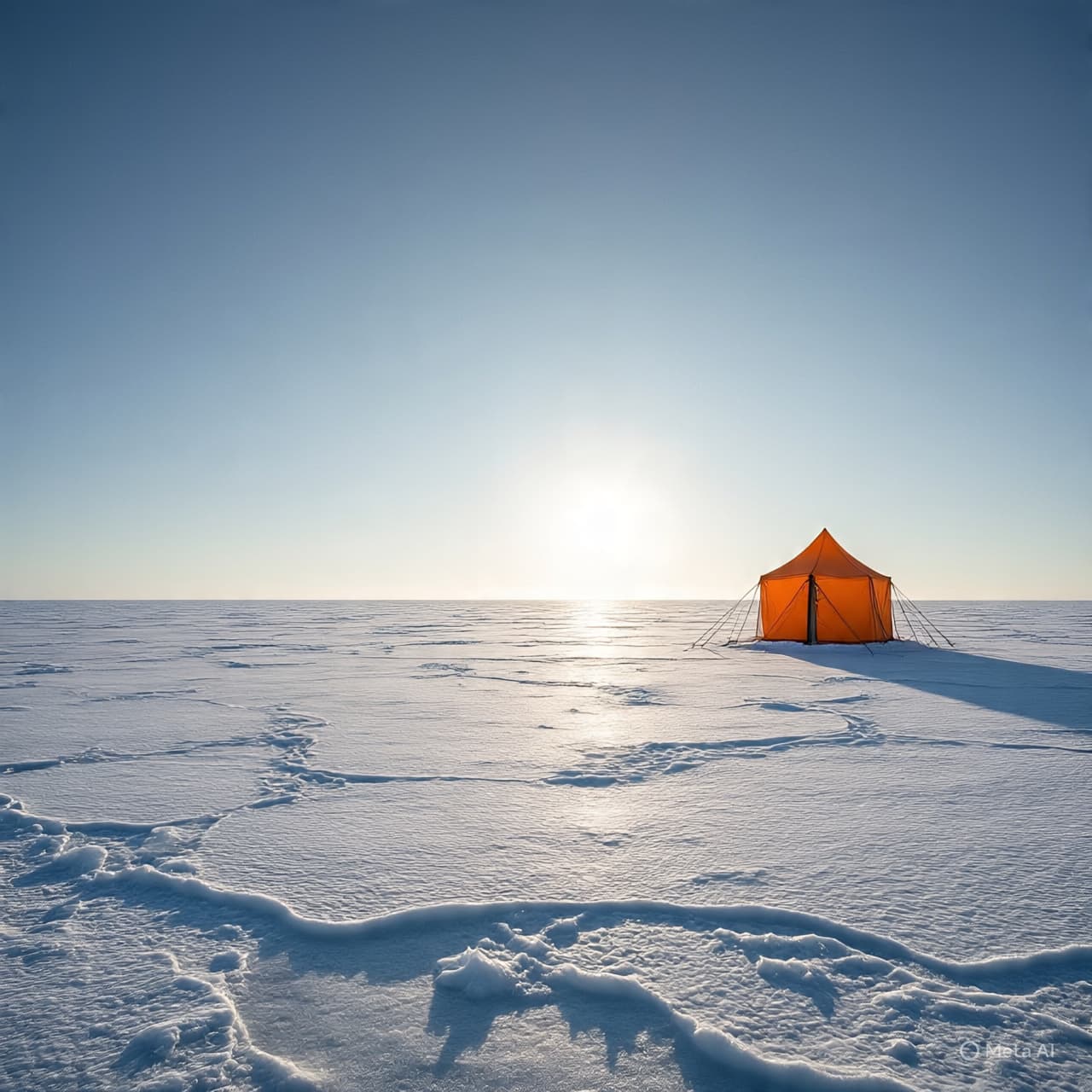
Antarctic researchers are analyzing million-year-old ice cores to uncover the Earth's prehistoric climate history, providing vital data for modern global warming predictions.

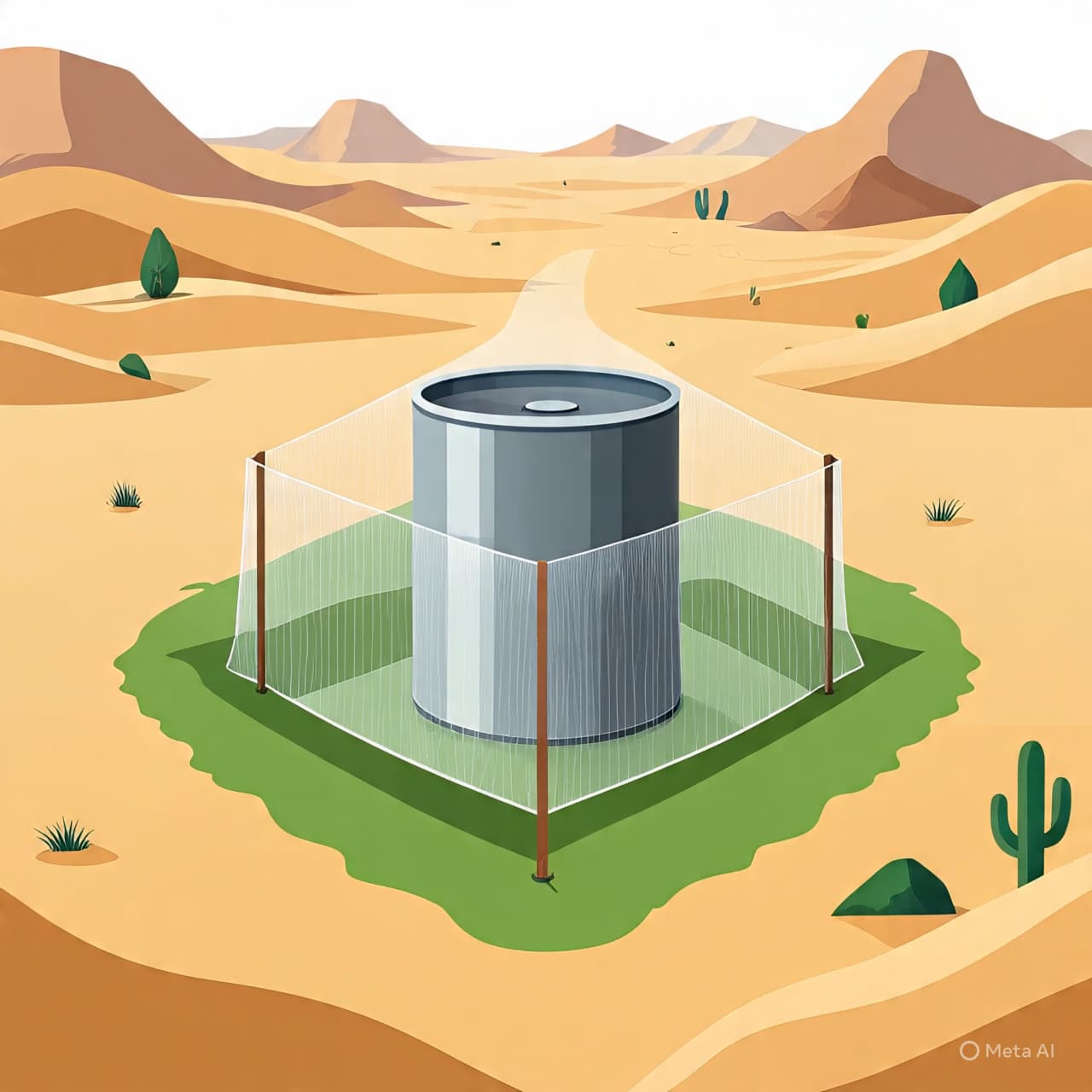
Engineers are using advanced mesh nets to harvest water directly from fog, providing a low-cost and sustainable solution for water-scarce regions.

Gardening may support brain health by improving memory, reducing stress, and stimulating cognitive activity through physical, mental, and social engagement.

NASA-based simulations estimate Earth’s distant uninhabitable future, driven by solar evolution, emphasizing long-term science rather than immediate concern.

Singapore leads the era of precision medicine through the genomic sequencing of one million residents, creating a tailored healthcare system to enhance quality of life.

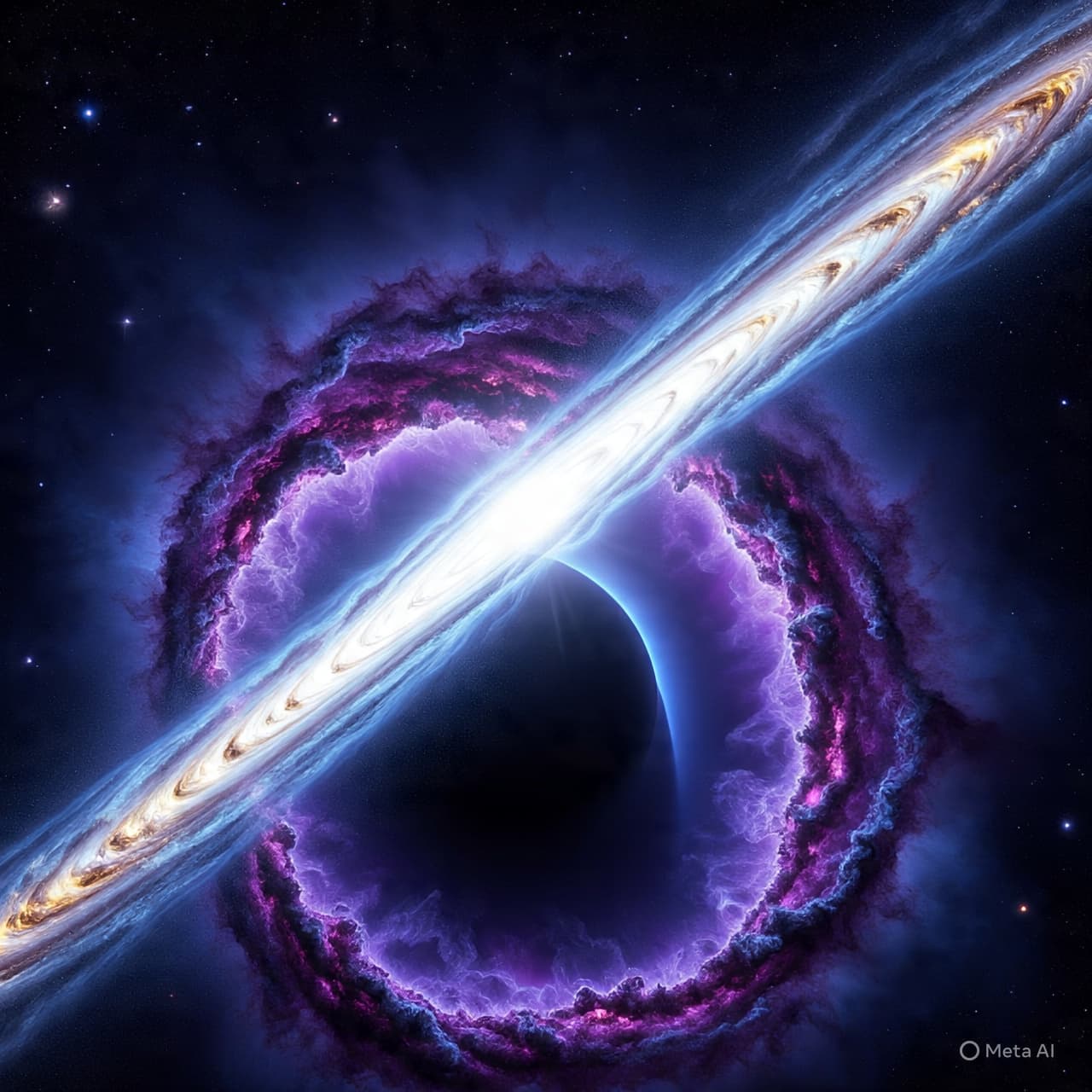
A dormant black hole has reactivated after 100 million years, erupting with energy that reshapes its galaxy and offers new insights into cosmic evolution.

A new exhibition in Belgrade showcases the private letters and original calculations of Milutin Milanković, revealing the human side of the man who mapped Earth's long-term climate cycles.