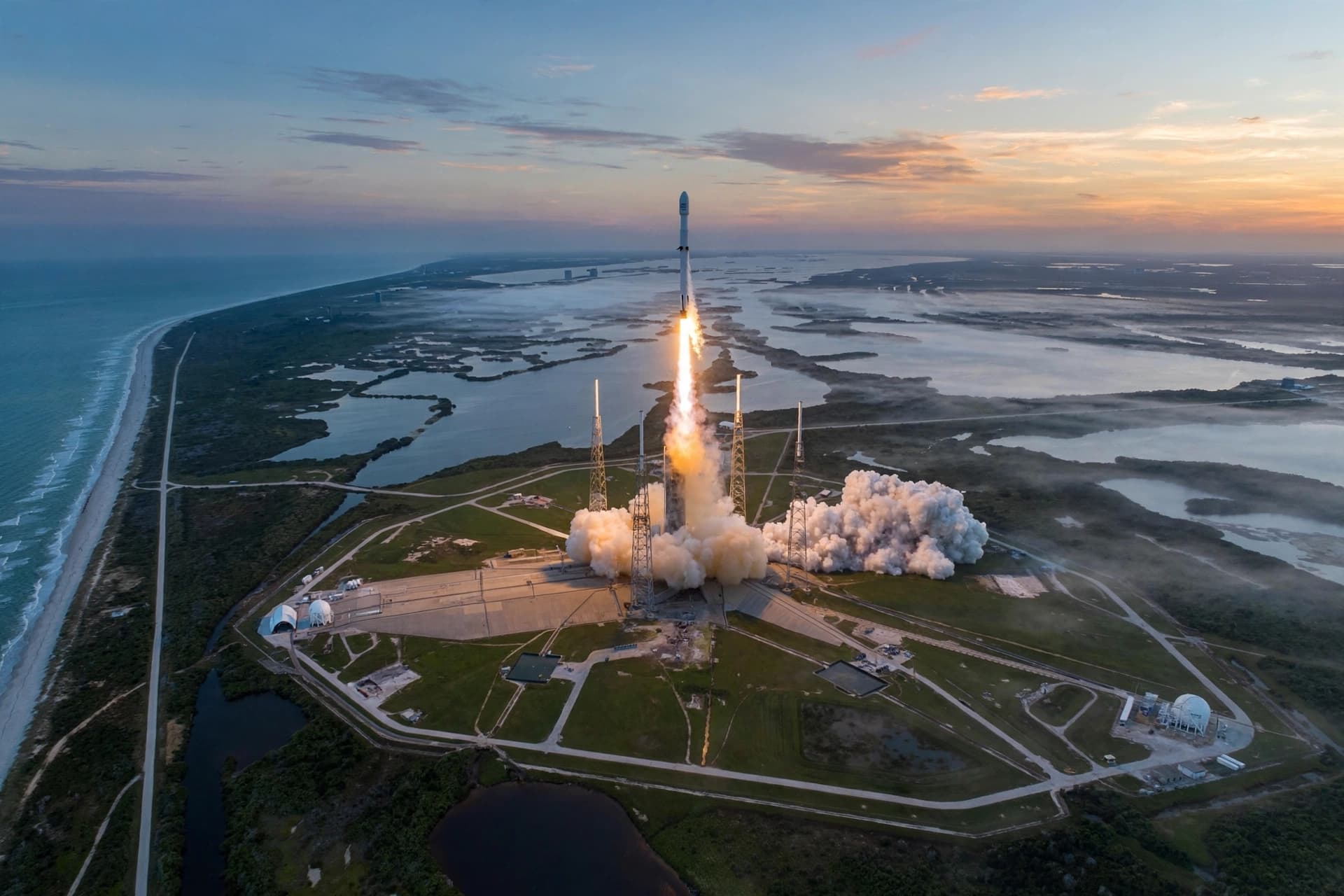
There is something profoundly human about sending supplies into space. Beyond the spectacle of fire and ascent, each launch carries a quieter purpose—sustaining life far above the Earth. Recently, another such journey unfolded as a Falcon 9 rocket lifted a Cygnus cargo spacecraft toward the International Space Station.
The launch itself followed a familiar choreography. Engines ignited, the rocket rose, and within minutes it disappeared into the vastness above. Yet behind this routine lies a network of planning, engineering, and collaboration that ensures astronauts continue their work in orbit.
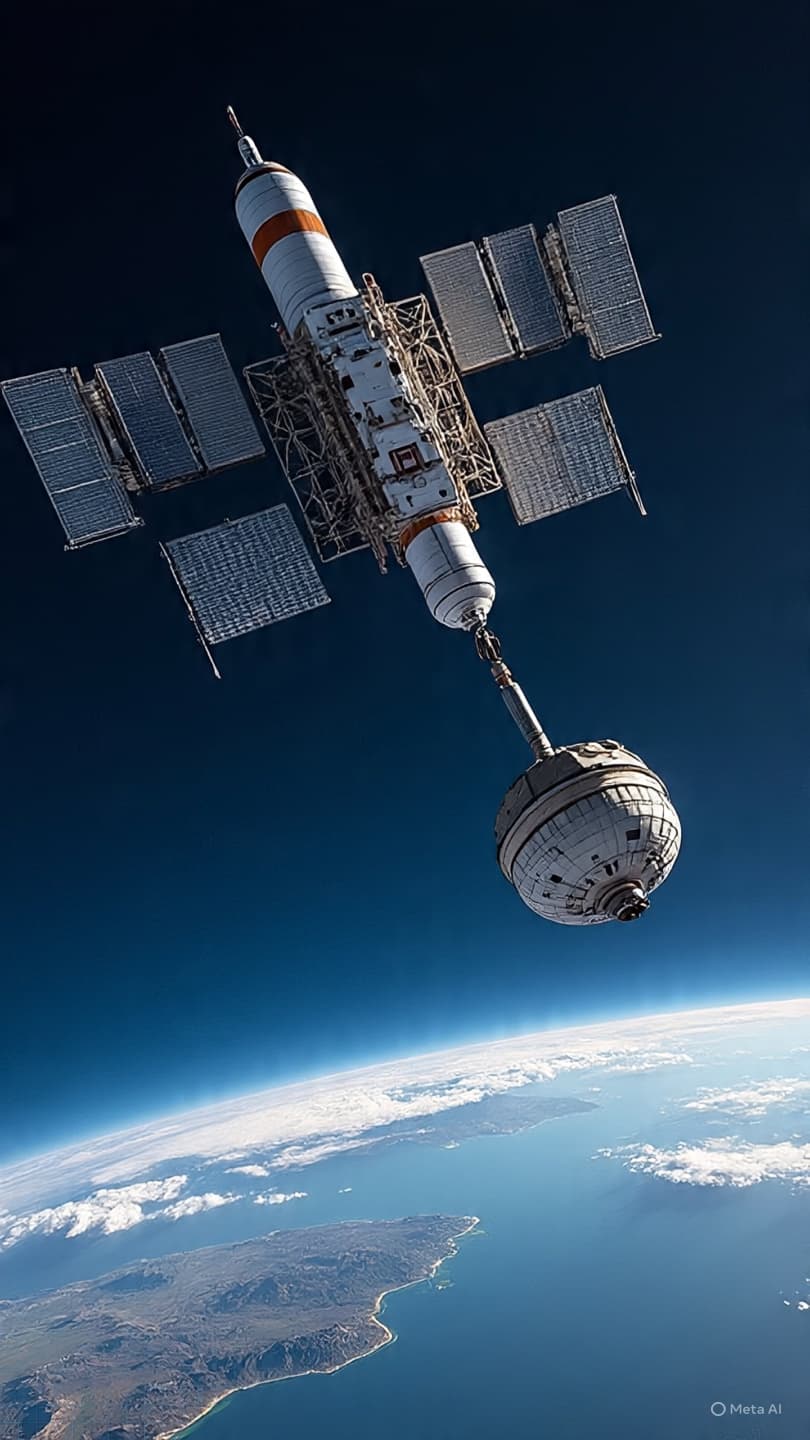
Cygnus, an uncrewed cargo spacecraft, plays a crucial role in this system. It transports food, scientific equipment, and essential supplies to the station. Without such missions, the continuity of research aboard the ISS would face significant challenges.
The Falcon 9 rocket, developed by SpaceX, has become a reliable vehicle for such missions. Its reusability has reshaped the economics of spaceflight, allowing more frequent and cost-effective launches. This particular mission continues that pattern of efficiency and dependability.
Inside Cygnus are not just materials, but possibilities. Scientific experiments carried aboard often explore fields ranging from biology to physics, taking advantage of the microgravity environment. Each delivery, therefore, supports not only survival but discovery.
The International Space Station itself remains a symbol of international cooperation. Orbiting Earth, it serves as a shared laboratory where multiple nations contribute to advancing knowledge. Cargo missions like this one are the threads that keep that collaboration intact.
Timing and precision are critical. The spacecraft must reach the station at exactly the right moment and position. Automated systems guide Cygnus as it approaches, ensuring a safe docking process without human piloting.
Once attached, astronauts aboard the ISS will begin unloading the cargo. Supplies are carefully cataloged, and experiments are prepared for execution. The process is methodical, reflecting the unique challenges of working in space.
There is also an end to the journey. After completing its mission, Cygnus will eventually detach and re-enter Earth’s atmosphere, where it safely burns up. In doing so, it also disposes of waste from the station, completing a full cycle of delivery and removal.
While launches may appear routine today, each one reinforces the fragile yet enduring connection between Earth and orbit. This mission, like many before it, quietly sustains humanity’s presence beyond our planet.
AI Image Disclaimer Visuals are created with AI tools and are not real photographs.
Source Check (Credible Media): NASA SpaceX Space.com Reuters The Verge
Published by Banx Network. This article is part of the Banx decentralized media programme, powered by the BXE token on the XRP Ledger.