SCIENCE81% credibility
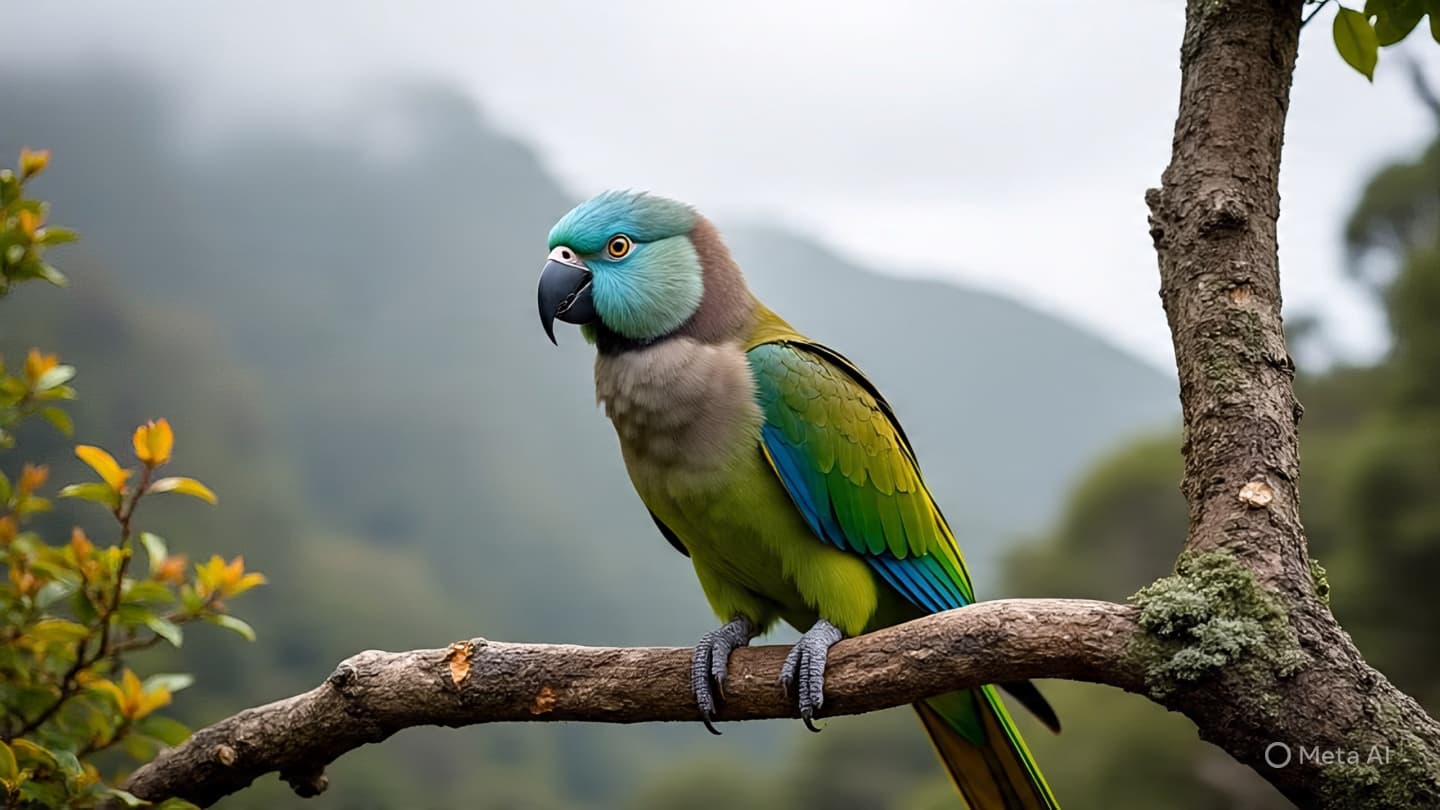
He Lost a Beak, But Not His Place
Bruce the kea parrot, missing his upper beak, has shown remarkable adaptability and maintained high social standing.
5 min read

Bruce the kea parrot, missing his upper beak, has shown remarkable adaptability and maintained high social standing.
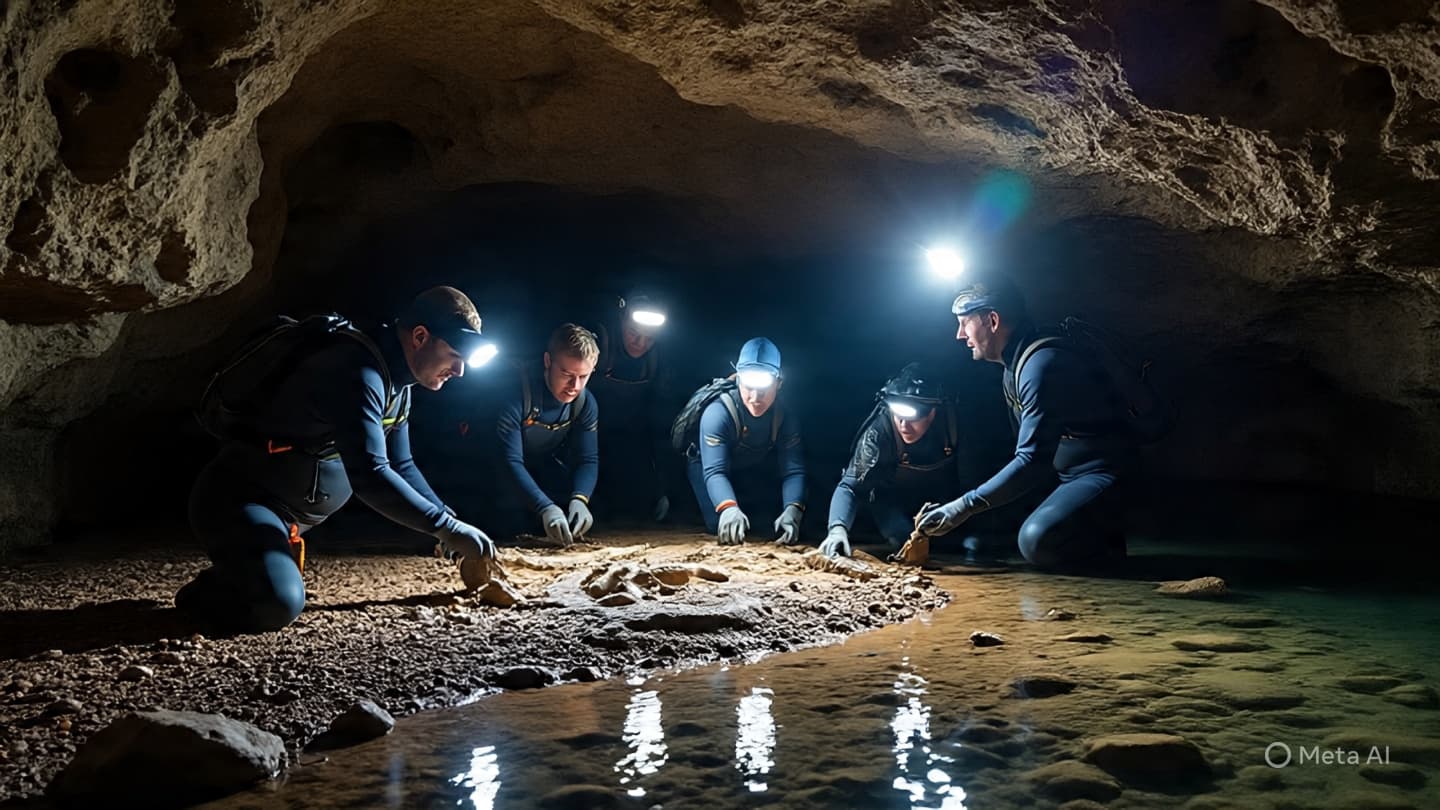
Scientists in Texas uncovered Ice Age fossils in a cave, offering new clues about prehistoric animals and climate 100,000 years ago.
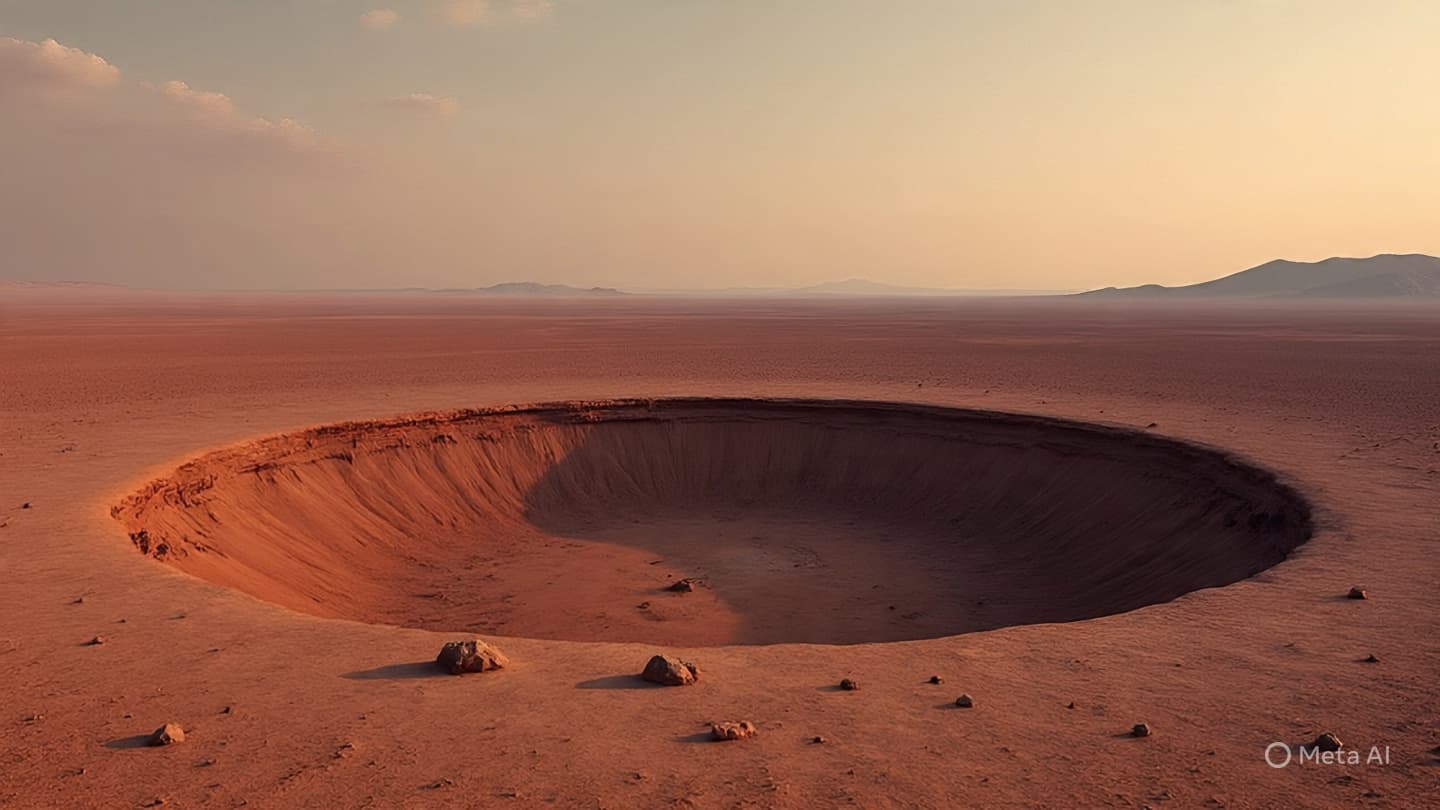
Scientists say a shelf-like “bathtub ring” on Mars may be evidence of an ancient ocean that existed billions of years ago.
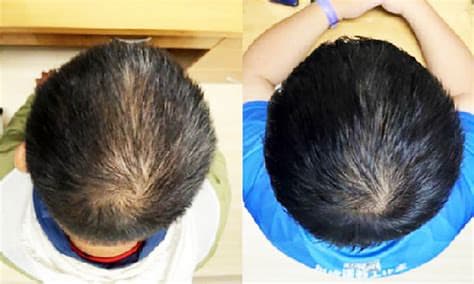
A groundbreaking advancement in hair restoration has emerged as scientists unveil a new plant-based serum that has demonstrated the ability to regrow hair within weeks. This innovative solution could revolutionize treatments for hair loss and promote sustainable practices in cosmetics.

Meta smart glasses blend fashion and technology, offering hands-free capture and AI features while raising growing concerns about privacy in everyday spaces.

Hong Kong transforms its public spaces with interactive light art, using technology to foster community connection and enhance the city's nighttime beauty.
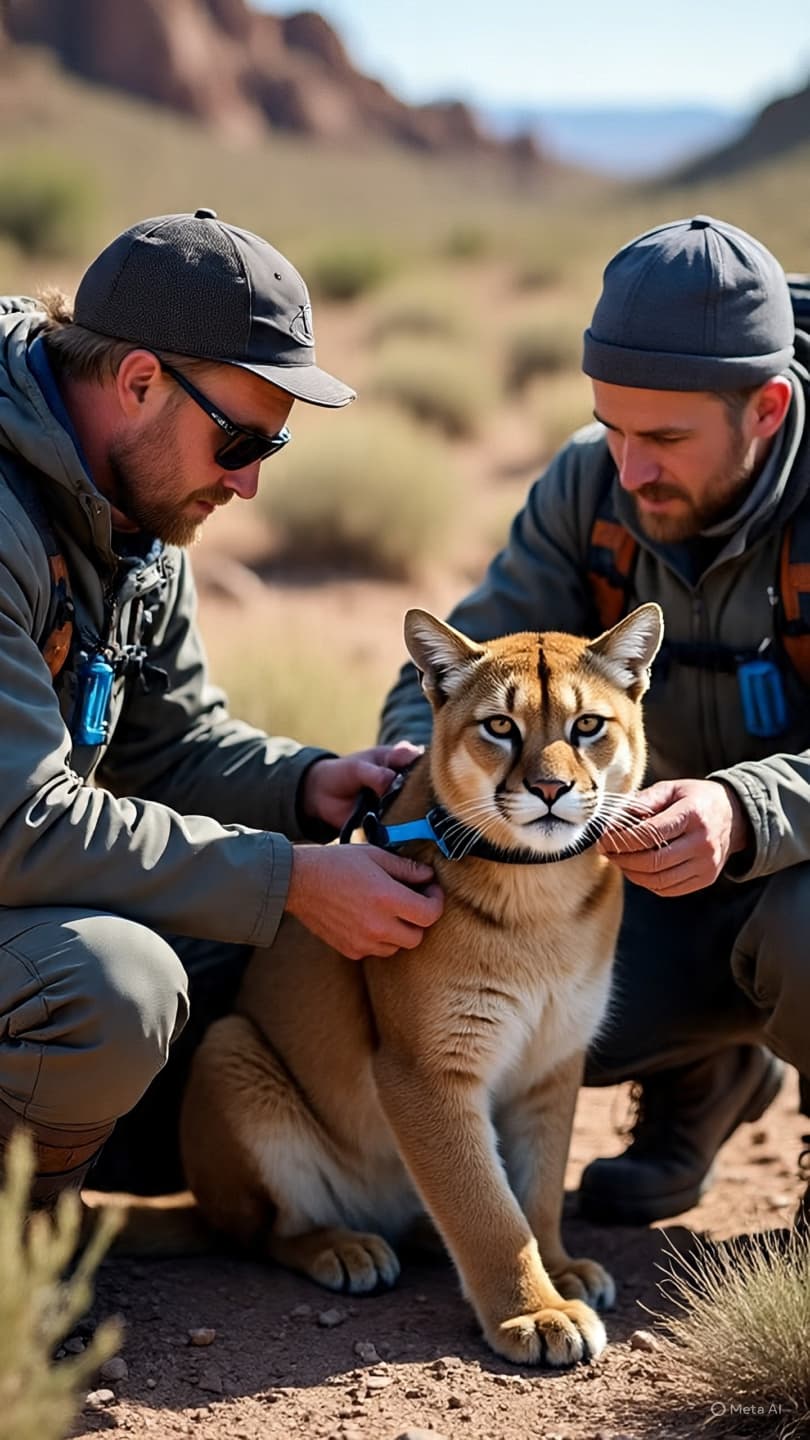
A mountain lion was captured in Marin County as part of an expanding research project, offering new insights into wildlife movement and conservation in Northern California.

Hong Kong revitalizes its industry with urban micro-factories, using high-precision automation to manufacture specialized technology in the heart of the city.
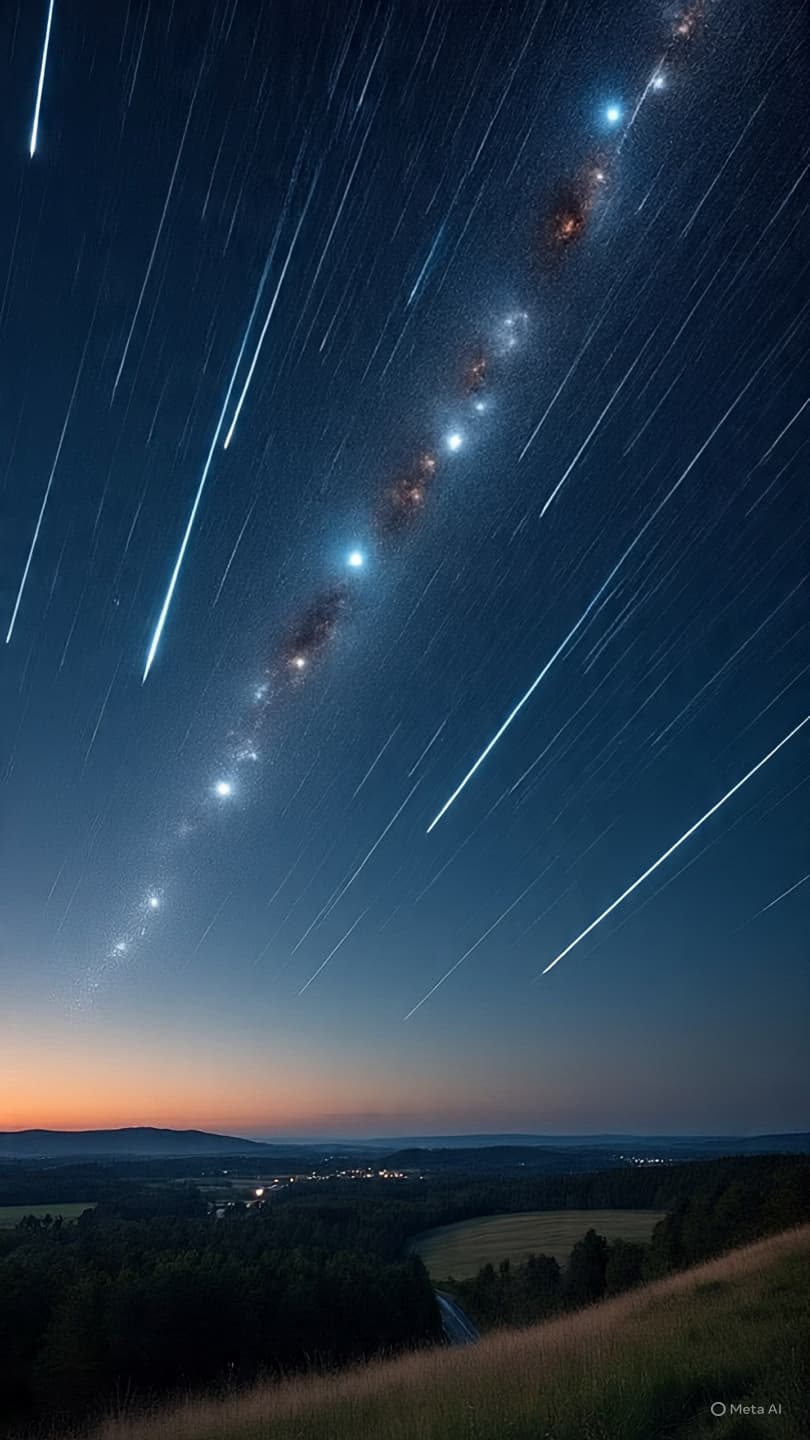
The Lyrid meteor shower is active and nearing its peak, offering up to 20 meteors per hour under dark skies, best viewed before dawn away from city lights.

Brookhaven scientists share the 2026 Breakthrough Prize in Physics for their role in the Muon g-2 experiment, advancing precision measurements that may reveal new physics.

Hong Kong strengthens its food security through deep-sea smart mariculture, using AI and offshore cages to produce sustainable seafood while protecting the marine environment.
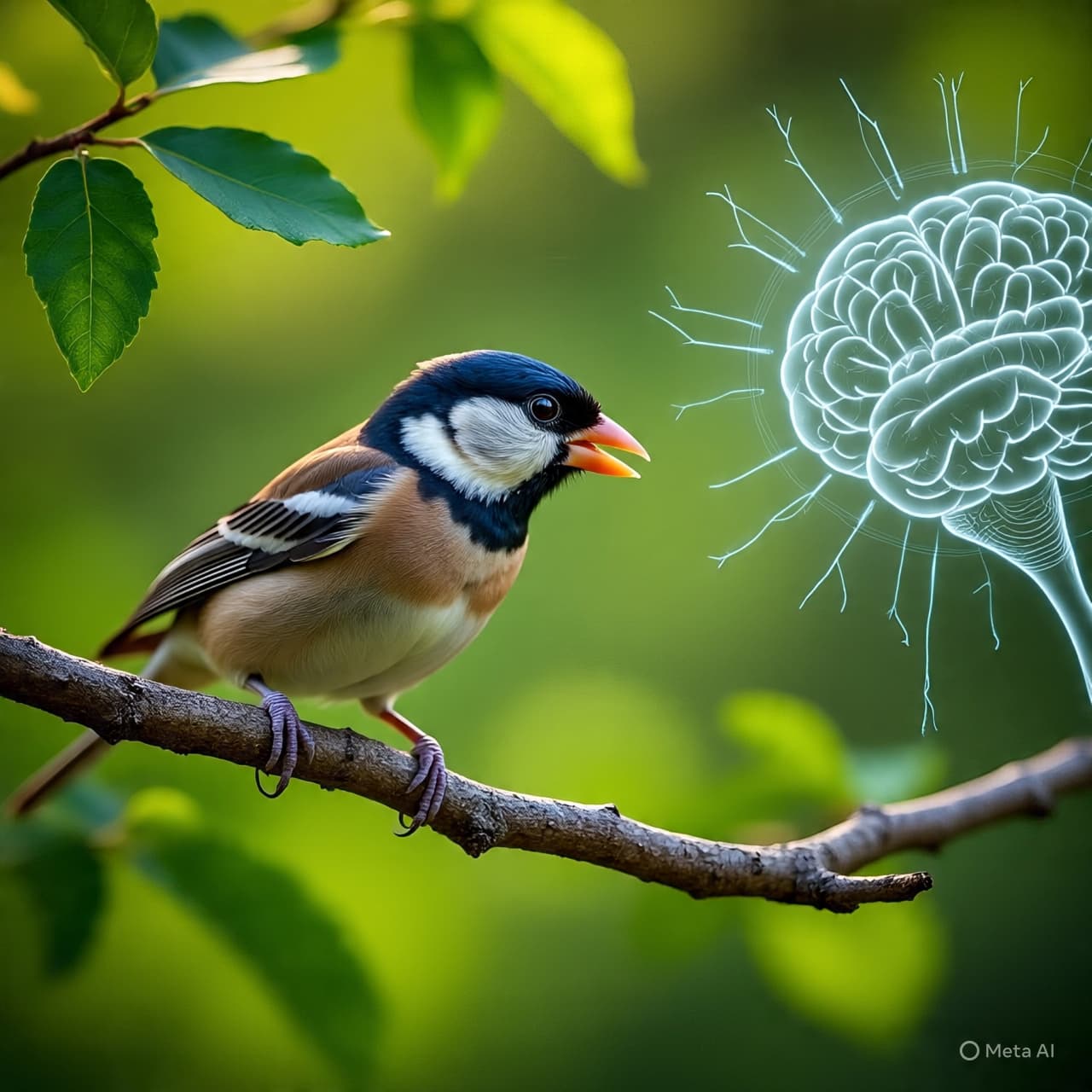
Research on zebra finch neurons is offering new insights into learning, brain repair, and the limits of human neural adaptability.

A mother and her two daughters were killed in a Hastings triple homicide, prompting an ongoing police investigation and community mourning.

During its 2029 flyby, asteroid Apophis will be influenced by Earth’s gravity, offering scientists a rare chance to study tidal effects in space.

A rocket launch filmed in North West WA drew public attention, highlighting growing space activity and the visual impact of modern aerospace missions.

Simulations of black holes reveal how light and matter behave near extreme gravity, offering insight into cosmic environments beyond direct observation.
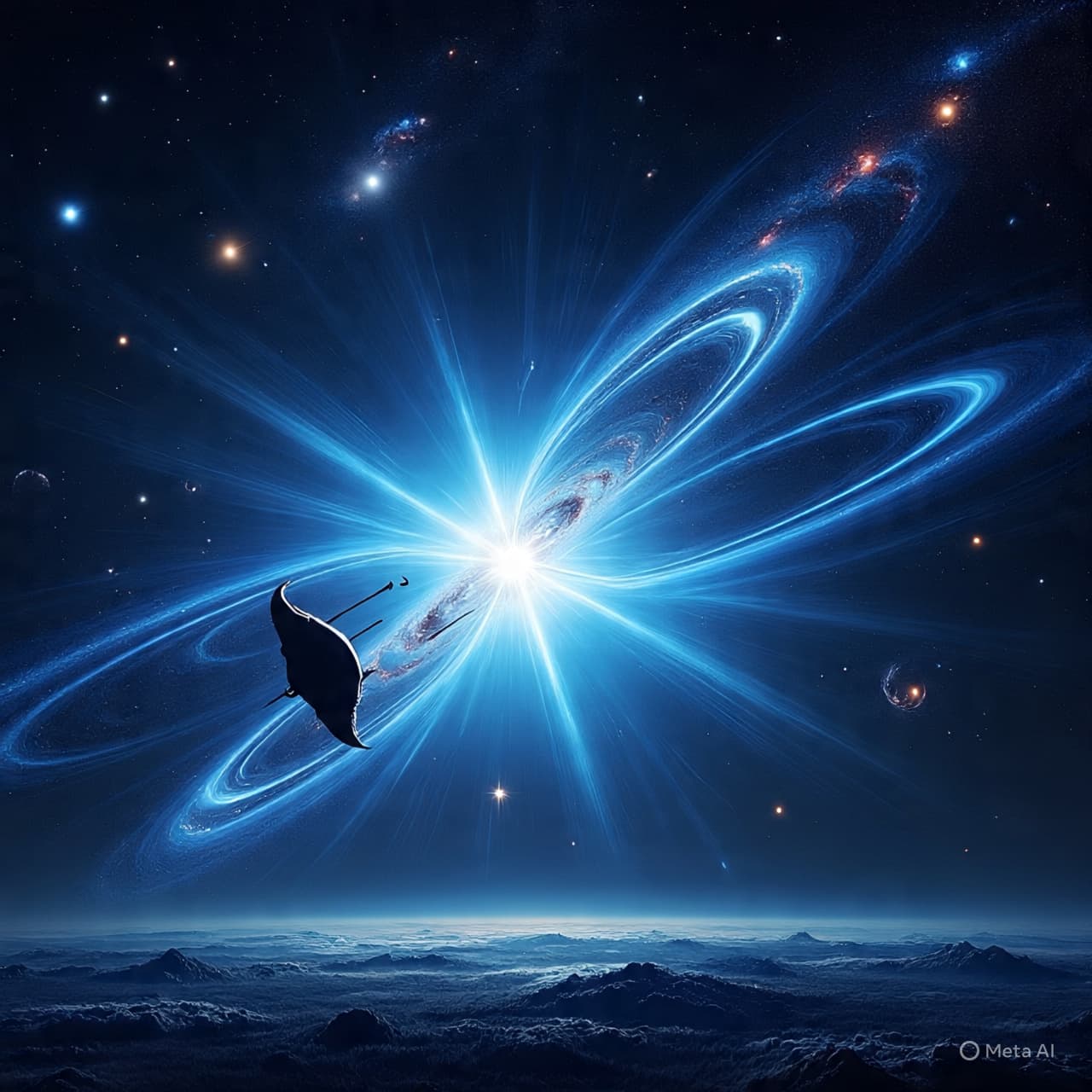
Researchers suggest rare blue cosmic explosions may happen when a compact dead star collides with a Wolf-Rayet star.
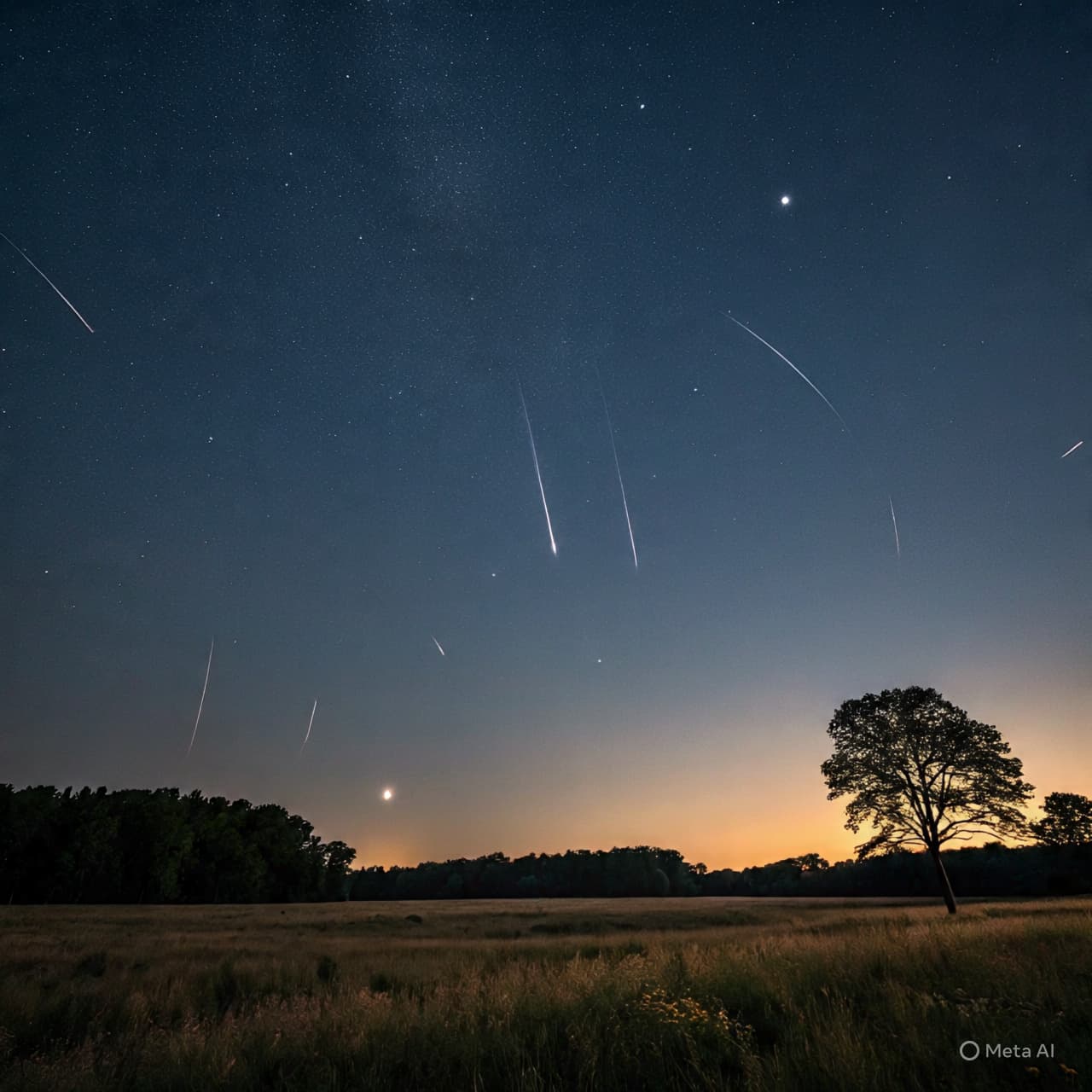
The Lyrids meteor shower peaks around Earth Day, giving Wisconsin skywatchers a chance to see bright meteors after midnight.
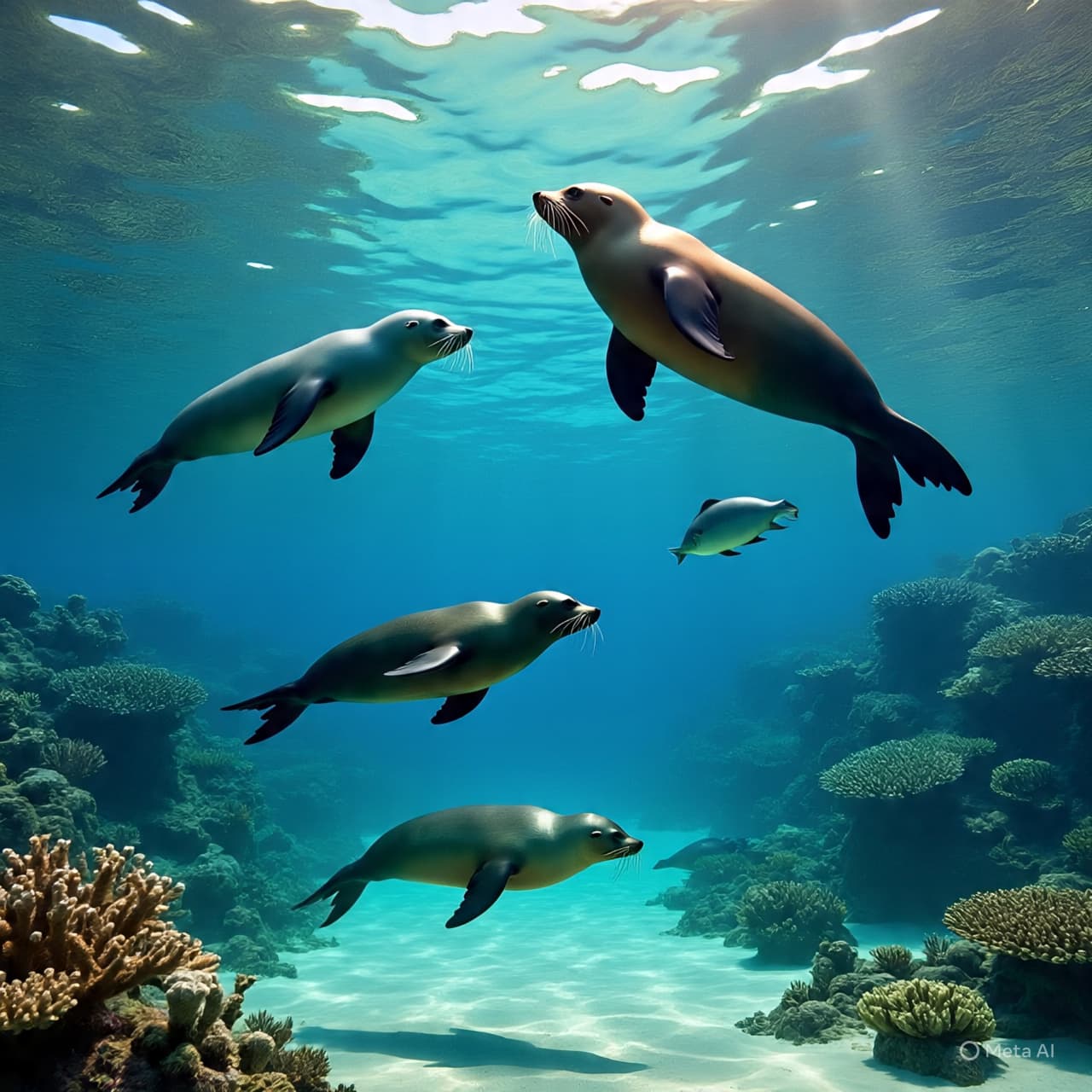
A study suggests pinniped spines evolved to support marine life and different swimming styles, revealing how anatomy adapted to life in water.
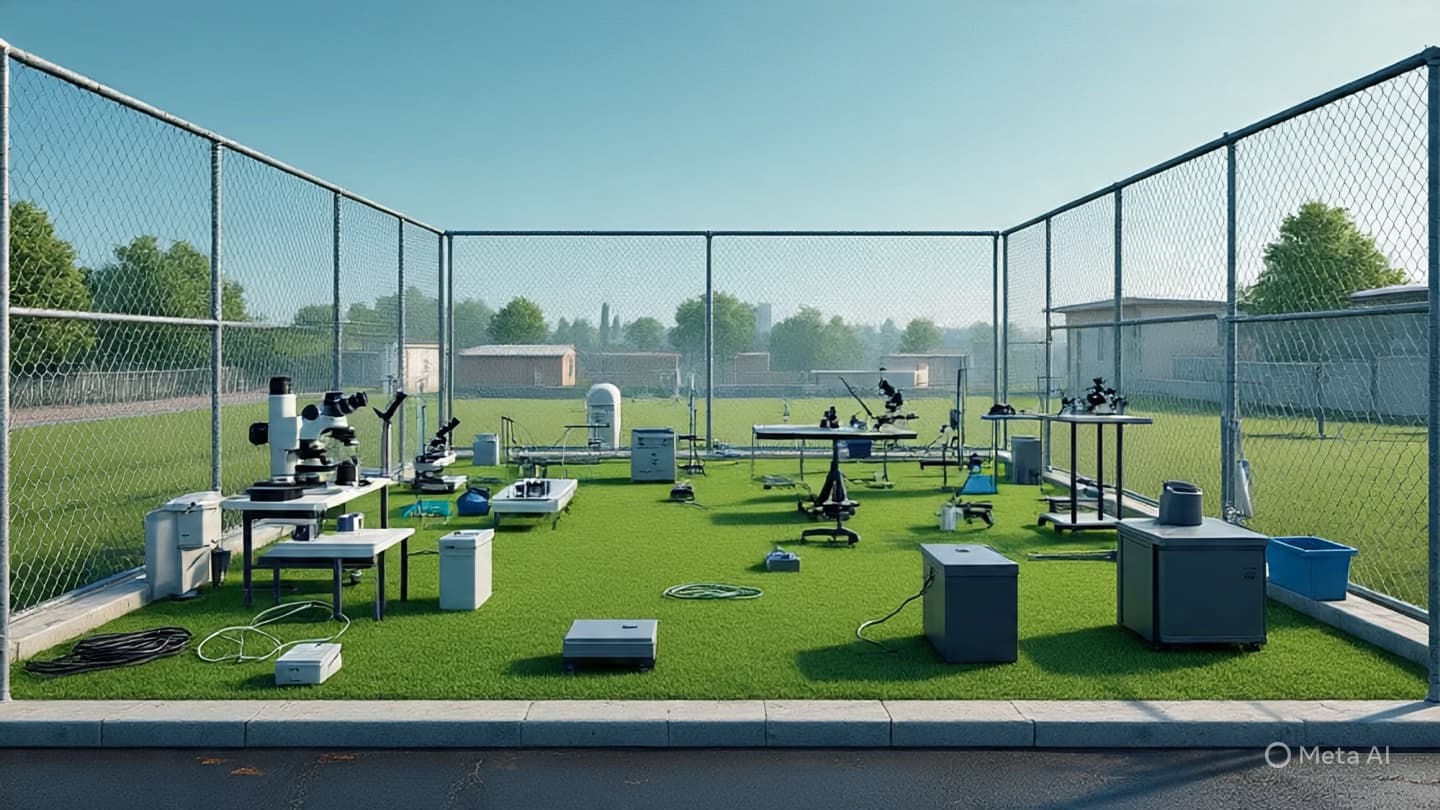
Researchers near Windsor propose an outdoor forensic lab to study decomposition and improve investigations, training, and region-specific science.
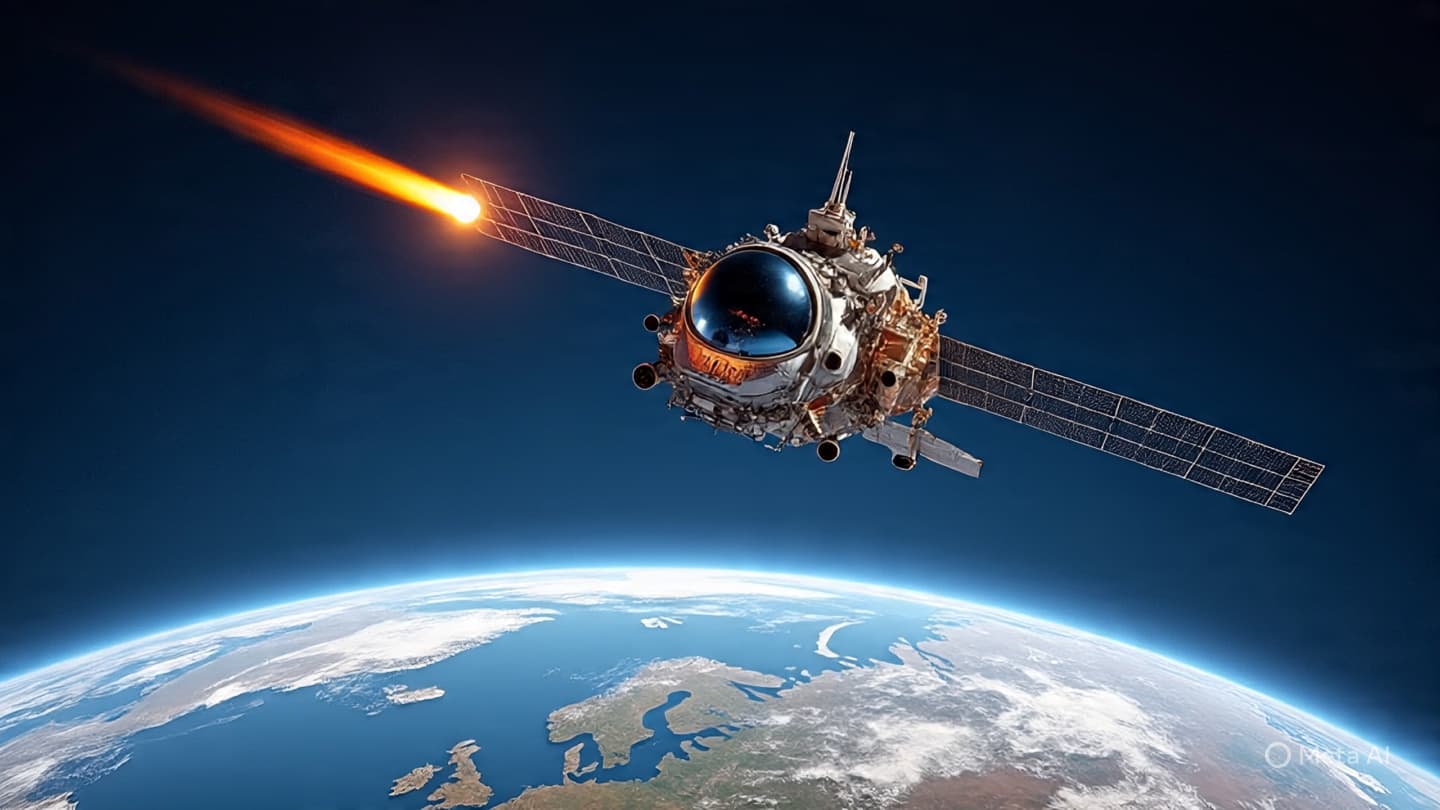
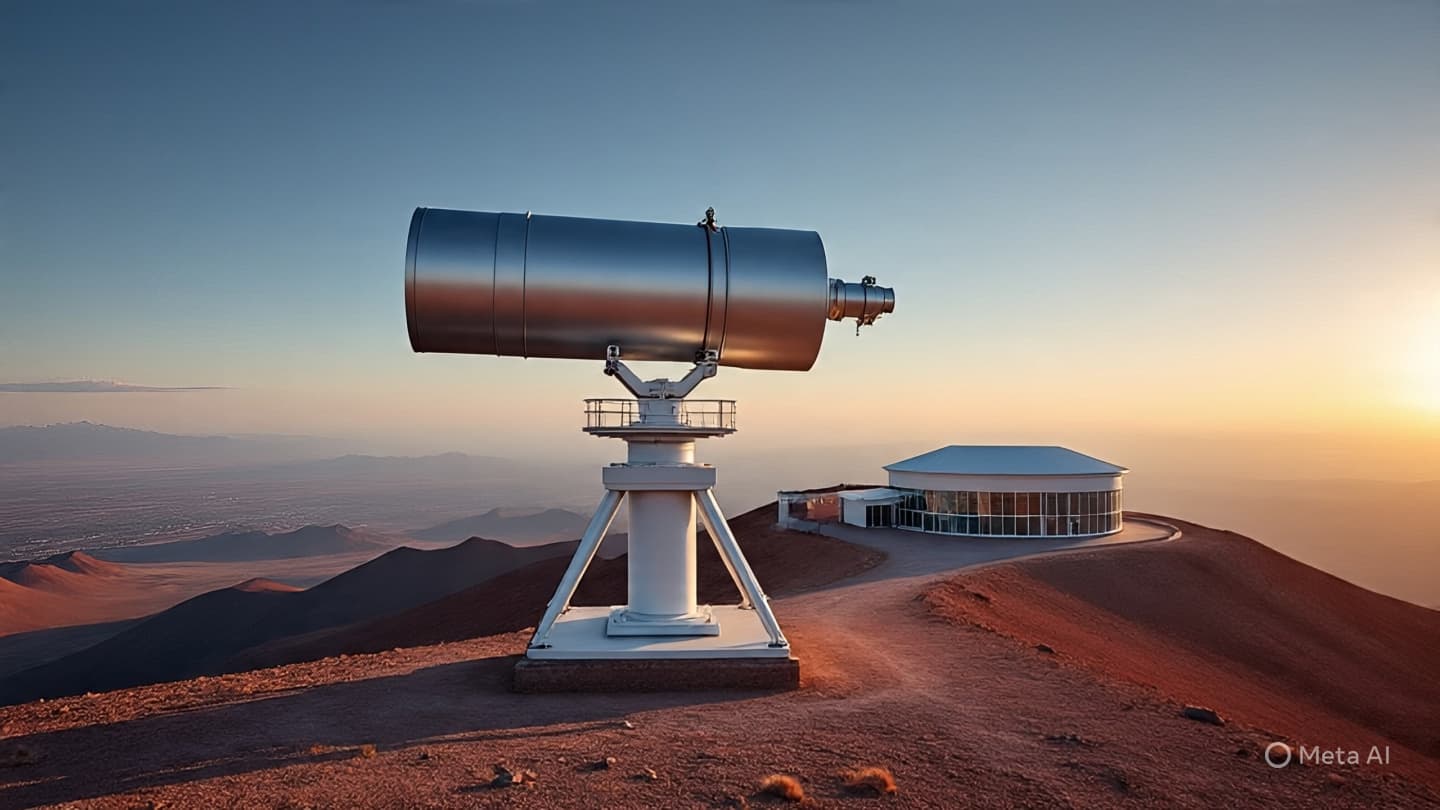
A new telescope in Chile’s Atacama region will study star formation, distant galaxies, and major cosmic mysteries using submillimeter observations.
Scientists say Artemis missions may provide years of value through health data, engineering advances, lunar samples, and future exploration lessons.

NASA powers down part of Voyager 1 to conserve energy, extending the lifespan of the farthest human-made spacecraft still sending data.
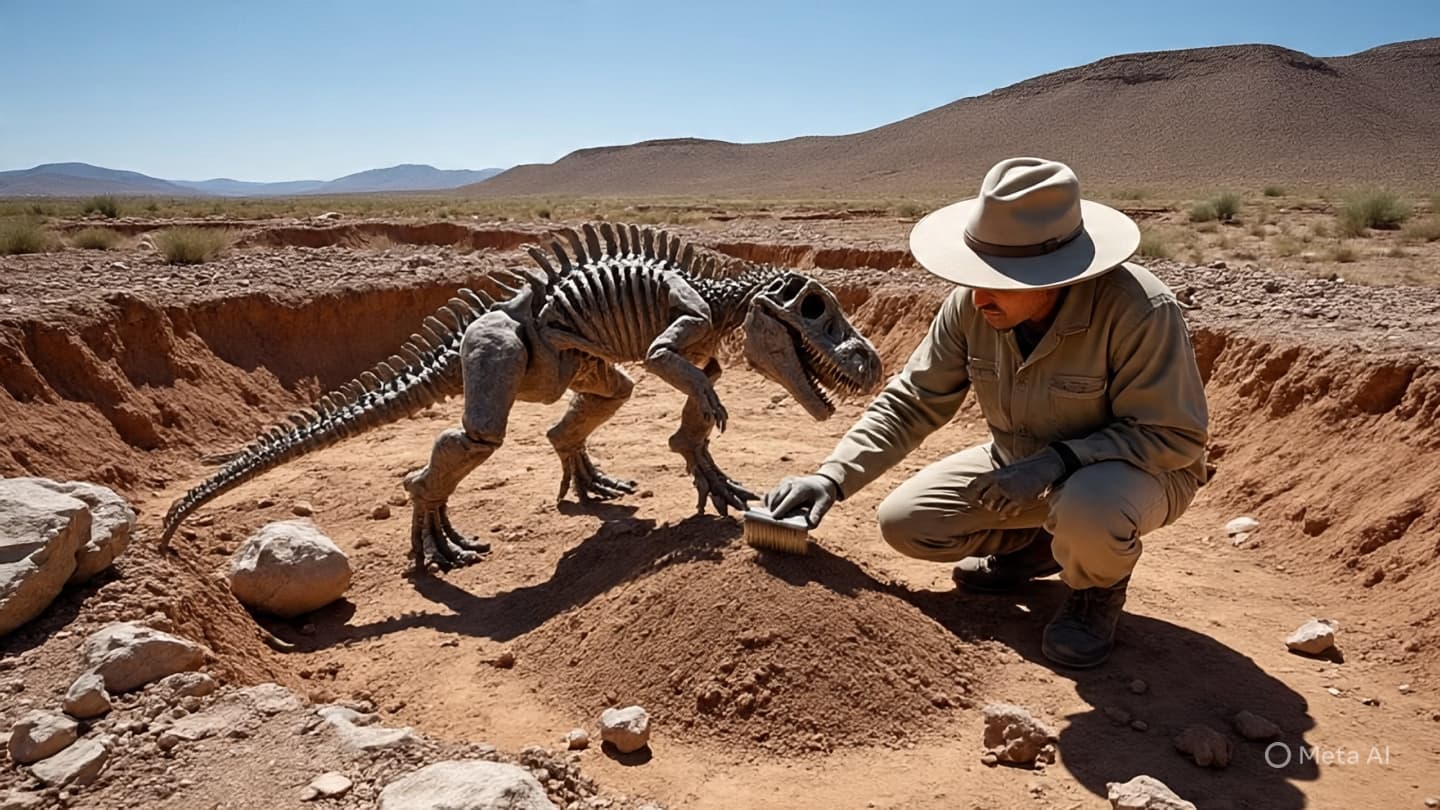
A newly discovered fossil in South America may represent the first Jurassic brachiosaurid found in the region, expanding understanding of dinosaur distribution.