Sometimes planets keep their memories in contours rather than words. A ridge, a slope, a silent band across ancient terrain may hold more meaning than it first appears. Scientists now say a “bathtub ring” feature on Mars could offer new evidence that a vast ocean once covered part of the red planet billions of years ago.
Researchers described a broad coastal shelf-like formation that may trace the edge of a long-vanished Martian sea. The comparison to a bathtub ring refers to the mark left when water recedes.
The study, published in Nature, examined topographic data gathered by NASA instruments that mapped the Martian surface. Scientists compared those patterns with how coastlines and continental shelves form on Earth.
Mars has long shown signs of ancient water, including river valleys, deltas, and lakebeds. Yet whether it once held a large northern ocean has remained one of planetary science’s enduring debates.
Researchers argue the newly identified shelf may be more durable and visible than narrower shoreline traces proposed in earlier decades. If confirmed, it could strengthen the case for a long-standing ocean.
Some outside experts welcomed the idea while noting that Mars differs greatly from Earth. Without plate tectonics and with a very different climate history, comparisons must be handled carefully.
Still, the hypothesis is considered testable. Future missions may examine minerals and sediments above and below the proposed boundary for signs of marine processes.
Whether the feature proves decisive or not, the question remains profound: Mars may once have been warmer, wetter, and more familiar than the cold desert seen today. The search for its shoreline is also a search for its past habitability.
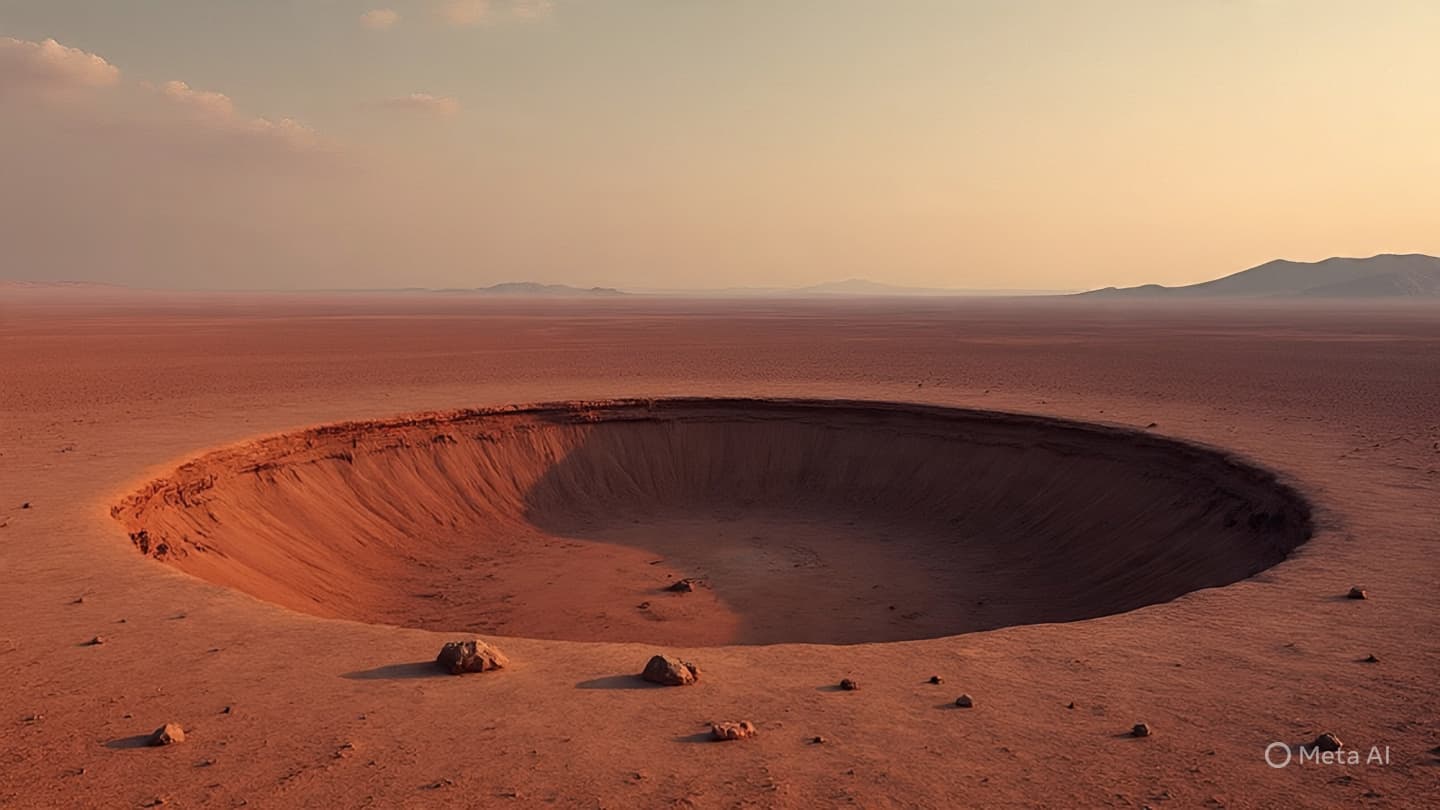
AI Image Disclaimer: These visuals are AI-generated artistic depictions based on scientific reporting and research descriptions.
Sources (verification check): CNN, Nature, NASA, Caltech, University of Texas at Austin
Published by Banx Network. This article is part of the Banx decentralized media programme, powered by the BXE token on the XRP Ledger.