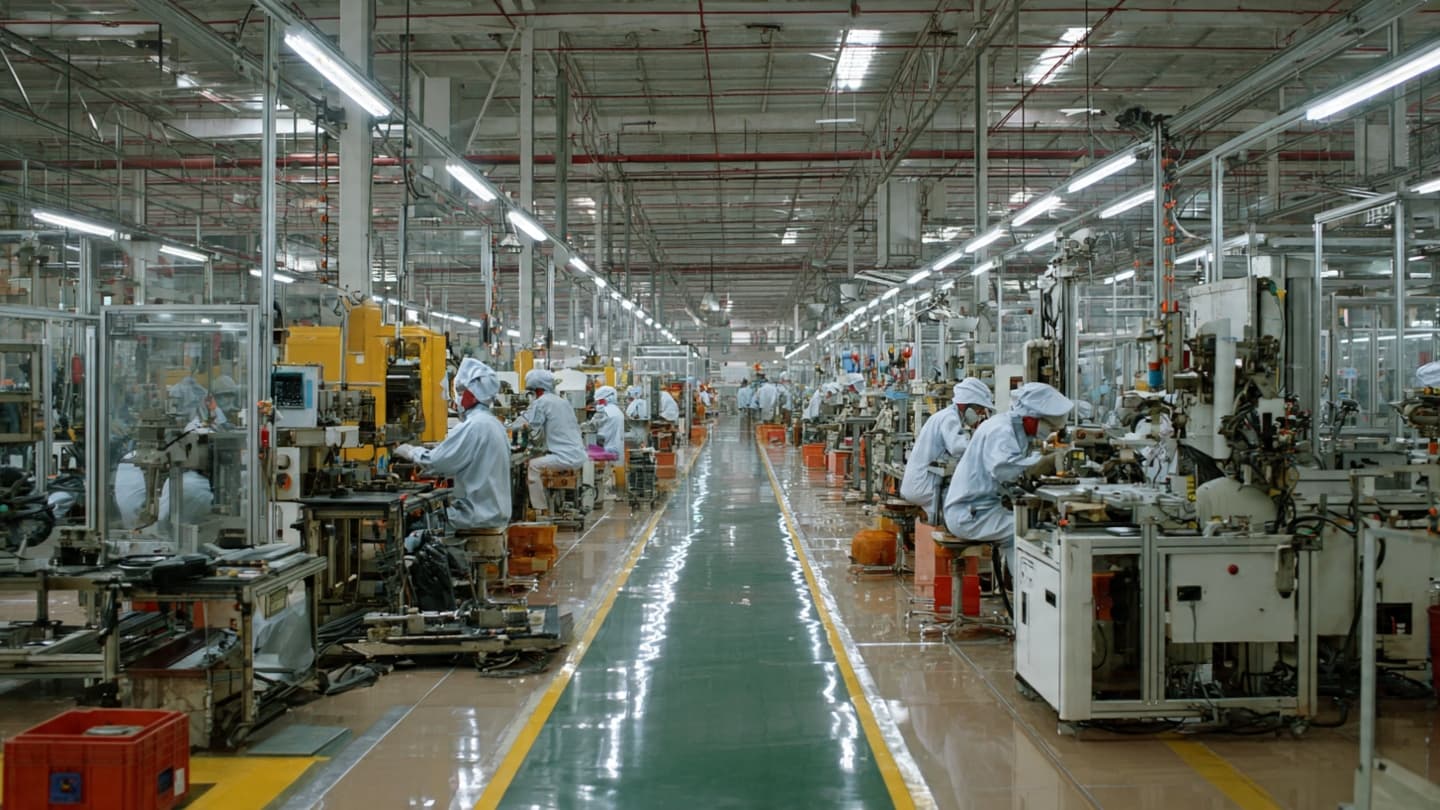
Across Indonesia’s industrial regions, factories continue creating movement through machines, workers, and networks of production. Behind every manufactured product is a connection between local communities and the wider global economy.
The manufacturing sector remains an important part of Indonesia’s economic development. Companies continue exploring ways to increase efficiency, improve technology, and strengthen competitiveness.
Investment in industrial facilities has supported the growth of several sectors, including automotive, electronics, food processing, and consumer goods.
Global supply chain changes have encouraged companies to reconsider production strategies. Indonesia has become one location attracting attention because of its resources, workforce, and growing industrial capacity.
Technology has also become increasingly important. Automation and digital systems are being introduced to improve productivity and help companies respond to market demands.
For workers, industrial transformation brings new opportunities as well as the need for updated skills. Training and adaptation have become important elements of the changing workplace.
Manufacturing growth also influences supporting industries, from logistics providers to local suppliers.
Indonesia continues developing its industrial landscape while balancing investment opportunities with long-term economic goals.
Companies and policymakers continue observing global conditions as manufacturing becomes a key part of Indonesia’s future economic direction.
AI Image Disclaimer Visuals are AI-generated conceptual illustrations and are not real photographs.
SEO Slug indonesia-manufacturing-industry-growth-global-supply-chain
Hashtags #Indonesia #Manufacturing #Industry #Business #Economy
Sources Reuters World Bank Asian Development Bank Jakarta Post
Published by Banx Network. This article is part of the Banx decentralized media programme, powered by the BXE token on the XRP Ledger.