China's healthcare sector continues exploring new applications for artificial intelligence as hospitals and medical technology companies seek to improve efficiency and diagnostic support.
Recent discussions at the World Artificial Intelligence Conference highlighted growing interest in integrating AI into imaging analysis, workflow management, and clinical decision support systems.
Industry participants emphasized that healthcare requires a measured approach to AI adoption. Unlike other sectors, medical applications demand extensive validation and oversight before large-scale deployment.
United Imaging Intelligence, a major healthcare technology company, recently stated that it is intentionally avoiding an overly aggressive rollout of AI products despite strong industry enthusiasm.
Executives noted that patient safety remains the primary consideration, particularly in areas such as medical imaging and diagnostic assistance where accuracy is critical.
Hospitals across China continue evaluating how AI can support physicians by reducing administrative burdens and improving access to medical information.
Healthcare experts also point to the importance of governance frameworks that ensure transparency, accountability, and clinical reliability as adoption expands.
The broader trend reflects China's ambition to combine advanced technology with healthcare modernization while maintaining safeguards around patient care and medical decision-making.
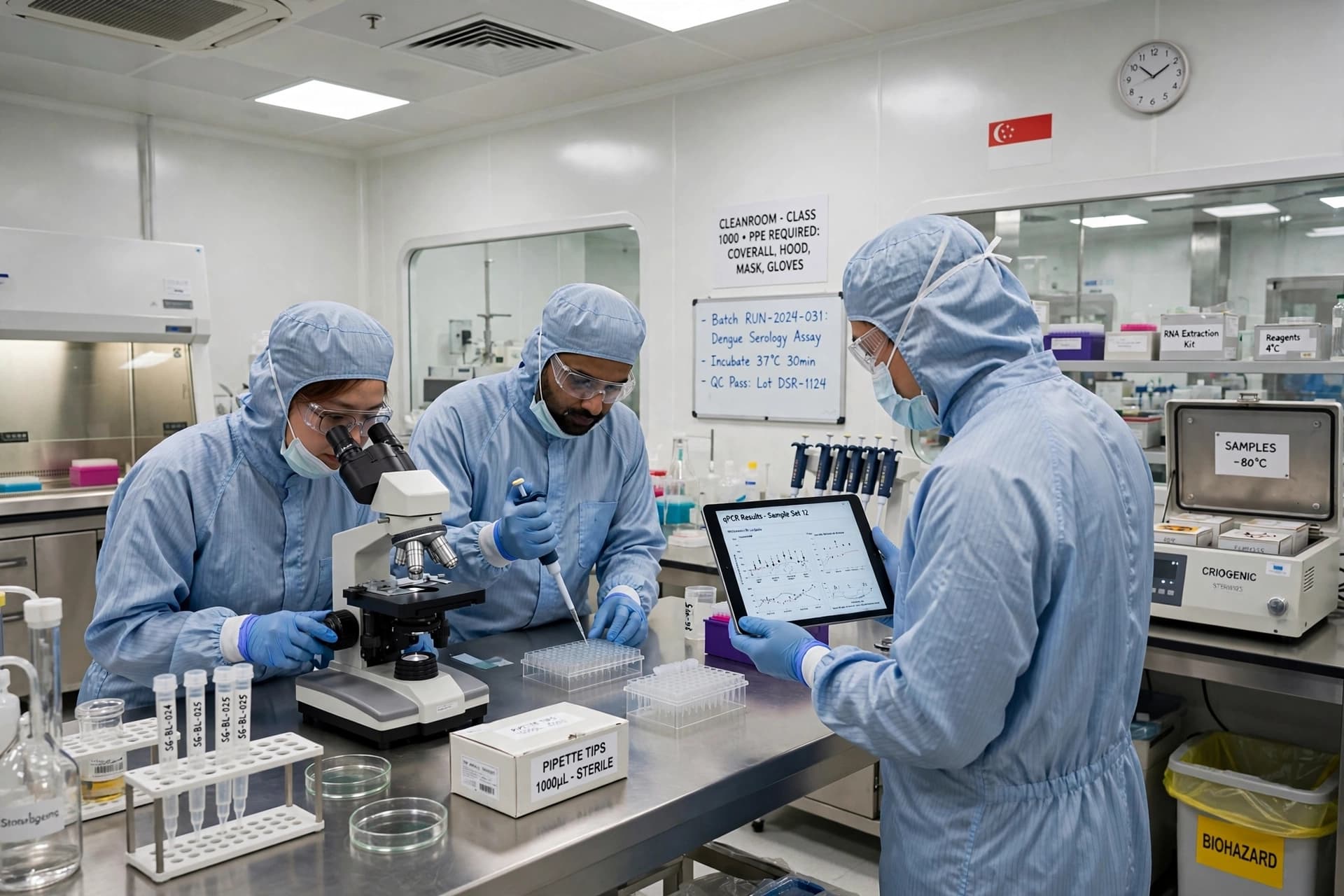
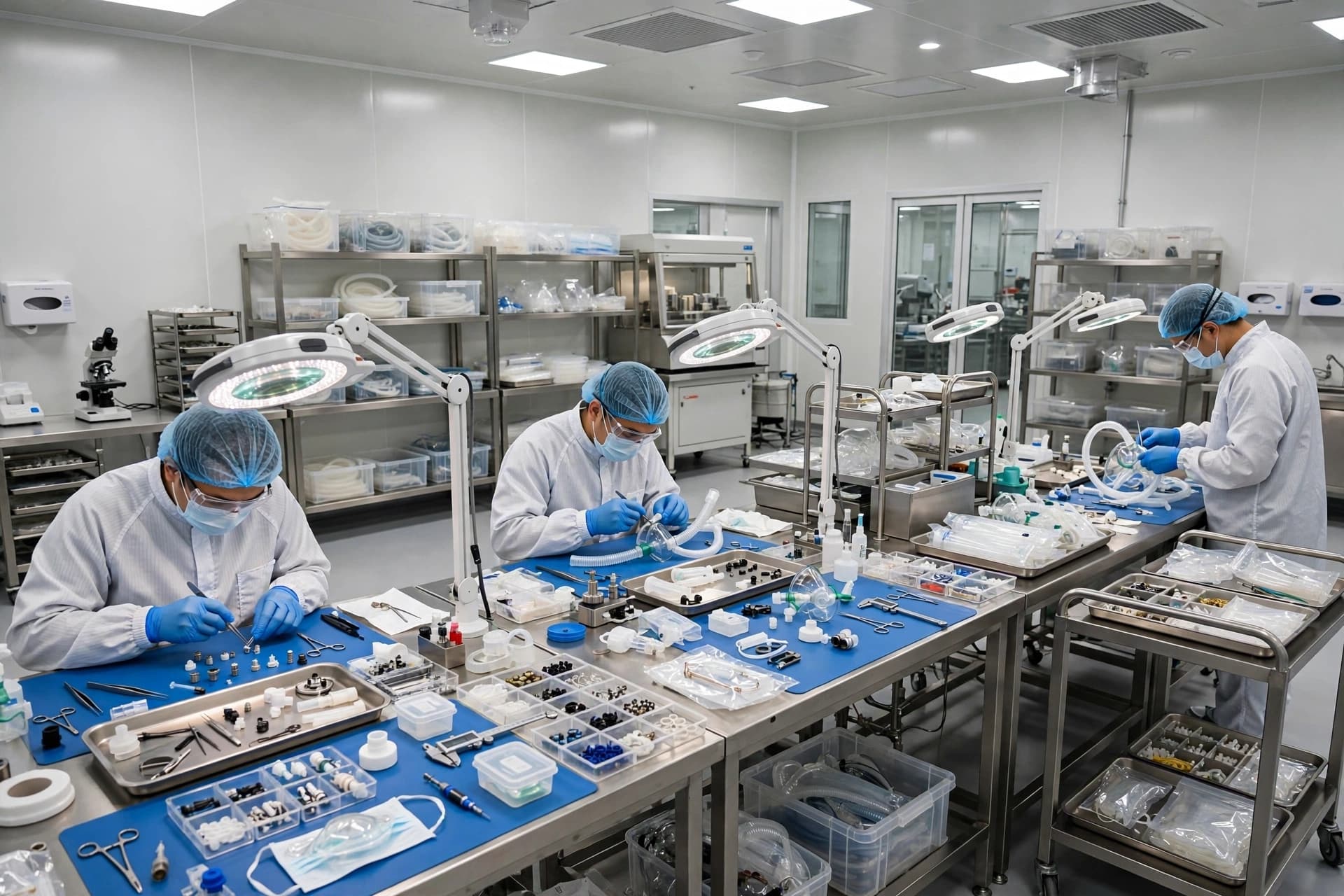
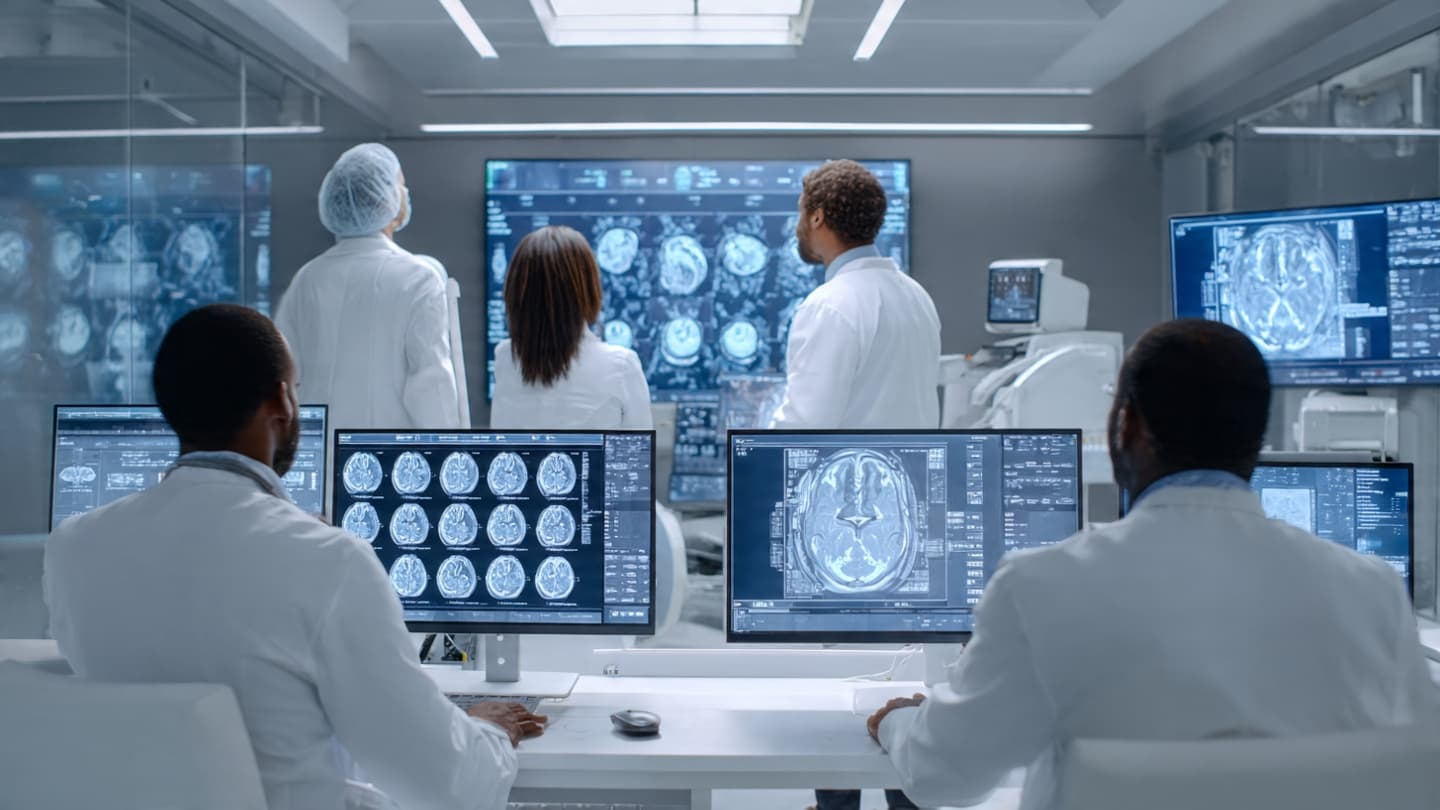
AI Image Disclaimer Visual concepts were generated with AI and are intended for illustrative purposes only.
Sources Reuters World Artificial Intelligence Conference
Published by Banx Network. This article is part of the Banx decentralized media programme, powered by the BXE token on the XRP Ledger.