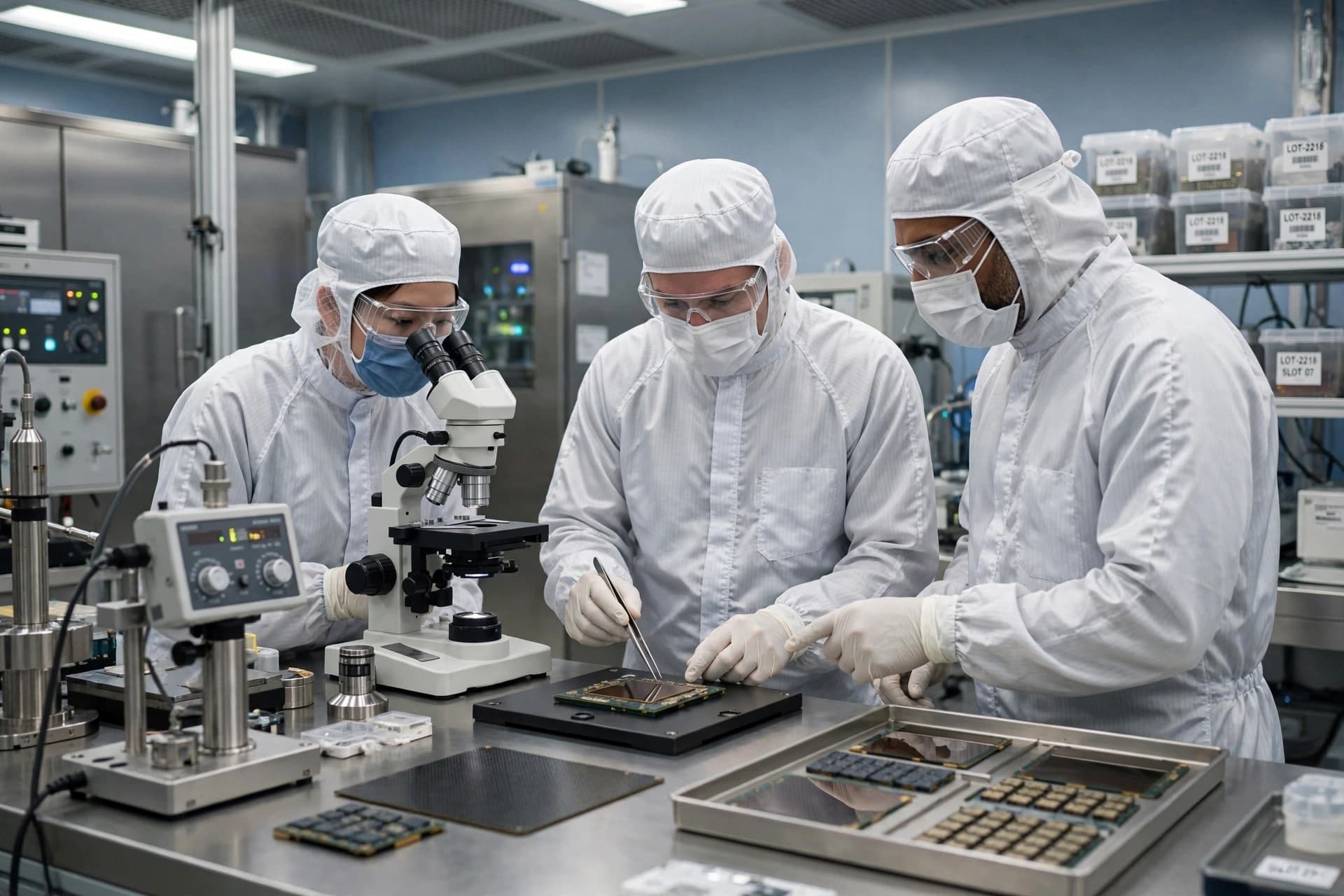
In an operating room, patient safety depends on more than the skill of the surgeon. The equipment used to position a patient, prepare an incision, protect staff, and maintain a sterile environment also contributes to the quality of care. Many of these devices are not the most visible part of a procedure, yet they form an important layer of protection around patients and medical teams.
On October 12, 2026, medical equipment company Steris announced an agreement to acquire Xodus Medical for $2.1 billion, according to Reuters. The acquisition would expand Steris's presence in healthcare consumables and specialized products used during surgical procedures.
Xodus Medical is known for its Pink Pad patient-positioning system, designed to help support patients during surgery. The company also offers products used in operating rooms, including electrosurgical accessories, anti-fog solutions for surgical lenses, and safety devices intended to reduce risks associated with sharp instruments. These products serve different purposes, but each is connected to the practical demands of surgical care.
Patient positioning is an important part of preparing for an operation. Depending on the procedure and its duration, healthcare teams must ensure that patients are supported appropriately and that pressure on vulnerable areas is managed. Specialized positioning devices can assist clinical teams, although their effectiveness depends on correct selection, use, and adherence to professional protocols.
Other operating-room products address the conditions under which surgeons and staff work. Surgical lenses can fog during procedures, potentially interrupting visibility, while sharp instruments require careful handling and disposal. Equipment designed to reduce these problems can support workflow and safety, but it must be used as part of a broader system that includes training, infection prevention, and established clinical procedures.
Steris already operates across several areas of healthcare technology, including sterilization systems and products used to maintain controlled medical environments. Adding Xodus Medical's portfolio could help the company offer a broader selection of products to hospitals and surgical centers. The combination may also allow it to use its existing distribution network to reach more customers.
The transaction reflects a broader pattern in the medical technology industry. Companies often seek growth by acquiring specialized manufacturers with established products and customer relationships. Rather than developing every new product internally, an established company can expand its range through acquisitions, though the long-term value depends on integration, customer retention, product performance, and financial discipline.
Reuters reported that the deal was expected to close by December 31, 2026, subject to regulatory approvals. Steris planned to finance the acquisition primarily through debt and anticipated approximately $300 million in cash tax benefits, reducing the net purchase price to about $1.8 billion. These are transaction expectations, and the final outcome will depend on the terms and completion of the deal.
Hospitals will ultimately judge medical products by whether they meet clinical needs reliably and at a reasonable cost. Procurement teams must consider purchase prices, compatibility with existing procedures, training requirements, and the evidence supporting product use. A wider product catalogue may provide convenience, but it does not automatically guarantee better patient outcomes.
Steris's planned acquisition of Xodus Medical highlights the importance of the equipment that supports surgery beyond the central act of an operation. Patient positioning, visibility, instrument handling, and sterile practice all contribute to the environment in which clinicians work. The broader opportunity lies in making these everyday processes more reliable while ensuring that commercial growth remains connected to practical improvements in healthcare delivery.
Published by Banx Network. This article is part of the Banx decentralized media programme, powered by the BXE token on the XRP Ledger.