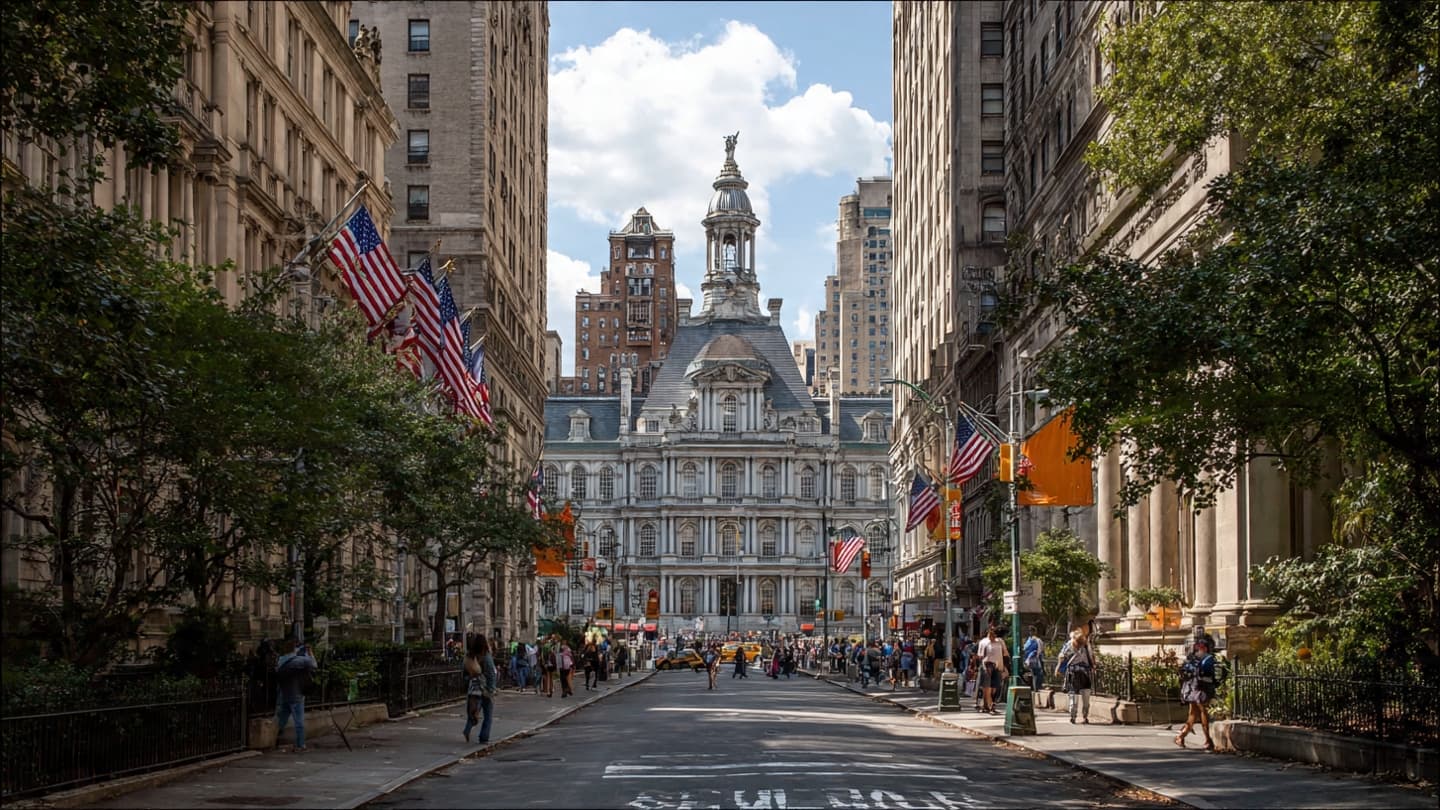
The avenues of New York often carry conversations from every corner of the world. Cafés, parks, and subway platforms become places where distant conflicts find unexpected voices, reminding observers that global events rarely remain confined to the landscapes where they begin. In one of the world's most international cities, debates about foreign affairs frequently become part of local political life.
That connection has drawn renewed attention after mayoral candidate Zohran Mamdani said he would seek to have Israeli Prime Minister Benjamin Netanyahu arrested if the Israeli leader were to visit New York while an arrest warrant issued by the International Criminal Court remained in effect. Mamdani argued that public officials should respect international legal obligations, while his remarks quickly prompted criticism from political opponents and reactions from leaders across the United States.
Supporters of Mamdani described the statement as a reflection of his long-standing views on international law and accountability. Critics, however, argued that the comments exceeded the practical authority of a municipal leader and risked further intensifying already sensitive political divisions surrounding the conflict in the Middle East. The discussion soon extended beyond New York, becoming part of a broader national conversation.
The controversy has also highlighted continuing divisions within the Democratic Party over U.S. policy toward Israel and the Palestinian territories. While many Democratic leaders continue expressing strong support for Israel's security alongside calls for humanitarian protections in Gaza, progressive voices have increasingly emphasized international legal mechanisms, civilian protection, and greater scrutiny of military actions. Those differing approaches have become more visible as the regional conflict has continued.
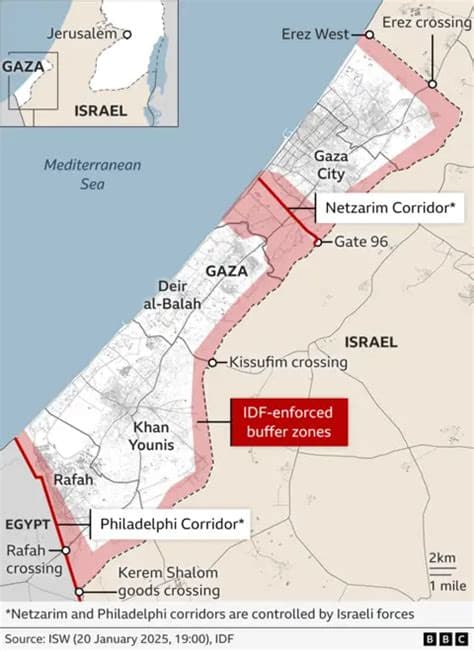
The International Criminal Court's decisions remain subjects of international debate. The court has issued arrest warrants connected to the conflict, while Israel rejects the court's jurisdiction over the matter. The United States is not a party to the Rome Statute that established the ICC, adding another layer of legal and diplomatic complexity to discussions about enforcement and international cooperation.
Legal scholars note that questions surrounding international warrants often involve overlapping domestic, international, and diplomatic considerations. Municipal governments generally possess limited authority over foreign policy, while issues involving visiting heads of government are typically addressed through national legal frameworks, diplomatic protocols, and federal institutions. As a result, the practical implications of such statements remain uncertain.
Beyond legal questions, the episode reflects broader political changes within the United States. Debates surrounding the Middle East have increasingly become defining issues for parts of the Democratic coalition, particularly among younger voters and progressive organizations. Differences that once remained largely internal now play out publicly, influencing campaigns, legislative priorities, and discussions about America's role abroad.
Political movements, much like cities themselves, evolve through conversations that are rarely simple. Statements made in one neighborhood can resonate across continents, while international conflicts often reshape domestic political identities in unexpected ways. The exchange surrounding Mamdani's remarks illustrates how local leadership and global affairs have become increasingly intertwined in an interconnected political landscape.
As another day settles over New York, the city's familiar rhythm continues beneath towering skylines and busy streets. The debate surrounding Mamdani's comments is likely to remain part of wider discussions about international law, diplomacy, and the future direction of American politics. Whatever conclusions emerge, the episode reflects a political landscape where questions of justice, sovereignty, and global responsibility increasingly share the same public stage.
AI Image Disclaimer: The accompanying illustrations were created using AI and serve as conceptual representations rather than authentic photographs.
Sources: Reuters, Associated Press, International Criminal Court, The New York Times, BBC News.
Published by Banx Network. This article is part of the Banx decentralized media programme, powered by the BXE token on the XRP Ledger.