Heat has always been treated as a byproduct — something to dissipate, regulate, or escape. It leaks from engines, chips, and bodies, an inevitable consequence of work being done. But in a laboratory at MIT, heat is being reconsidered not as waste, but as language.
Engineers at the institute have designed physical structures capable of performing computation using heat flow alone. Instead of relying on electricity, transistors, or software, these systems encode logic into the way materials conduct, block, and redirect temperature. In doing so, they suggest that computation can exist beyond circuits, embedded directly into matter.
The concept draws from the physics of heat transfer, where temperature differences move predictably through materials. By carefully arranging layers with different thermal properties, researchers can guide heat in ways that mimic logical operations. Hot and cold regions interact, combine, or cancel out, producing outputs that resemble the decisions made by conventional computers.
These structures do not calculate numbers in the traditional sense. They solve specific problems tied to their physical form, such as regulating temperature, responding to environmental changes, or optimizing energy flow. The computation is passive, continuous, and inseparable from the object itself.
This approach belongs to a broader field known as physical or embodied computing, where intelligence is distributed across materials rather than centralized in processors. A wall that redirects heat efficiently is not just insulating a building; it is, in a limited but meaningful way, computing the best path for energy to travel.
The implications are subtle but far-reaching. Heat-based computation could enable systems that operate where electronics struggle — in extreme temperatures, high radiation, or long-duration environments where power is scarce. Because the structures require no external energy to compute, they promise efficiency through design rather than control.
The work also challenges deeply held assumptions about what computation must look like. Modern computing has conditioned us to think in terms of speed, clocks, and digital precision. Thermal systems move slowly, blur boundaries, and embrace gradual change. Their strength lies not in rapid calculation, but in persistence and stability.
There are limits, of course. Heat-computing structures are specialized, not general-purpose machines. They cannot replace silicon chips or run complex software. But that is not their aim. Instead, they point toward a future where computation is distributed — woven into buildings, materials, and infrastructure, quietly shaping outcomes without ever switching on.
As the world searches for more sustainable ways to build and power technology, MIT’s work offers a different perspective. Perhaps intelligence does not always need to be fast or digital. Sometimes, it can arrive slowly, carried by warmth, moving through space, solving problems simply by being allowed to flow.
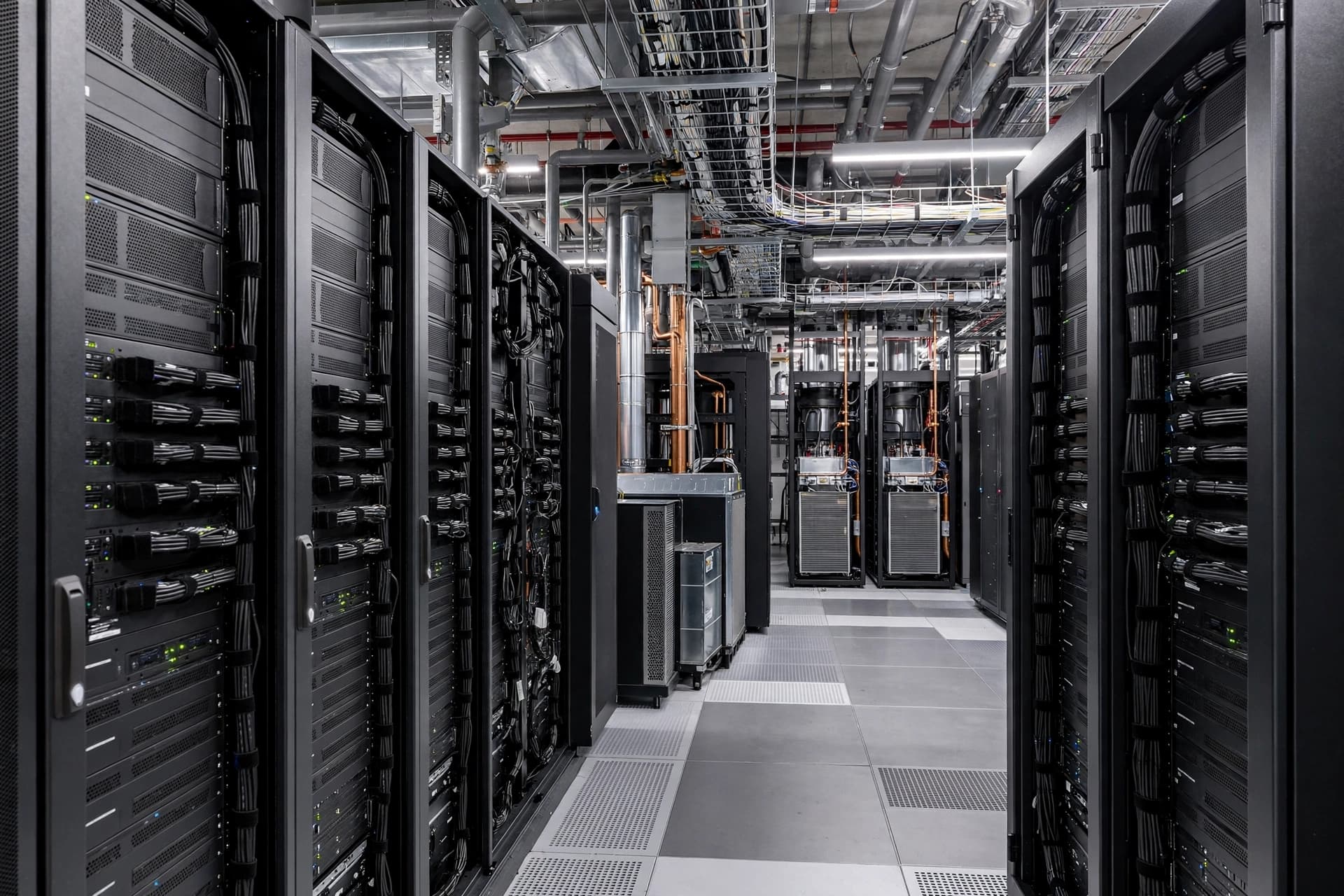
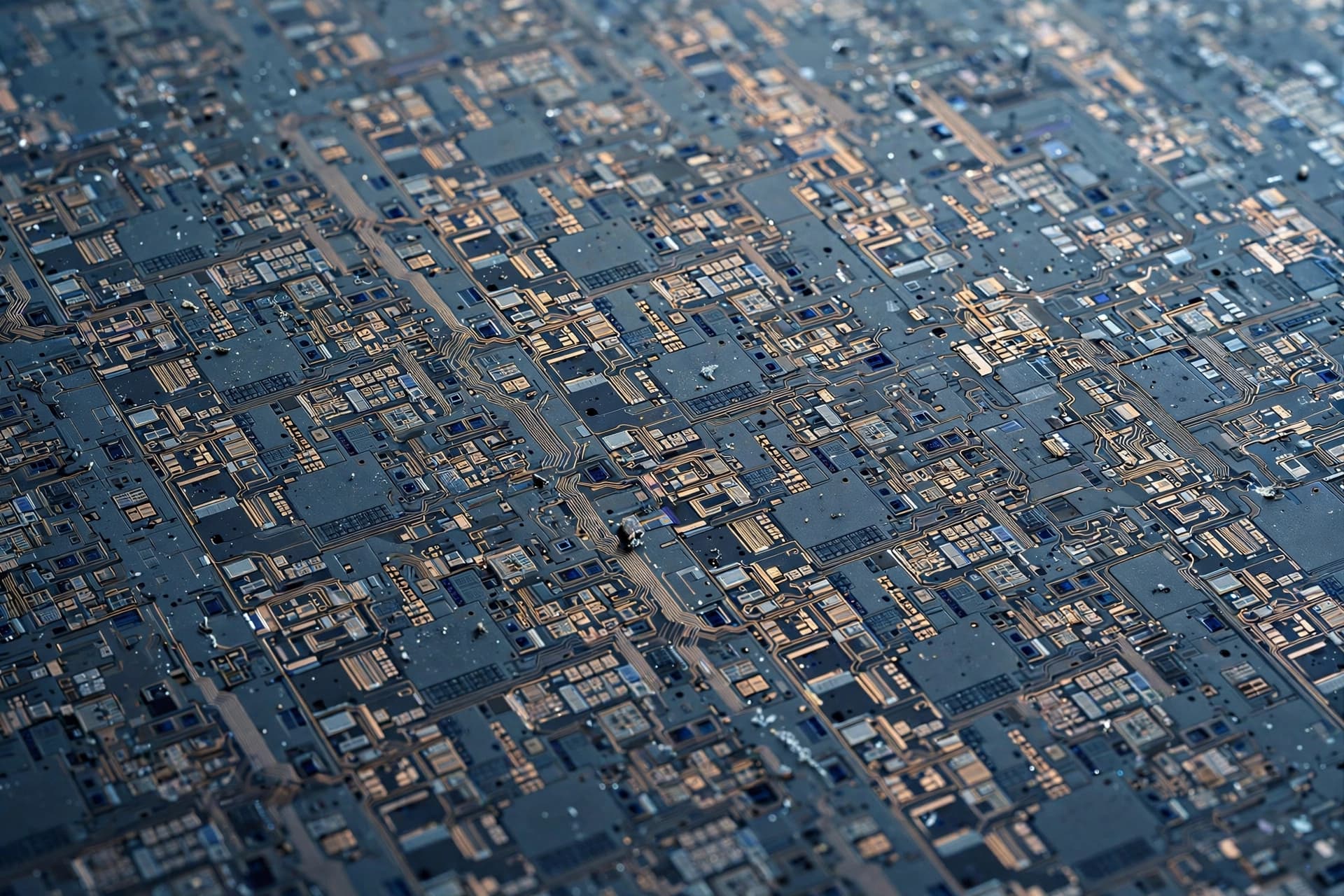
AI Image Disclaimer Visuals are AI-generated and serve as conceptual representations.
Sources MIT MIT News Nature Physics Physical Review Letters
Published by Banx Network. This article is part of the Banx decentralized media programme, powered by the BXE token on the XRP Ledger.