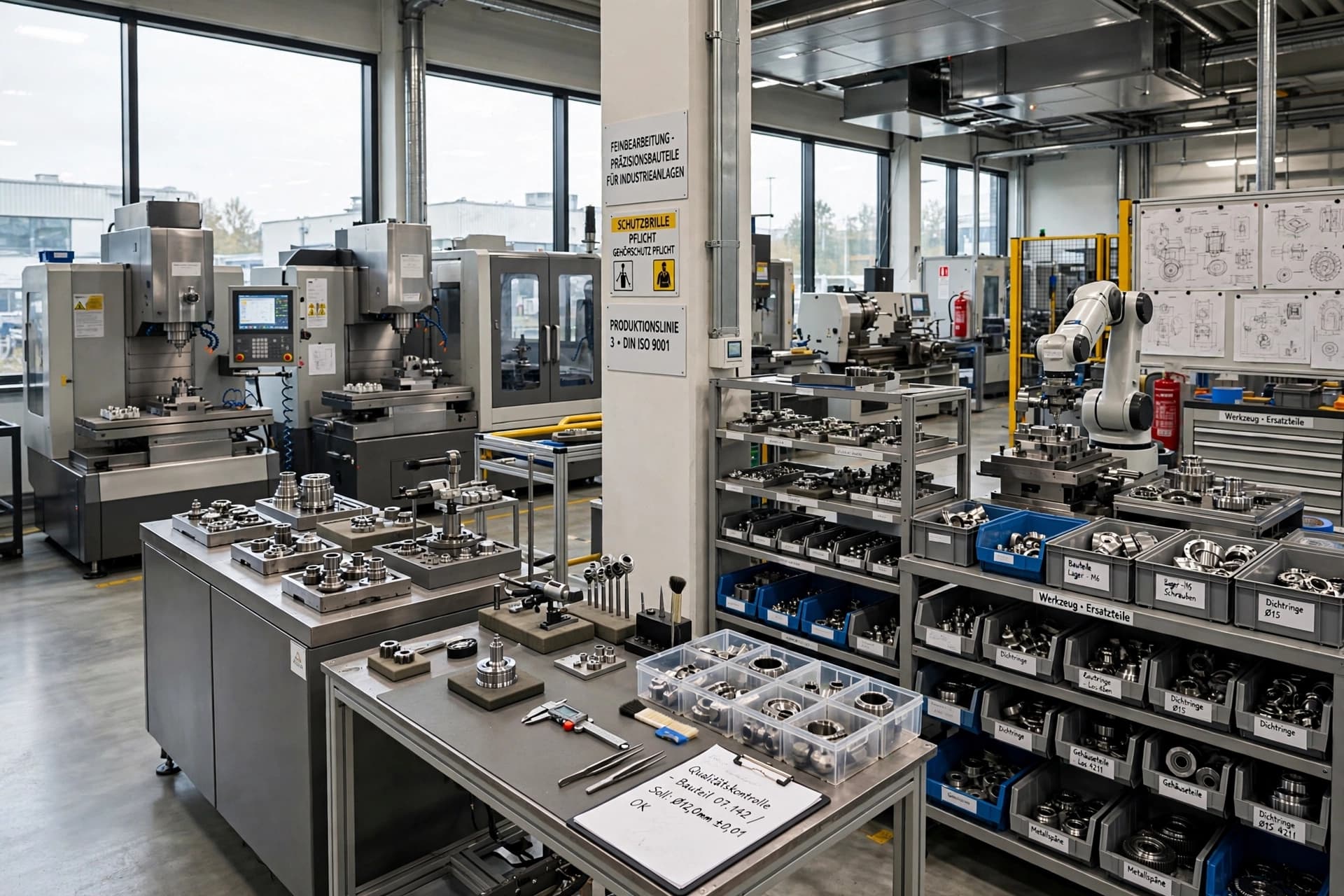
The most powerful computing systems often begin with objects that are almost impossibly small. Inside a semiconductor factory, intricate patterns are formed on silicon wafers through highly controlled manufacturing processes. Those tiny structures help power the servers, smartphones, and computing equipment that increasingly shape modern life.
Taiwan Semiconductor Manufacturing Company, commonly known as TSMC, was preparing to report another set of quarterly results as demand for artificial intelligence infrastructure continued to support its business. In a Reuters report published October 12, 2026, analysts expected the company to record its sixth consecutive quarter of record earnings.
Analysts surveyed by LSEG forecast third-quarter net profit of approximately T$746.3 billion, equivalent to about $23.4 billion. That would represent a 65% increase from the same period a year earlier. The figure was a forecast at the time of publication, rather than a confirmed final result, with the company's earnings announcement scheduled for October 15.
TSMC manufactures advanced chips for customers that design their own processors but rely on specialized facilities to produce them. Its customers include major technology companies such as Nvidia and Apple. The growing use of AI systems has increased demand for powerful processors and advanced packaging techniques that allow multiple components to work together efficiently.
One technology attracting particular attention is Chip-on-Wafer-on-Substrate, or CoWoS, an advanced packaging process used to integrate semiconductor components. As AI accelerators become more complex, packaging can be as important as the production of individual chips. Manufacturers must manage heat, electrical connections, and physical space while maintaining high performance and manufacturing yields.
TSMC had also reported that its third-quarter revenue increased 50% year over year, reaching a new record, according to Reuters. That revenue figure provided an early indication of the strength of demand, although profitability also depends on manufacturing costs, capital spending, product mix, and how efficiently the company operates its facilities.
Meeting demand requires extensive investment. TSMC had raised its forecast for 2026 capital expenditure to between $60 billion and $64 billion, Reuters reported. Semiconductor fabrication plants are extraordinarily expensive to build and equip, and they require years of planning, highly specialized staff, and reliable supplies of water, electricity, and manufacturing materials.
The company's expansion plans also extend to the United States. Reuters reported that TSMC was investing a total of $265 billion in Arizona manufacturing projects, including an additional $100 billion announced earlier in the year. Analysts were also watching whether the company might expand into Texas, although opinions differed over how urgently another location would be needed.
Strong demand does not eliminate the risks. Semiconductor production is vulnerable to supply-chain interruptions, manufacturing delays, changes in customer spending, and shifts in technology. AI-related investment has also raised questions about whether future revenue will justify the enormous costs of building computing infrastructure. If customers reduce their spending, chip manufacturers may eventually feel the effects.
TSMC's anticipated results illustrate how deeply the AI boom is connected to the physical foundations of computing. Software innovation attracts attention, but its development depends on advanced processors, packaging technology, and manufacturing capacity. The company's next results will help investors assess whether demand remains strong enough to support continued expansion, even as the industry faces rising costs and changing expectations.
Published by Banx Network. This article is part of the Banx decentralized media programme, powered by the BXE token on the XRP Ledger.