Foldable phones have always felt a little like origami in motion—glass and aluminum bending carefully along invisible creases, asking us to rethink what a screen can be. For years, the shape of that fold has defined the experience: tall and narrow on the outside, expansive and tablet-like within. Now, a subtle shift in proportion is beginning to draw attention, as if the industry has paused to reconsider the canvas itself.
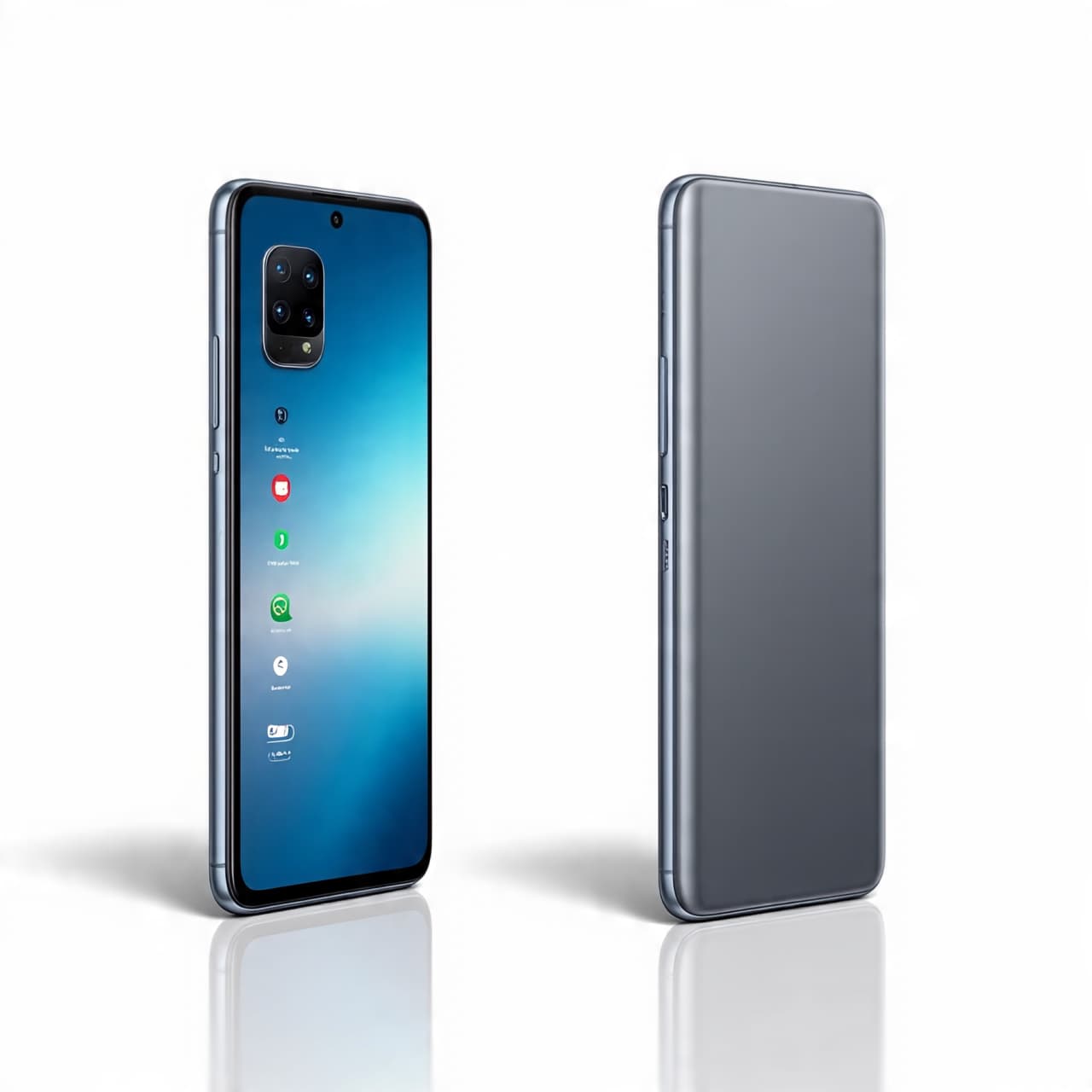
Samsung’s so-called “Wide Fold” has surfaced in early reports, hinting at a near-16:10 aspect ratio for its inner display—noticeably wider than the first Pixel Fold. It is not a dramatic reinvention, but rather a quiet recalibration. And sometimes, it is the smallest adjustments in proportion that reshape how a device feels in the hand.
According to coverage from major Android-focused outlets, the device appears to move away from the taller, narrower approach that characterized some earlier foldables. Instead, the wider inner screen leans closer to a traditional tablet proportion. A near-16:10 ratio suggests a display that feels more balanced for reading, browsing, and multitasking. It may offer a less cramped typing experience and more natural video framing, reducing black bars that often appear when content does not align perfectly with ultra-wide or ultra-tall formats.
Comparisons have quickly emerged with Google’s first-generation Pixel Fold, which already favored a wider outer display compared to competitors. Samsung’s rumored design, however, may extend that philosophy further. The change could signal an acknowledgment that usability—rather than novelty—has become the primary frontier in foldable design.
Industry observers note that aspect ratio plays a larger role than headline specifications often suggest. Processor speed and camera resolution dominate marketing materials, yet the geometry of a screen quietly dictates comfort. A wider foldable may sit differently in the palm, open with a slightly altered center of gravity, and feel more like unfolding a small book than stretching a tall scroll.
Reports indicate that the “Wide Fold” remains aligned with Samsung’s broader foldable strategy: refined hinge mechanisms, slimmer bezels, and incremental durability improvements. The hinge—always the silent protagonist in foldable engineering—continues to evolve toward minimizing creasing and increasing longevity. While detailed specifications remain limited, early leaks emphasize the shift in screen proportions as the defining characteristic.
There is also a competitive undertone to this development. The foldable segment has matured beyond experimentation. Brands now compete less on novelty and more on ergonomics, battery efficiency, and software optimization. A near-16:10 ratio may better accommodate split-screen multitasking and stylus support, areas where Samsung has historically invested significant development effort.
Still, the conversation remains measured. Aspect ratio adjustments do not guarantee success. Software optimization must follow hardware changes, ensuring apps scale smoothly and transitions feel seamless. The promise of a wider foldable only resonates if the experience remains intuitive and fluid.
As of now, Samsung has not formally unveiled a device under the “Wide Fold” name, and specifications may evolve ahead of any official launch. What has surfaced through industry reporting points to a thoughtful refinement rather than a dramatic departure. If realized, the wider display could represent a steady step toward making foldables feel less experimental and more essential.
For consumers watching the foldable landscape, the news suggests a continued emphasis on practicality. The next generation of devices may not shout their differences; they may simply feel more natural when opened. And perhaps that is the quiet ambition behind this wider fold—to make the act of unfolding less about spectacle, and more about comfort.
AI IMAGE DISCLAIMER Graphics are AI-generated and intended for representation, not reality.
SOURCES SamMobile Android Authority 9to5Google GSMArena The Verge
Published by Banx Network. This article is part of the Banx decentralized media programme, powered by the BXE token on the XRP Ledger.