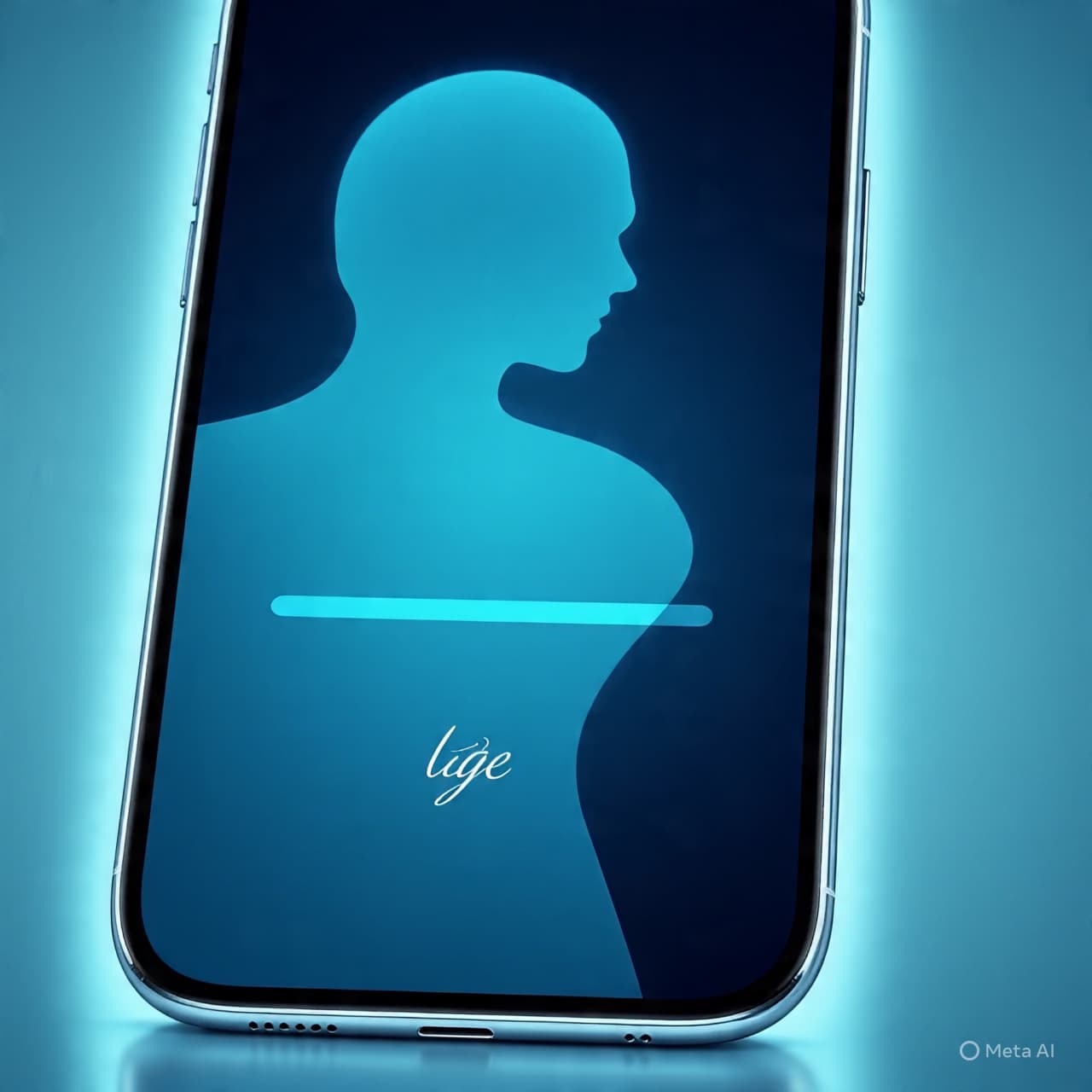
Music streaming thrives on personal taste — moods shaped by sound, rhythm, memories. For many users, their listening habits are intimate parts of identity. When Spotify introduced a “user-age” feature, however, that intimacy felt breached. Suddenly, listeners discovered that their age — just a number — could become a public label, turning playlists into demographic data, and private profiles into statistical snapshots.
The backlash was swift and heartfelt. For longtime users, music was a refuge, a universe where identity dissolves into chords. Now, for some, it feels like being reduced to a bracket. Had their taste become an algorithmic category before a human experience? Listeners worried this feature would lead to judgment, stereotyping, or even exclusion — all under the guise of “personalization” or “community”. A platform once trusted to respect privacy now felt intrusive.
Critics of the move argue it betrays the foundational promise of streaming: freedom. Streaming was meant to liberate music — letting people explore without expectation or label. When age becomes part of the mix, the freedom feels conditional, shaded by bias. Would curated playlists now adjust based on age brackets? Would concert recommendations follow age assumptions? The boundaries between user and consumer, art and analytics, began to blur — and for many, that was too high a price for convenience.
On the other side of the debate are those who see merit: better personalization, safer content filtering, or enhanced social features tied to demographic data. But even supporters admit the risk: by embedding age into the experience, Spotify risks turning listeners into metrics. Music becomes data. Taste becomes code. Connection becomes calculation.
At stake is more than a feature. It is the quiet architecture of how we listen, share, and belong. If a simple age marker can shift the tone of trust, then every recommendation, every share, every playlist becomes a question: “Who are you, exactly?” In that question lies the core outrage — because for many, their music was never meant to answer it.
Published by Banx Network. This article is part of the Banx decentralized media programme, powered by the BXE token on the XRP Ledger.