Oil begins its journey deep beneath the ground, but its final price is shaped by a much longer route. Between extraction and the fuel purchased by a driver or delivered to a factory, crude must travel through pipelines, ports, shipping lanes and refineries. When any part of that journey becomes more difficult, a recovery in production or exports may not immediately translate into lower costs.
A Reuters analysis published on October 5 highlighted this tension in the global energy market. Oil exports through the Strait of Hormuz had recovered to approximately 14.2 million barrels per day, or around 80% of pre-conflict levels. Yet prices remained above $100 per barrel, indicating that the availability of crude was only part of the wider equation.
The Strait of Hormuz is a major passage connecting oil-producing areas of the Persian Gulf with international markets. Changes in shipping through this route can affect the movement of energy supplies toward Asia and other importing regions. Even when tanker traffic begins to recover, however, shipping companies must consider the risks, expenses and time involved in moving cargo safely.
One important pressure comes from freight costs. When vessels face longer routes, operational uncertainty or limited availability, the price of transporting oil can rise. Reuters reported that tanker costs for journeys from the Middle East to Asia had exceeded $1.2 million per day in the circumstances examined by its analysis. Such expenses can affect the economics of moving energy even when the crude itself remains available.
Insurance is another part of the calculation. Shipping companies operating in higher-risk areas may face increased premiums, additional requirements or uncertainty over whether a voyage can proceed as planned. These costs can work their way through the supply chain, adding pressure to traders, refiners and ultimately the businesses that depend on fuel.
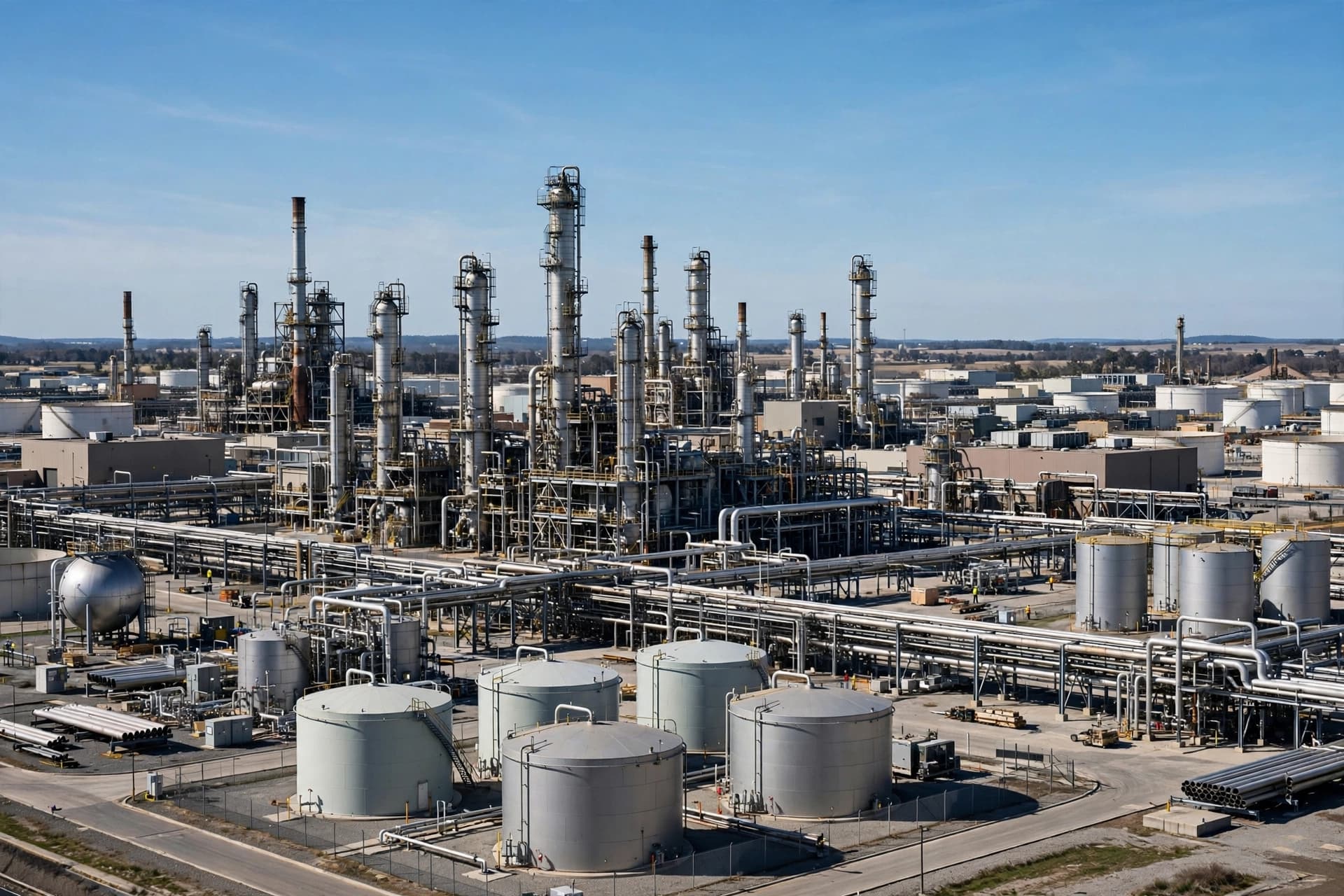
The refining process creates a further complication. Crude oil is not the same as the finished fuels used by vehicles, aircraft and industrial equipment. Refineries must process it into products such as gasoline, diesel and jet fuel. If refining capacity is disrupted or facilities operate below normal levels, the supply of particular fuels can remain tight even when crude exports improve.
That distinction helps explain why the energy market may respond slowly to improving shipping figures. A greater volume of oil leaving producing regions does not automatically mean that diesel is available in the right place, at the right time and at a price businesses can comfortably absorb. Transportation capacity, refinery operations, storage and distribution all influence the final result.
The consequences extend beyond the energy industry. Airlines, shipping operators, manufacturers and logistics companies must account for fuel costs when setting budgets and deciding whether to adjust prices. Businesses with limited flexibility may find it difficult to absorb repeated increases, while households can feel the effects through transportation expenses and the cost of goods moved across long distances.
For oil-importing economies, the difference between crude prices and the delivered cost of fuel can be particularly important. Governments and businesses may watch benchmark prices closely, but the actual impact also depends on exchange rates, taxes, local refining capacity and domestic distribution systems. No single indicator captures the full journey from an oil field to a fuel pump.
The broader lesson is that energy markets depend on more than the quantity extracted from the ground. Reliable transport, functioning refineries and predictable delivery schedules are equally important. As shipping flows recover, the pace of relief will depend on whether the surrounding network can return to more ordinary conditions. The oil may be moving again, but the road from supply to affordability remains longer than a single price chart can show.
### SEO Slug
`global-oil-prices-shipping-logistics-refining-costs`
### Hashtags
#OilMarket #EnergyPrices #GlobalTrade #OilSupply #Shipping #EnergyBusiness #WorldEconomy #BusinessNews
### Image Disclaimer
AI-generated illustrations are provided for visual context. They do not depict a verified photograph of the specific shipping or refinery events discussed in this article.
### Sources
\- Reuters
Published by Banx Network. This article is part of the Banx decentralized media programme, powered by the BXE token on the XRP Ledger.