Inside a factory, economic change often arrives quietly. An order that does not return, a production line running for fewer hours or a vacancy left unfilled can reveal pressures that are not immediately visible in broader financial headlines. In Russia, manufacturing data released on October 1 offered a glimpse of that slower rhythm, as companies continued to face weaker demand and reductions in employment.
The S&P Global Russia Manufacturing Purchasing Managers’ Index, or PMI, rose to 49.8 in September from 48.8 in August, according to Reuters. Although the reading improved, it remained below the threshold of 50 that separates expansion from contraction. The result suggested that the pace of deterioration had eased, but that the sector had not yet returned to growth.
Output declined for a second consecutive month. Manufacturers linked the reduction to weak demand and a softer flow of new orders. For a factory, orders are more than a number in a report: they help determine staffing needs, raw-material purchases, production schedules and the use of machinery. When incoming work becomes less predictable, managers may hesitate before committing to additional capacity.
New orders also fell for a second month in a row. Companies cited higher prices and competition among the pressures affecting demand. Businesses that face rising input costs may have limited room to reduce selling prices, while customers dealing with tighter budgets can delay purchases or seek alternatives. The resulting pressure can spread through suppliers and contractors as manufacturers adjust to changing conditions.
Export demand appeared particularly weak. Reuters reported that export orders declined for an eleventh consecutive month, with the pace of decline the sharpest since May 2022. The figure pointed to a persistent challenge for manufacturers seeking customers beyond their domestic market. International sales depend on several factors, including pricing, access to markets, transportation arrangements and the willingness of overseas buyers to place new orders.
Employment offered another sign of strain. Manufacturing employment declined for the tenth consecutive month, and the pace of job reductions was the fastest since May. Companies reportedly linked some of the reductions to not replacing employees who left voluntarily. Such a pattern can reduce staffing gradually rather than through a single large announcement, but it still reflects a cautious approach to future workloads.
Cost pressures remained part of the picture, although the survey indicated that they had eased to a three-month low. Inflation in manufacturers’ selling prices also slowed to its weakest pace since June. That moderation may provide some relief for businesses, but it does not automatically mean that demand is strengthening. Lower price pressure can coexist with weak sales when companies are trying to maintain competitiveness and keep orders moving.
Supply chains presented a separate challenge. The survey found that supplier delivery times lengthened to their greatest extent since October 2024, with transportation delays and logistical issues among the factors cited. Longer delivery times can complicate production planning, particularly when factories rely on components or materials arriving according to tightly scheduled timetables. Delays can leave equipment idle or force managers to revise delivery commitments.
There were, however, signs that manufacturers remained cautiously hopeful about the months ahead. Business optimism for the coming year rose to a three-month high, supported by hopes of stronger demand and new customers. Even so, confidence remained below the survey’s long-run average. Expectations of improvement can help companies prepare for a recovery, but they are not the same as confirmed orders or rising production.
The September figures describe an industrial sector still searching for steadier ground. A slightly improved PMI reading may indicate that contraction is becoming less severe, yet the continuing declines in orders, output and employment show that the recovery remains incomplete. For factories and the people who work in them, the next meaningful change will come when expectations begin to translate into sustained demand, more predictable production and a stronger reason to expand rather than simply preserve existing operations.
### SEO Slug
`russia-manufacturing-contraction-weaker-orders-job-cuts`
### Hashtags
#RussiaEconomy #Manufacturing #IndustrialProduction #BusinessNews #GlobalEconomy #FactoryJobs #PMI #WorldBusiness
### Image Disclaimer
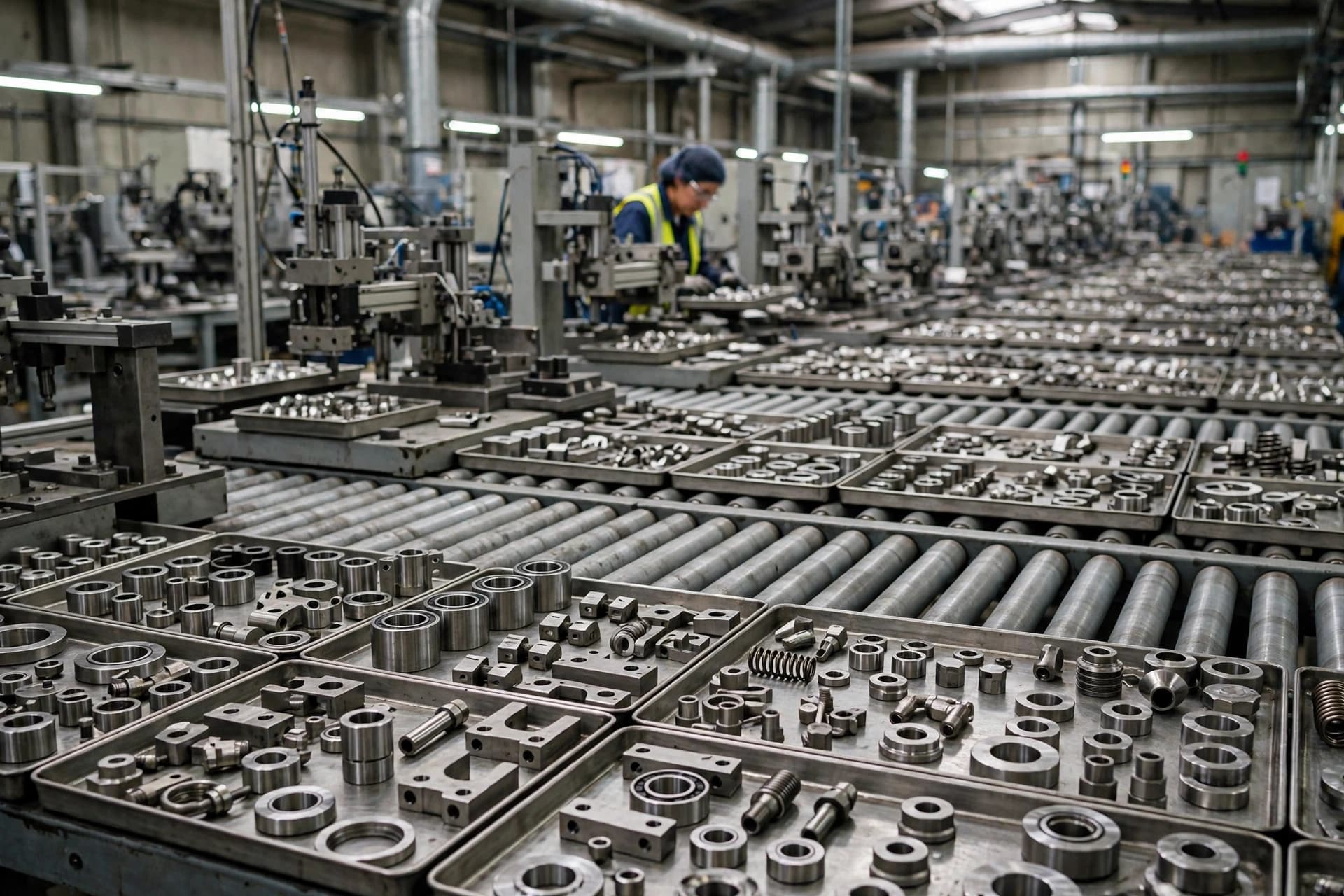
The illustrations are AI-generated visual representations of industrial settings. They are not photographs of specific Russian factories or identifiable workers featured in the reported survey.
### Sources
• Reuters
Published by Banx Network. This article is part of the Banx decentralized media programme, powered by the BXE token on the XRP Ledger.