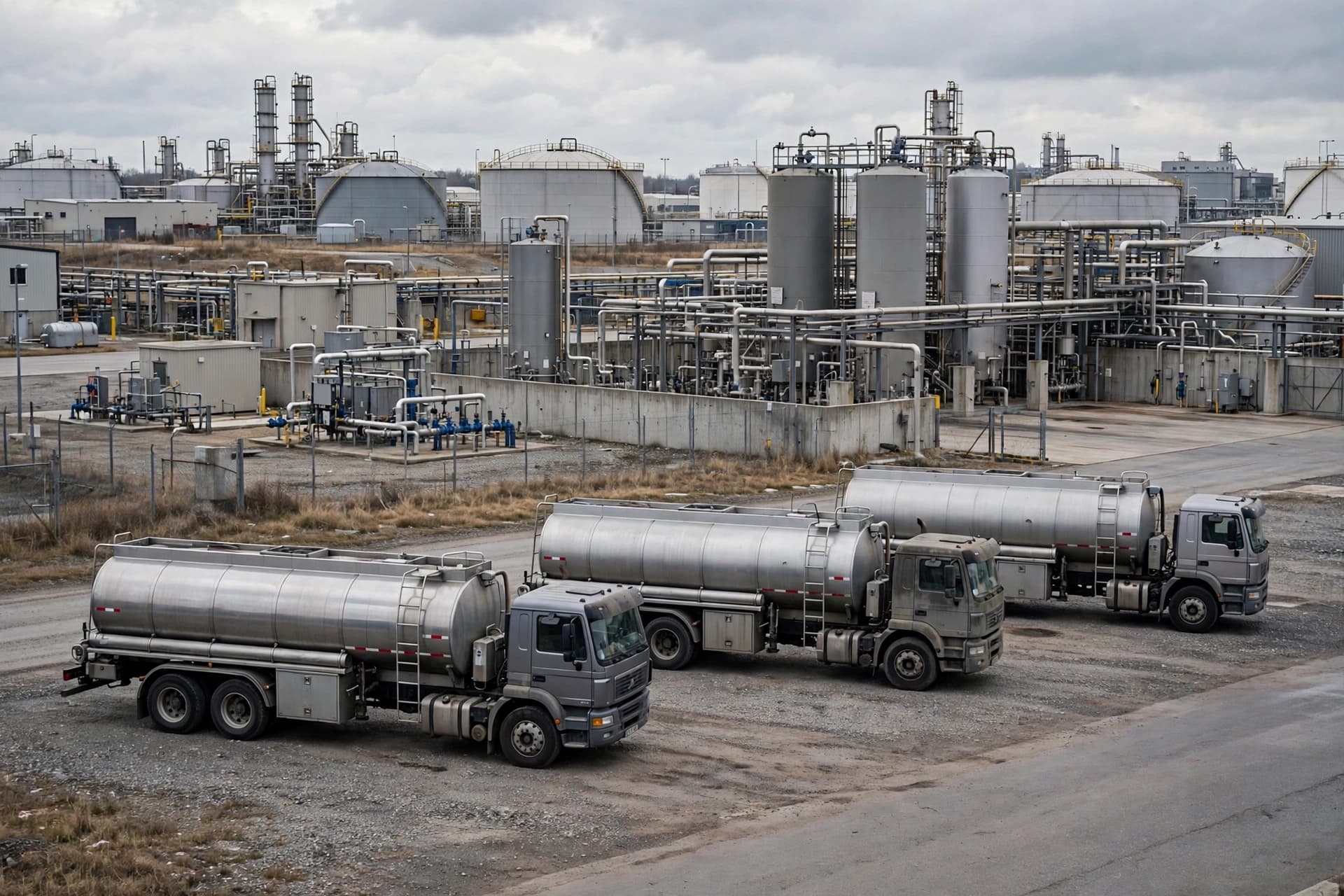
The global oil market is shaped by movement that often takes place far from the people who eventually pay for fuel. Tankers cross shipping lanes, pipelines carry crude across long distances, and refineries turn raw material into products used by households and businesses. A change in expectations at one point in this network can influence prices across the wider economy.
On Monday, October 12, oil prices declined after announcements from the United States raised hopes that additional supplies could reach the market. Reuters reported that Brent crude fell to around $103.18 per barrel, while U.S. West Texas Intermediate dropped to approximately $90.31. The declines followed a period of heightened concern about disruptions to global energy flows.
Expectations about supply can move prices even before additional barrels arrive. Traders assess announcements, shipping conditions, production levels, and the likelihood that planned deliveries will proceed. If the market believes more oil or refined products will become available, prices may fall as expectations of a shortage ease.
The announcement of additional diesel supplies from Russia was one factor influencing sentiment. Reuters reported that U.S. President Donald Trump said Russia would provide more than 300,000 metric tons of diesel, with further shipments planned for November and beyond. The potential deliveries offered some reassurance to buyers concerned about tight supplies of refined fuels.
Yet a single announcement does not resolve every supply concern. Traders must consider whether deliveries can be completed, how quickly products will reach buyers, and whether other disruptions will offset the additional volume. Energy markets can respond rapidly to changing expectations, but the physical movement of fuel depends on infrastructure, shipping schedules, and commercial arrangements.
Regional security remained another source of uncertainty. Reuters reported that attacks and threats affecting the Middle East continued to raise concerns about energy transportation, including tanker movements near the Strait of Hormuz. This narrow waterway is a major route for international oil shipments, making its security important to producers, shipping companies, and importing countries.
The distinction between crude oil and refined products also matters. Crude must be processed into fuels such as diesel and gasoline before it can meet many consumer and industrial needs. Even when crude supplies improve, limited refining capacity or disrupted product exports can keep the market for finished fuels under pressure.
For businesses, changes in oil prices can influence transportation expenses, manufacturing costs, aviation fuel bills, and the price of moving goods. A sustained decline may ease some of these pressures, but companies do not always pass savings to customers immediately. Existing contracts, inventories, taxes, and currency movements can affect how quickly lower market prices reach the retail level.
Households experience the same uncertainty through fuel purchases, commuting, delivery charges, and the prices of goods that depend on transport. When oil prices rise, these costs can gradually build across the economy. When prices fall, the relief may arrive unevenly, depending on local pricing systems and how long the decline continues.
Oil’s movement on October 12 offered a measure of relief to markets, but it did not establish a lasting downward trend. The next direction will depend on actual supply, shipping conditions, global demand, and the durability of the developments that encouraged prices to ease.
For energy consumers, the most important question is not simply whether prices fall on one trading day. It is whether the supply chain can become more predictable over time, allowing businesses and households to plan with less uncertainty.
SEO Slug: `oil-prices-fall-global-supply-outlook-october-2026`
Hashtags: #OilPrices #EnergyMarkets #BrentCrude #Diesel #GlobalBusiness #EnergySupply #EconomicNews
Image Disclaimer
The illustrations are AI-generated conceptual representations of oil transportation and energy infrastructure. They are not photographs of the specific shipments or market events described.
Published by Banx Network. This article is part of the Banx decentralized media programme, powered by the BXE token on the XRP Ledger.