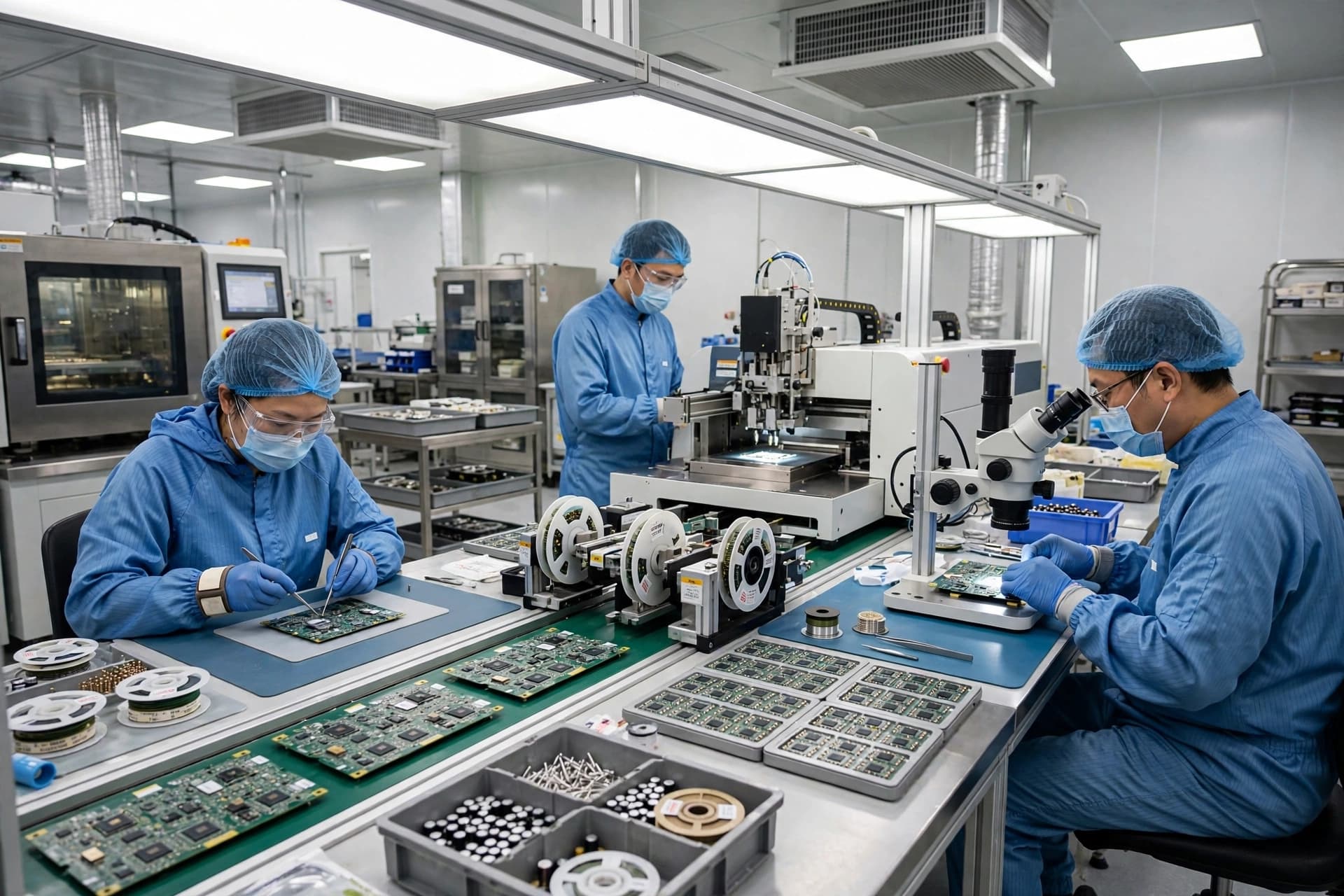
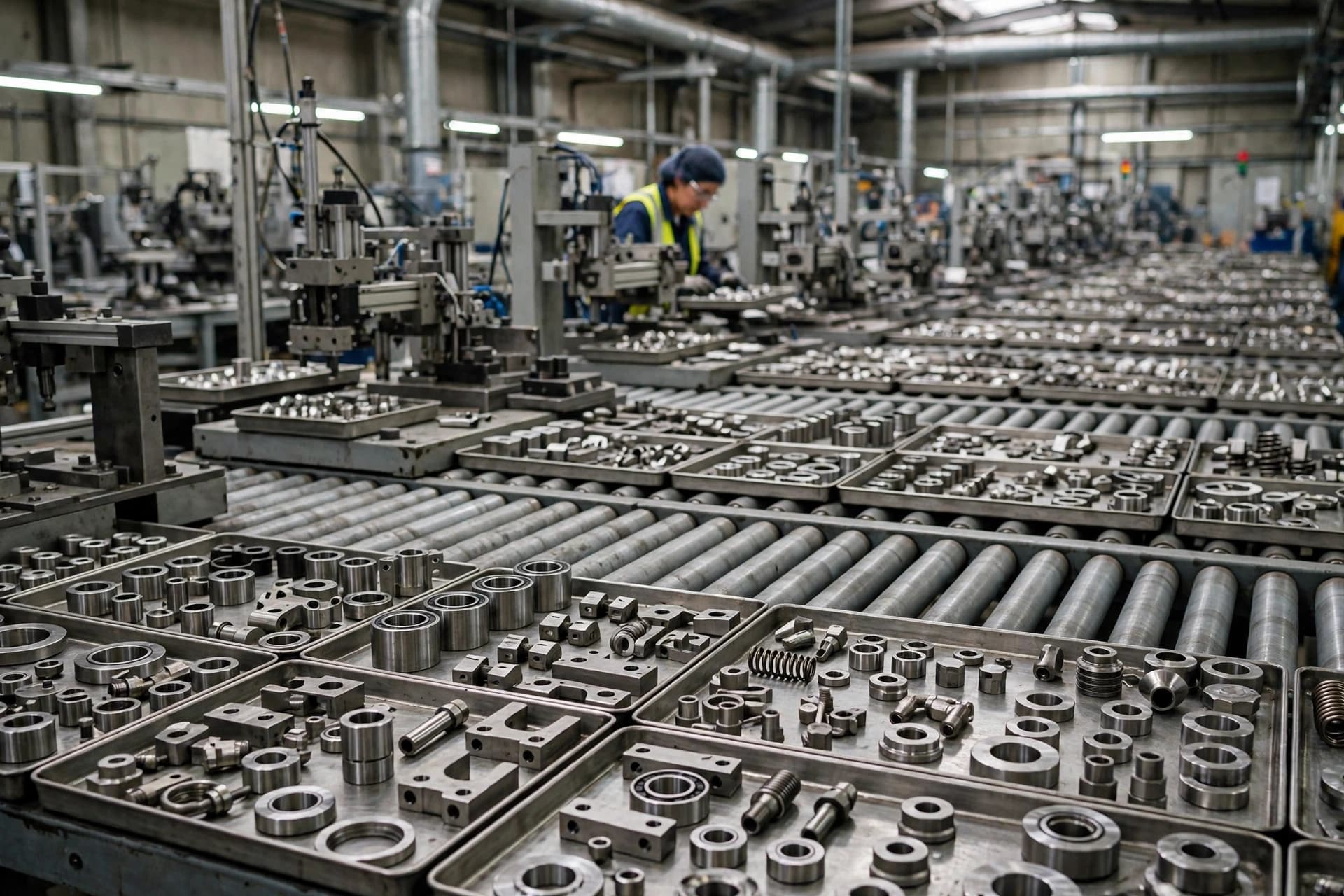
In the soft early light of a new technological day, a subtle yet profound handshake echoed through industry corridors — one between the American powerhouse Nvidia and some of South Korea’s most storied industrial names. It was not a dramatic flourish but a measured nod: the kind of gesture that carries weight because of what lies beneath. Korea’s factories, server farms, chip fabs and cloud centres are stirring. Nvidia now promises to supply over 260,000 of its advanced GPUs to the country’s ecosystem, signaling a shift from lab trials to broad industrial deployment.
At the heart of the story are the partners: Samsung Electronics, SK Group, Hyundai Motor Group and Naver Corporation. Each brings a different strength. Samsung, dominant in memory and semiconductors, is reportedly negotiating with Nvidia over next-generation memory and AI chips. SK is building what it calls an AI‐cloud for industry. Hyundai aims to use Nvidia’s compute platforms for autonomous vehicles and smart factories.Naver, portfolio of web, cloud and AI models, will harness the development of “physical AI” — where hardware, software and industry converge.
The numbers are striking: of the 260,000+ GPUs, about 50,000 are earmarked for public-sector initiatives in Korea (foundational AI models, national infrastructure) while the remainder go to the private firms.The chips in question are the latest Blackwell-era units built for massive AI workloads. Why Korea? The country is fast positioning itself as a global AI hub — from memory, semiconductors and manufacturing to cloud, mobility and smart infrastructure. This accord with Nvidia strengthens that ambition.
What happens next matters. These chips will power everything from data centres that train large language models, to factories that operate with digital-twins, to vehicles that compute autonomously. For Samsung and SK, the memory business is booming because of this demand. For Hyundai and Naver, the frontier is no longer just software but embedding AI deep into physical systems. Yet, challenges linger — supply chain constraints, geopolitical pressure (notably from U.S.–China export controls), and the sheer scale of integrating AI into legacy industrial ecosystems.
Nonetheless, the tone here isn’t about risk but renewal. As Nvidia opens this chapter with Korea, we see a convergence of compute and industry, design and real-world machinery. Factories may hum, vehicles may think, data centres may breathe — all underpinned by the silicon and systems negotiated today.
Visuals are created with AI tools and are not real photographs.
Published by Banx Network. This article is part of the Banx decentralized media programme, powered by the BXE token on the XRP Ledger.