On October 12, 2026, International Monetary Fund Managing Director Kristalina Georgieva said investment in artificial intelligence infrastructure was helping keep global economic growth around 3%. Speaking as IMF and World Bank meetings began in Bangkok, she highlighted the opportunities emerging for Asian economies that supply chips, electronic components, and other technology hardware.
The expansion reaches beyond the companies developing AI models. Data centers require processors, memory chips, cooling systems, electricity, networking equipment, and specialized construction. As technology firms invest in these facilities, demand can spread to manufacturers and suppliers across several countries, connecting local factories to a worldwide cycle of digital investment.
Asia is particularly important in this chain. Economies with established electronics industries can benefit when demand rises for advanced semiconductors and related components. Thailand and other regional suppliers may gain from increased investment, while countries with more specialized manufacturing capabilities can find new opportunities in the production of hardware needed for AI systems.
The IMF’s assessment suggested that the AI investment wave could provide a meaningful lift to growth in parts of Asia. Georgieva said advanced Asian economies could see growth boosted by as much as one percentage point, while emerging Asian economies could receive a lift of up to 0.8 percentage points. These were potential effects, not guaranteed outcomes, and their size would depend on how investment translated into productive activity.
Yet the benefits are unlikely to be distributed evenly. Countries with strong manufacturing networks, reliable electricity, skilled workers, and access to capital may be better positioned to capture new demand. Others could find it harder to participate, particularly if they lack the infrastructure or technical expertise needed to support large-scale computing operations.
The labor market is another important part of the discussion. Artificial intelligence can help workers complete tasks more quickly, support research, and improve services in fields such as healthcare and agriculture. At the same time, automation may reduce demand for certain tasks or alter the skills employers expect from new recruits. The IMF has warned that AI could affect around 40% of jobs worldwide, although the effects will vary widely between occupations and countries.
For younger workers, these changes may be especially significant. Entry-level roles often provide the first opportunity to gain professional experience, learn workplace routines, and develop practical judgment. If companies automate some of those tasks, education and training systems may need to adapt so that new workers can still build the skills required for more advanced responsibilities.
There is also the question of productivity. Large investments in computing equipment do not automatically lead to equally large improvements in economic output. Businesses must integrate new systems into their operations, train employees, protect sensitive data, and measure whether the technology genuinely improves results. The gains may take time to appear, even when spending rises quickly.
Energy and infrastructure create additional constraints. Data centers consume substantial electricity and require reliable cooling and connectivity. As computing demand increases, governments and companies must consider how to expand power supply and network capacity while managing costs and environmental impacts. These practical requirements can influence where new facilities are built and how quickly they become operational.
The AI boom is therefore both an investment story and a broader economic transition. It is creating demand for hardware and infrastructure today while raising questions about productivity, employment, and access to future opportunities. The global growth outlook may benefit from this spending, but the durability of those gains will depend on whether businesses and societies can turn technological capacity into lasting economic value.
SEO Slug: `artificial-intelligence-investment-global-growth-asia-october-2026`
Hashtags: #ArtificialIntelligence #GlobalEconomy #AIInvestment #Semiconductors #AsiaBusiness #Technology #EconomicGrowth
Image Disclaimer
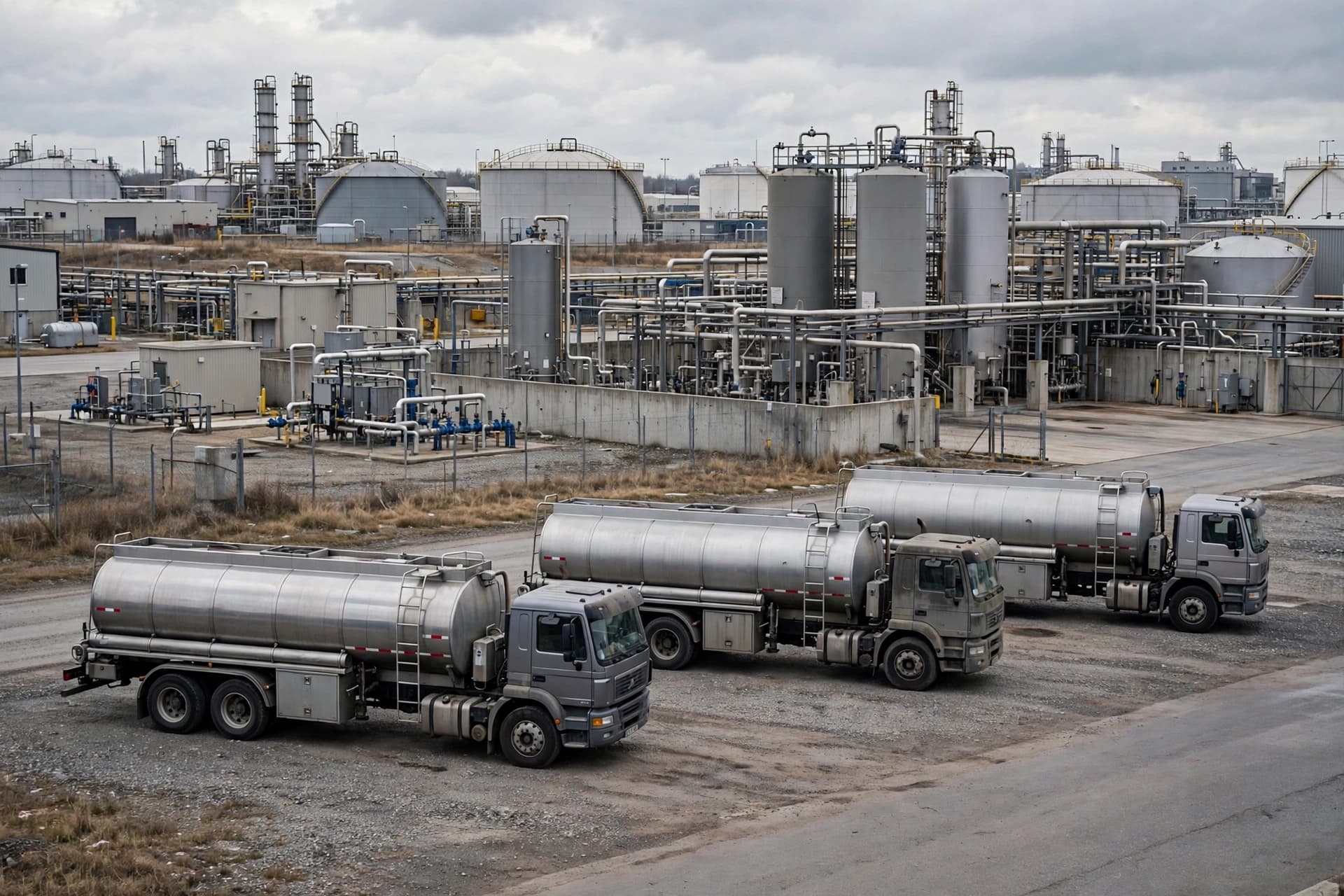
The illustrations are AI-generated conceptual representations of artificial intelligence infrastructure and technology manufacturing. They do not depict specific companies, facilities, or events referenced in the article.
Published by Banx Network. This article is part of the Banx decentralized media programme, powered by the BXE token on the XRP Ledger.