In Jakarta, financial activity often unfolds quietly behind office windows and digital banking screens. Payments move between accounts, businesses arrange credit, and households manage their daily expenses. These transactions may appear routine, yet their reliability depends on a financial system able to withstand changes in global markets and domestic economic conditions.
Indonesia’s Financial Services Authority, known as OJK, assessed the country’s financial sector as stable in September 2026 despite uncertainty in international markets. The authority released its assessment following a meeting of its Board of Commissioners on September 30, with the announcement published on October 8.
The assessment came at a time when global growth remained exposed to several pressures. Higher energy prices, tighter monetary conditions, and geopolitical uncertainty were influencing financial markets around the world. For an economy connected to international trade and investment, these developments can affect borrowing costs, business confidence, currency movements, and the price of imported goods.
Inflation is one of the main channels through which external pressures can reach households. Higher oil prices can raise transportation and production expenses, while unfavorable weather can affect food supplies and agricultural commodities. If these costs persist, businesses may pass part of the increase to consumers, reducing the purchasing power of household incomes.
Indonesia’s financial institutions must also respond to changing interest-rate conditions. Banks consider the cost of funding, the creditworthiness of borrowers, and the risks associated with lending. When borrowing becomes more expensive, companies may delay expansion and households may reconsider major purchases. Careful credit assessment can help maintain stability, although overly restrictive lending can also make it harder for viable businesses to finance growth.
The authority’s assessment noted that global investment and trade related to artificial intelligence were helping support economic activity. Demand for digital infrastructure can create opportunities for technology companies, manufacturers, and financial-service providers. Yet the sustainability of that momentum remains uncertain when inflation and energy costs are rising at the same time.
For Indonesia, financial stability matters because banks and capital markets help channel savings toward productive investment. Businesses rely on financing to purchase equipment, expand operations, and manage working capital. Households depend on payment systems and financial services to receive income, save money, and meet obligations. Disruptions in these systems can affect economic activity far beyond the financial sector itself.
Stability does not mean that every borrower faces easy conditions or that every financial institution is free from risk. A system can remain broadly sound while individual households struggle with expenses or businesses encounter slower demand. Regulators therefore need to monitor the quality of lending, liquidity, market exposure, and the ability of institutions to withstand unexpected shocks.
Digital financial services add another dimension. Mobile banking and electronic payments can make transactions faster and broaden access, but they also require effective consumer protection, cybersecurity, and oversight. As more economic activity moves through digital channels, confidence depends not only on financial strength but also on the reliability and security of those services.
The OJK assessment offers reassurance about the sector’s overall condition, while also recognizing that global uncertainty continues to shape the outlook. Indonesia’s financial institutions will need to remain attentive to inflation, international interest rates, and changes in business demand as the year progresses.
A stable financial system provides an important foundation, but it is not an end in itself. Its wider value lies in helping households and businesses make plans with greater confidence, even when conditions beyond the country’s borders remain difficult to predict.
SEO Slug: `indonesia-financial-sector-stability-global-pressures-september-2026`
Hashtags: #Indonesia #OJK #FinancialStability #Banking #IndonesianEconomy #Inflation #BusinessNews
Image Disclaimer
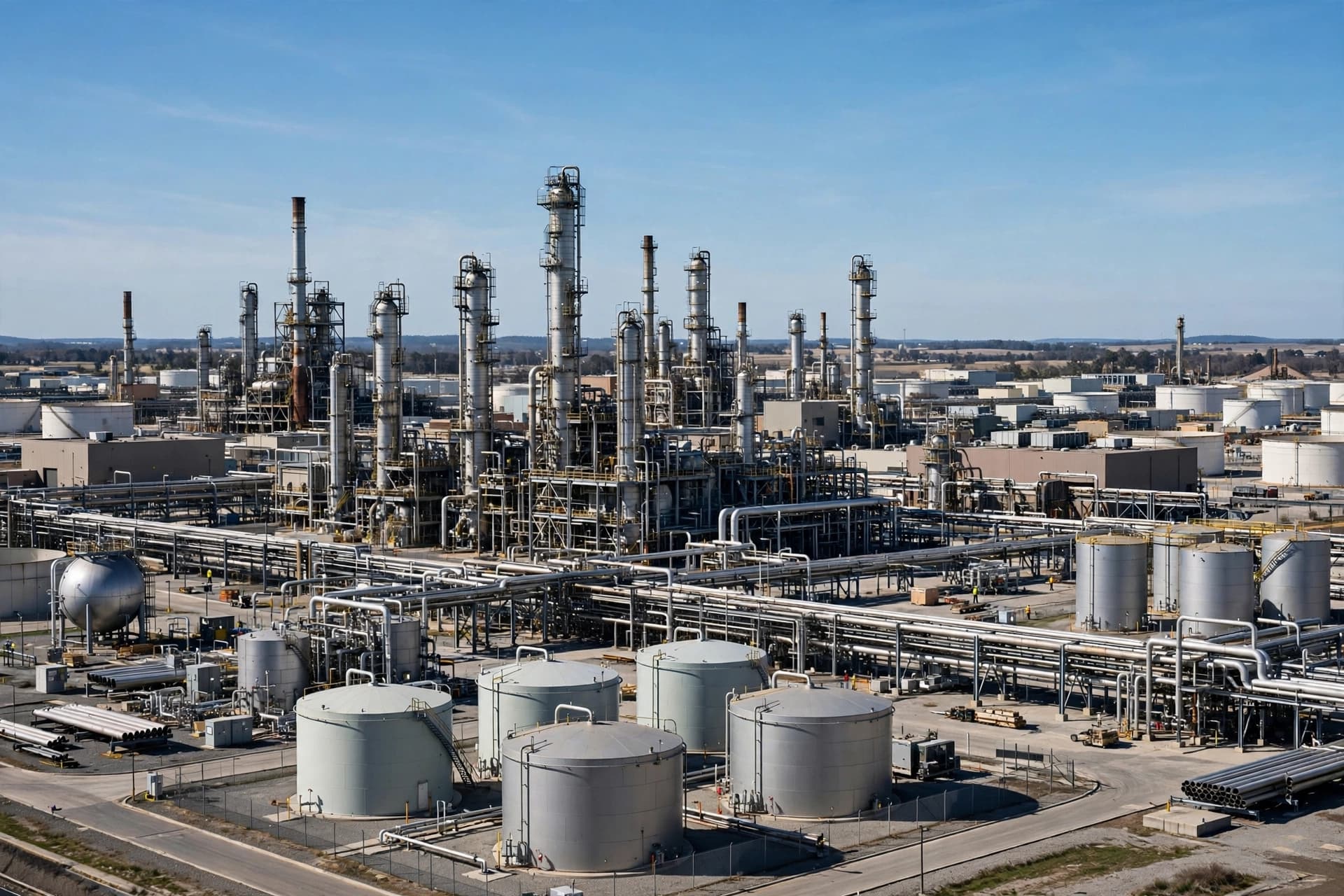
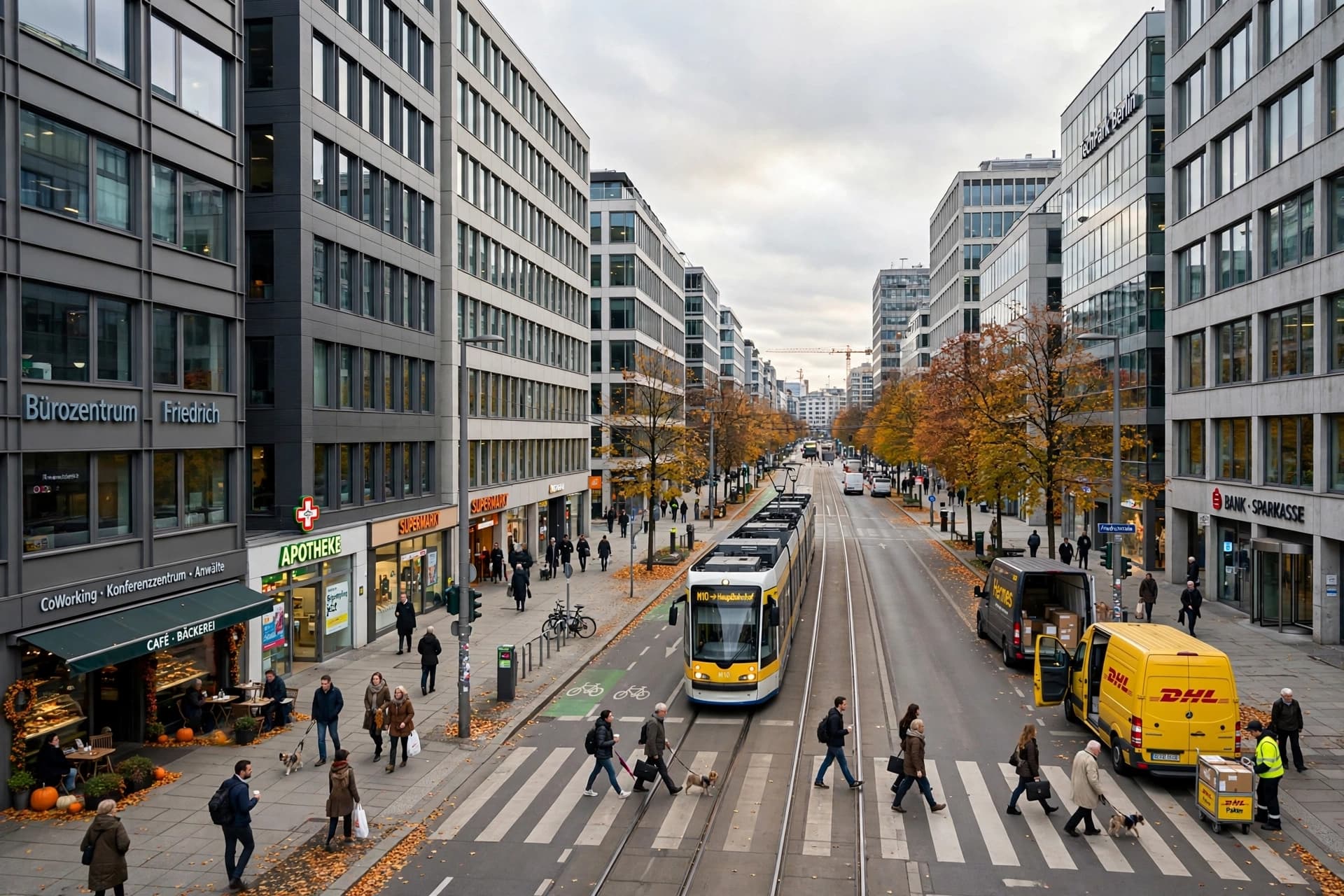
The illustrations are AI-generated conceptual images of financial services and banking activity. They do not depict specific Indonesian institutions, officials, or financial meetings.
Published by Banx Network. This article is part of the Banx decentralized media programme, powered by the BXE token on the XRP Ledger.