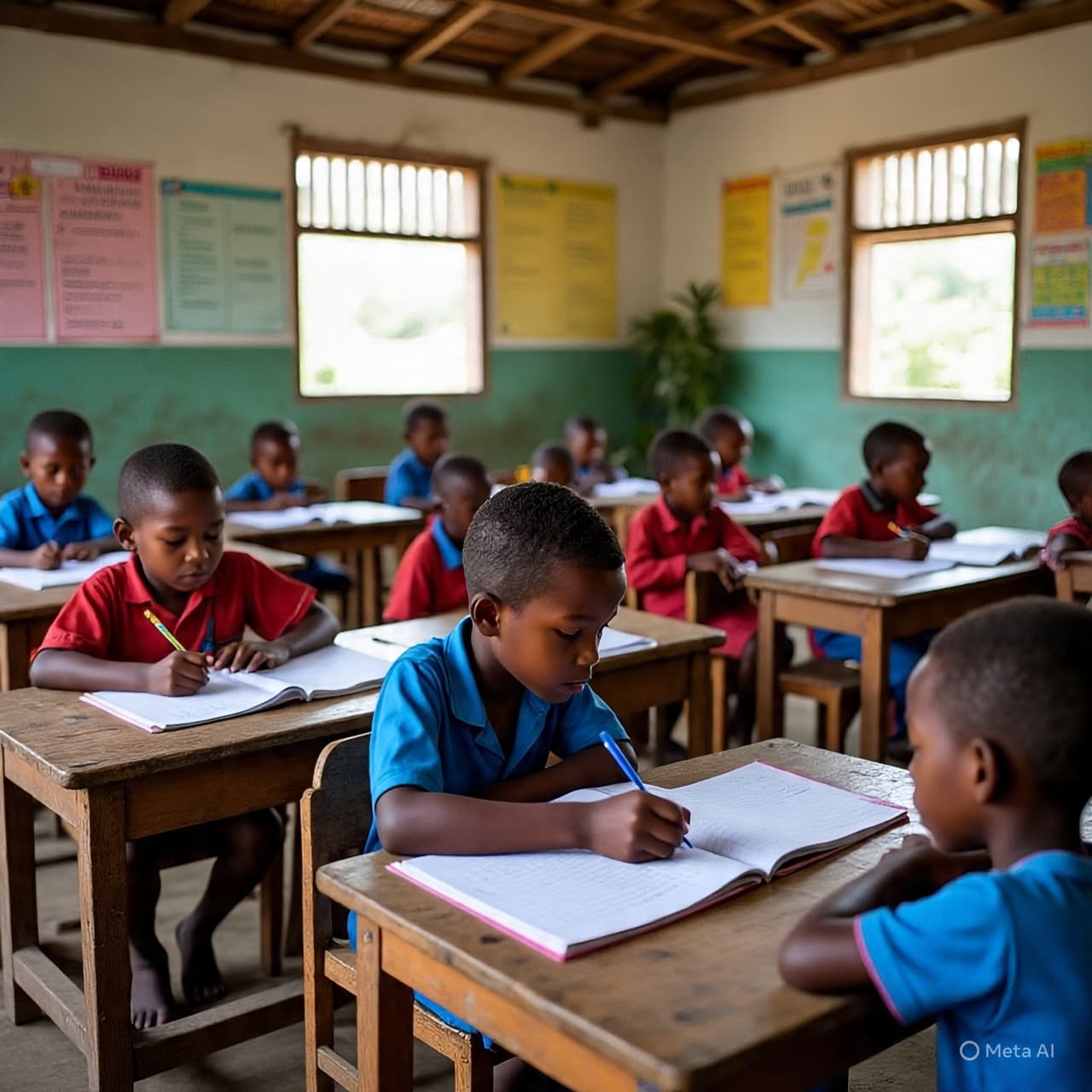
In many parts of the world, childhood is measured in laughter — in playground echoes, in whispered secrets, in the steady rhythm of classroom recitation. Hearing is so often assumed that its absence can go unnoticed at first, mistaken for distraction or shyness. Yet for thousands of children, the inability to hear clearly reshapes the architecture of learning and belonging long before it is formally recognized.
A new study has found that children in are among the most affected globally by ear disease, with rates significantly higher than international averages. Researchers report that preventable and treatable conditions — particularly chronic middle ear infections — are widespread in several communities, contributing to long-term hearing impairment at critical stages of development.
The findings highlight otitis media, a persistent inflammation or infection of the middle ear, as a leading concern. While common in many countries, the study suggests its prevalence and severity in Papua New Guinea exceed thresholds defined by global health authorities as a serious public health issue. In some surveyed regions, large proportions of children were found to have active ear infections or signs of hearing loss.
Health experts note that untreated ear disease can affect speech development, educational performance, and social integration. In rural and remote areas, access to timely diagnosis and treatment remains limited. Clinics may be understaffed, supplies inconsistent, and specialist services located far from villages connected by challenging terrain.
Researchers involved in the study point to underlying factors such as overcrowded housing, limited sanitation infrastructure, and barriers to routine healthcare. They also emphasize that solutions exist. Community-based screening programs, improved antibiotic access, vaccination coverage, and training for local healthcare workers are among the strategies recommended to reduce long-term harm.
International comparisons underscore the disparity. While high-income countries have seen substantial declines in chronic ear disease due to early intervention and public health investment, progress in lower-resource settings has been uneven. The study’s authors argue that addressing hearing health must be integrated into broader child health initiatives rather than treated as a secondary concern.
Local health authorities and partner organizations have acknowledged the findings, with some calling for expanded outreach and funding. Advocates stress that hearing is foundational to literacy and opportunity. When children cannot fully hear their teachers, the consequences extend far beyond the classroom.
The study concludes with a measured but clear message: ear disease among children in Papua New Guinea represents a preventable burden that demands coordinated response. Policymakers, clinicians, and communities are encouraged to work collaboratively to strengthen early detection and care pathways.
In the quiet spaces where sound should carry easily, clarity is not a luxury. It is a beginning.
AI Image Disclaimer Images in this article are AI-generated illustrations, meant for concept only.
Source Check (Credible Media Coverage Found): BBC News The Guardian ABC News Australia The Lancet The Conversation
Published by Banx Network. This article is part of the Banx decentralized media programme, powered by the BXE token on the XRP Ledger.