There is a particular kind of helplessness that comes with watching money disappear from an account you have trusted for decades. It is not the loss itself that lingers, though the loss is real and sometimes devastating. It is the sense that the institution meant to safeguard you has decided, quietly and without ceremony, that the responsibility was yours all along.
Ralph Moore, an 88-year-old from Qualicum Beach, British Columbia, lost more than $450,000 over ten months to an online investment scam, drawn in by a deepfake video of Prime Minister Mark Carney promoting a fake government investment platform . He made multiple trips to his local TD Bank to arrange transfers and bank drafts. The bank recognized early that Moore was falling victim to a scam—it questioned transactions, warned him and his wife, and at one point placed temporary restrictions on his account . But the transactions were not permanently blocked, his account was not frozen, and his adult children were not contacted. TD later shut down his account, writing that it had decided to "exit the client relationship" to "prevent further financial harm" .
Moore is among more than three dozen bank fraud victims who spoke to CBC's Go Public, all asking the same question: why doesn't Ottawa hold banks more liable for fraud losses, as some other countries do ? The Canadian Anti-Fraud Centre reports that people lost more than $700 million to all fraud in 2025, and estimates that only five percent of victims report when it happens . Banking-specific numbers were not available.
In almost all cases, financial institutions hold their customers accountable, issuing similarly worded denial letters that accuse people of sharing passwords or cooperating with scammers . Alexandre Plourde, a lawyer and analyst at Option consommateurs, a Montreal consumer advocacy organization, said: "These are not negligent people, not stupid people. I don't think the law does enough to protect consumers" .
The victims' stories share a common shape. Karla Zwicker, a Scotiabank customer in Edmonton, had over $13,000 stolen from her accounts and line of credit; the bank said there was no evidence her account was compromised and declined to reimburse her . Ivanka Bubic, an RBC customer in Montreal, was reimbursed for credit card charges after scammers spoofed the bank's number but was told she was responsible for $15,000 taken from her line of credit . "It's crazy that they have zero responsibility when fraud happens," she said .
Go Public requested interviews with TD, Royal Bank, the Bank of Montreal, Scotiabank, and CIBC. All declined . A TD spokesperson, citing client confidentiality, said that protecting customers "remains a top priority through robust security, monitoring and education resources" .
The Minister of Finance has said the government is acting but that more consultation is needed . For the victims, that consultation cannot come soon enough. The question is not whether banks should bear some responsibility for fraud that passes through their systems, but how much—and whether the law will ever catch up to the quiet asymmetry of power between an institution and an individual who trusted it.
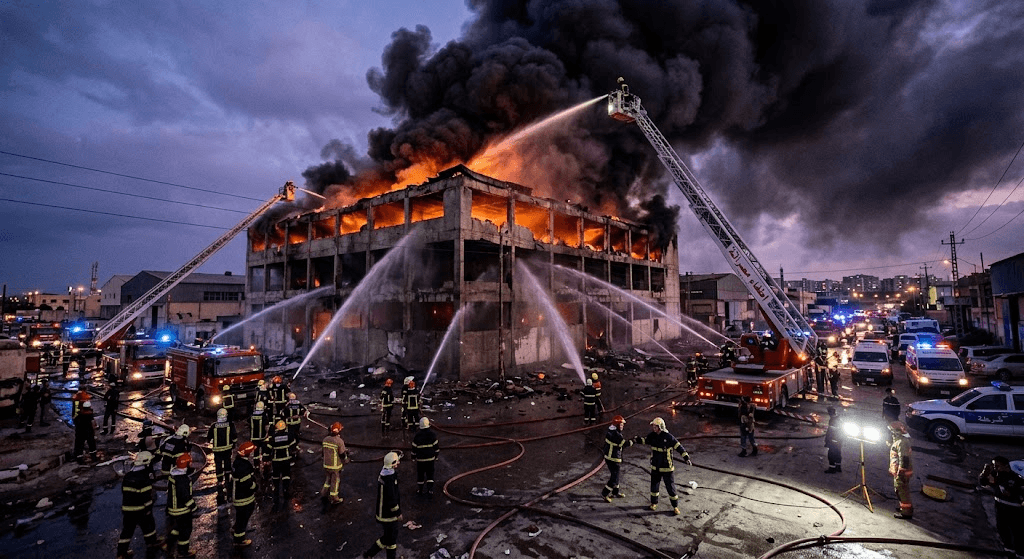
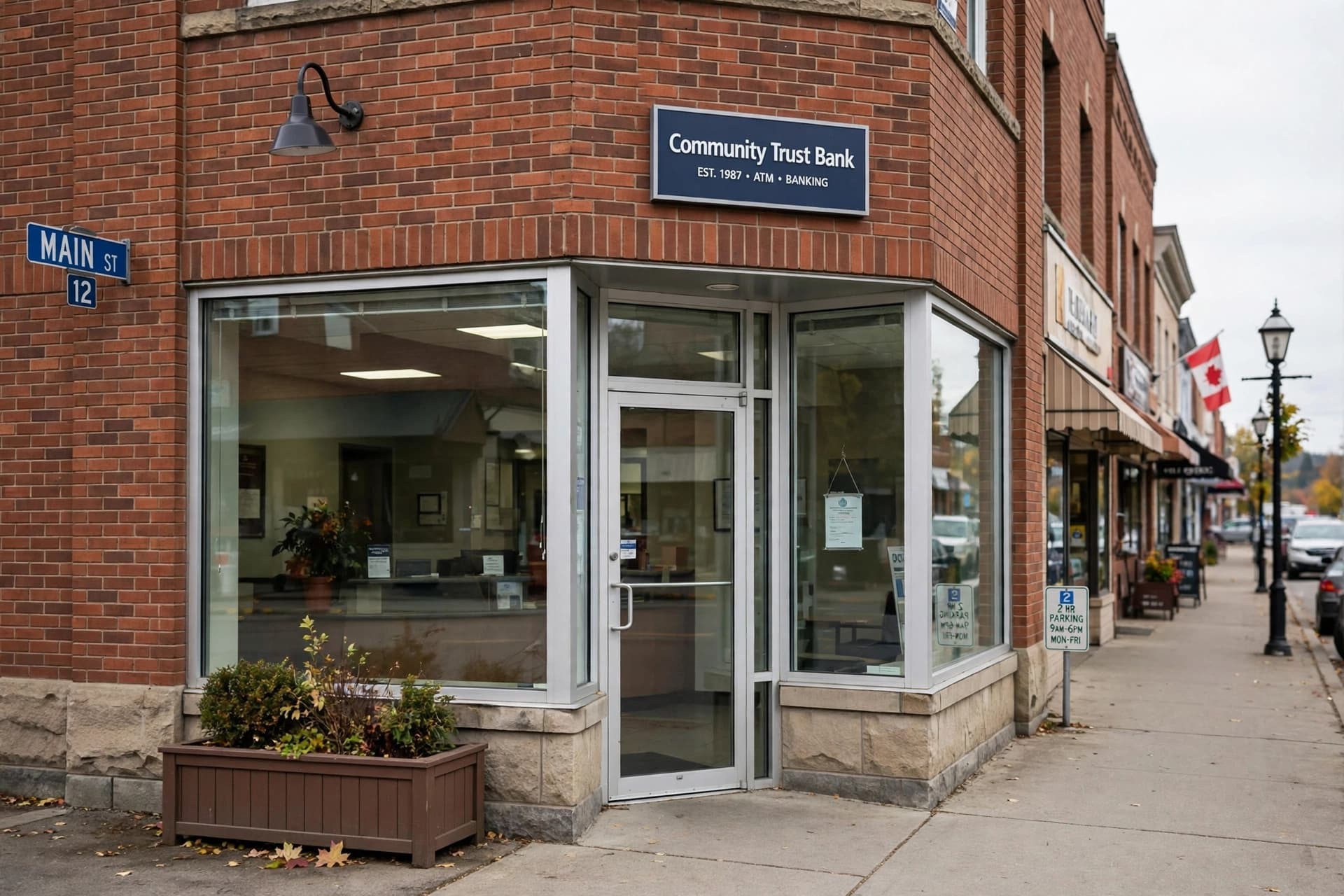
The imagery accompanying this report is generated by AI.
Sources: CBC News, Radio-Canada
Published by Banx Network. This article is part of the Banx decentralized media programme, powered by the BXE token on the XRP Ledger.