Key Highlights
- Unilever anticipates price increases due to rising costs linked to global conflicts.
- The company reported a 5.2% sales growth in Q3, exceeding analyst expectations.
- Investors reacted cautiously, with shares dropping despite positive sales figures.
Unilever, the multinational consumer goods company, announced on October 28, 2026, that it expects price increases to accelerate in the fourth quarter and into 2027. This forecast is largely attributed to rising costs associated with the ongoing conflict involving Iran, which has added significant pressure to its operations. According to a report by Reuters, Unilever is among several major corporations preparing for higher prices as energy, commodities, and other operational expenses continue to rise.
Chief Executive Fernando Fernandez indicated that pricing in 2027 is expected to surpass the average levels seen in 2026. He emphasized that Unilever is accelerating its pricing strategies as the cost environment becomes clearer. The company aims to balance these price increases with sales volumes, striving to protect profit margins while avoiding alienating customers. This delicate balance is crucial as consumer behavior shifts in response to rising prices.
The decision to raise prices follows a trend among consumer goods manufacturers who have been compelled to adjust their pricing in response to inflation and increased production costs. The COVID-19 pandemic and the early stages of Russia's invasion of Ukraine saw many companies implement sharp price hikes. In response, some consumers have opted for cheaper store brands or reduced their overall purchases, prompting manufacturers to work diligently to regain lost demand.
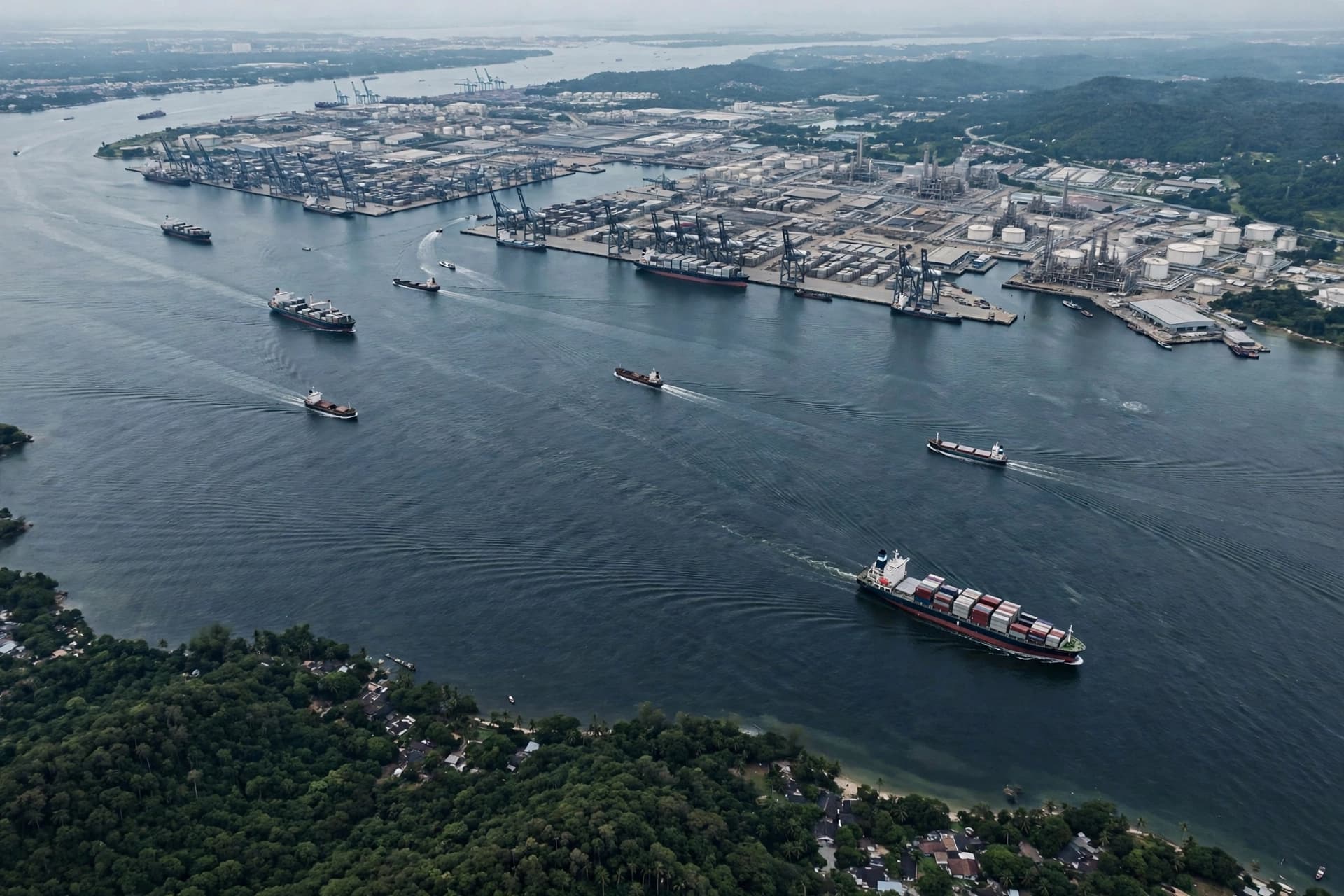
The latest pressures on costs have been linked to the conflict in Iran, which began in late February. Fluctuations in energy prices can significantly impact manufacturing, packaging, and transportation costs, while changes in commodity markets affect the ingredients and raw materials used in consumer products. The impact of these factors varies by company and product category, complicating the ability to predict price changes across the board.
In its third-quarter report, Unilever reported an underlying sales growth of 5.2%, surpassing the 4.8% expected by analysts. Sales volume increased by 2.9%, with pricing contributing 2.3% to this underlying growth. The company maintained its sales and profit-margin guidance for 2026, projecting an underlying sales growth of around 5% for the latter half of the year. However, despite these positive results, volume growth has slowed compared to the second quarter, particularly within the food sector, which has weighed on overall performance.
Unilever's portfolio includes well-known brands such as Dove, Cif, and Hellmann’s. The company has been simplifying its offerings to focus more on beauty and personal care products, with plans to separate its food business and merge it with US spice maker McCormick as part of a broader restructuring strategy. This shift reflects a strategic pivot in response to changing consumer preferences and market dynamics.
Investor reactions to Unilever's latest results have been cautious, with shares dropping 3.4% on the announcement day, despite exceeding analysts' expectations for sales growth. This decline illustrates that financial markets consider not only current performance but also future demand, costs, and profitability outlooks.
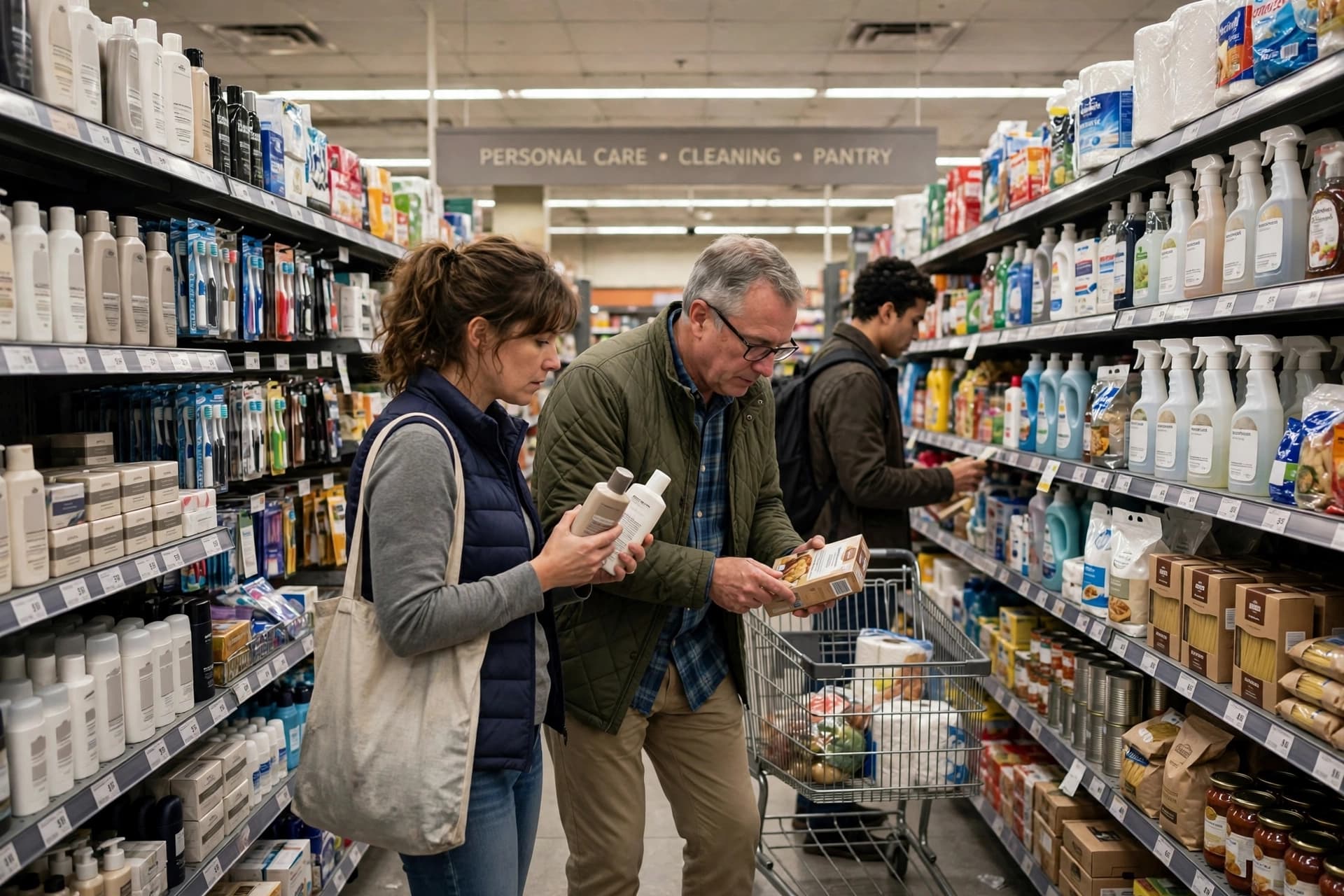
Other consumer goods companies, including Procter & Gamble, Nestlé, Coca-Cola, and Reckitt, have also indicated that rising raw material, energy, and freight costs could impact their financial results. For companies selling everyday essentials, the challenge is particularly sensitive; while customers may continue purchasing necessities, they can easily switch brands, reduce quantities, or delay purchases when budgets tighten.
The effects of these anticipated price increases will vary based on the products consumers buy, local market conditions, and the decisions made by retailers and manufacturers. Unilever's guidance suggests that price adjustments will remain a key part of its strategy to address rising costs as 2027 approaches. The company's next challenge will be to maintain profitability while ensuring customer loyalty, as strong sales volumes can help offset rising expenses, but price hikes may drive consumers to seek alternatives.
Published by Banx Network. This article is part of the Banx decentralized media programme, powered by the BXE token on the XRP Ledger.