Key Highlights
- Trade Agreement Status:Vietnam claims negotiations with the U.S. are nearly complete.
- Trade Deficit Concerns:The U.S. emphasizes ongoing discussions due to trade deficit issues.
- Broader Implications:Negotiations cover tariffs, investment rules, and digital regulations.
On October 14, 2026, Vietnam announced that negotiations on a trade agreement with the United States were nearing completion. Vietnamese Deputy Prime Minister Pham Gia Tuc stated that the final text of the agreement had been sent to Washington. However, U.S. officials expressed a more cautious outlook, indicating that while discussions were ongoing, significant concerns remained to be addressed.
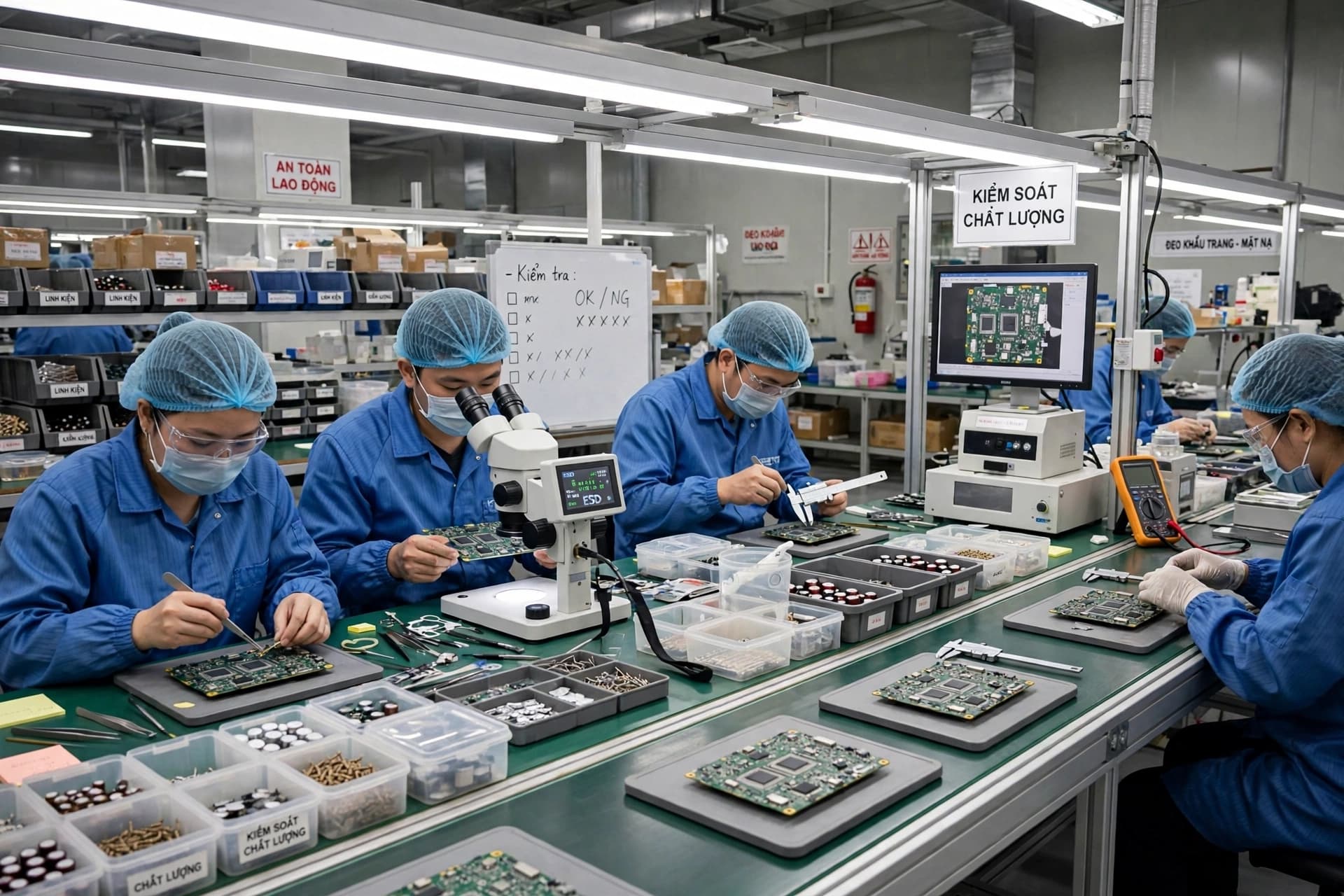
The importance of these negotiations cannot be overstated, as the United States is Vietnam's largest export market. Vietnamese manufacturers supply a diverse array of goods to American consumers, including electronics, clothing, footwear, and furniture. The stability of access to this market is crucial for investment decisions across various industries, particularly for companies that depend on export orders to sustain large-scale production.
Trade tensions have complicated the relationship between the two nations. U.S. officials have raised alarms about the substantial trade deficit with Vietnam, which has led to concerns that goods manufactured in other countries might be routed through Vietnam to circumvent higher tariffs. Additionally, Washington has scrutinized issues related to industrial overcapacity and intellectual property protections. In response, Hanoi has sought to reassure the U.S. that its trade relationship can remain stable while addressing American concerns.
The backdrop of these trade discussions is a shifting tariff environment. Following a ruling by the U.S. Supreme Court that struck down the administration's global tariffs in February, the U.S. government initiated three investigations into Vietnam's trade practices. One investigation, which focused on alleged failures to prevent the use of goods produced with forced labor, resulted in a 12.5% tariff on Vietnamese imports. Meanwhile, two other investigations concerning industrial overcapacity and intellectual property rights were still ongoing at the time of the report.
American officials have also encouraged Vietnamese businesses to invest more in the United States. David Fogel, a U.S. assistant secretary of commerce, expressed optimism about the potential for continued collaboration on an agreement. However, he noted that the American trade deficit with Vietnam was the largest the U.S. had with any trading partner, with Vietnam's surplus exceeding $163 billion in the first eight months of the year.
For Vietnam, the negotiations represent a delicate balance between fostering export growth and maintaining investor confidence. The country has become a hub for manufacturers seeking diversified production locations in Asia. As electronics and technology companies expand their operations in Vietnam, the government aims to transition into higher-value sectors such as semiconductor development and artificial intelligence. Predictable trade conditions are essential for supporting these ambitions, while uncertainty surrounding tariffs could hinder long-term planning.
Digital regulation and energy policy have also emerged as critical components of the broader commercial relationship. U.S. Ambassador to Vietnam Jennifer Wicks has urged the Vietnamese government to establish clear rules for data protection and cross-border data transfers, which are vital for American technology firms. She has also called for stable energy pricing policies, which can significantly influence decisions regarding industrial facilities and data-intensive businesses.
The scope of the negotiations extends beyond tariffs on individual products, encompassing rules governing investment, digital services, intellectual property, energy, and the movement of goods through international supply chains. A comprehensive agreement could provide businesses with greater clarity, but the degree of certainty will depend on the final terms and the implementation by both governments.
Vietnam's assertion that the talks are nearing completion indicates that the negotiations have reached a pivotal stage. However, the cautious remarks from U.S. officials highlight that progress has not yet culminated in a finalized agreement. For companies engaged in trade between the two nations, the immediate focus remains on understanding the applicable rules for their products and investments. The outcome of these negotiations will become clearer once both governments confirm the terms and outline the next steps.
Published by Banx Network. This article is part of the Banx decentralized media programme, powered by the BXE token on the XRP Ledger.