Key Highlights
- Economic Growth:IMF raises Dutch growth forecast to 1.5% for 2026.
- Inflation Concerns:Consumer prices expected to rise by 2.9% next year.
- Energy Costs:Fuel prices increased by 27.2% over the past year.
The Dutch economy is poised for modest growth in 2026, according to the latest forecast from the International Monetary Fund (IMF). On October 13, 2026, the IMF revised its growth estimate for the Netherlands to 1.5%, an increase from the previous 1% projection made in July. This optimistic outlook is tempered by ongoing concerns about rising consumer prices, which are expected to average a 2.9% increase next year.
A significant factor contributing to this improved forecast is the anticipated growth of Germany, a key trading partner for the Netherlands. The IMF has raised its growth projection for Germany from 0.7% to 1.3% for 2026. This uptick in German economic performance is likely to benefit Dutch exporters and suppliers, as increased demand for goods and services from Germany can stimulate various sectors within the Dutch economy. The interconnectedness of European economies means that growth in one country can have ripple effects across the region.
Investment in artificial intelligence (AI) is also playing a crucial role in shaping the economic landscape. Major technology firms are investing heavily in infrastructure, data centers, and advanced computing technologies. This surge in investment is expected to create demand across supply chains, benefiting Dutch companies like ASML, which specializes in high-tech manufacturing. However, the distribution of these economic gains may not be uniform, with some sectors and regions potentially benefiting more than others.
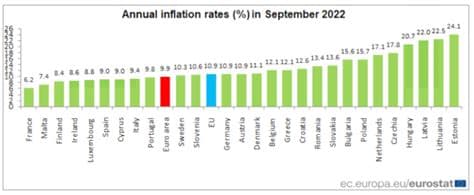
Despite the positive growth forecast, Dutch households are still grappling with financial pressures. Statistics Netherlands (CBS) reported that annual inflation reached 3.4% in September, highlighting the ongoing challenges consumers face. The IMF's projection of a 2.9% rise in consumer prices for 2026 underscores the persistent cost-of-living concerns that could dampen household spending and confidence.
Energy costs are a significant contributor to inflationary pressures. Reports indicate that fuel prices have surged by 27.2% over the past year, with diesel prices nearing €2.50 per liter. These rising transport costs can have a cascading effect, as businesses may pass on increased expenses to consumers, further straining household budgets. Families with limited financial flexibility are particularly vulnerable to these price hikes, which can affect their purchasing decisions.
The IMF has attributed some of the pressures in the energy market to geopolitical tensions, particularly the conflict involving Iran. While alternative sources of oil and gas have helped mitigate some disruptions, the overall impact of higher energy prices remains a concern for both consumers and businesses. The sensitivity of energy markets to global events means that fluctuations can significantly influence domestic economic conditions.
For businesses, navigating the landscape of moderate growth alongside rising costs presents a complex challenge. Companies may experience increased demand while simultaneously facing higher expenses for transport, energy, and materials. This duality can lead to cautious consumer behavior, as households remain attentive to the prices of essential goods and services. The disconnect between national economic growth and individual financial experiences illustrates the nuanced reality of economic recovery.
In summary, while the IMF's revised outlook offers a more optimistic perspective for the Dutch economy in 2026, the interplay of rising consumer prices and energy costs continues to pose challenges for households and businesses alike. As policymakers, businesses, and consumers adapt to these economic conditions, the path forward will require careful navigation of both growth opportunities and financial pressures.
Published by Banx Network. This article is part of the Banx decentralized media programme, powered by the BXE token on the XRP Ledger.