Key Highlights
- Indonesia's gas supply to Singapore remains within contractual minimums despite cuts.
- The reduction in exports amounts to 31 million cubic feet per day, affecting 8% of Indonesia's supply.
- Singapore's energy security is not significantly threatened in the short term, but long-term implications remain.
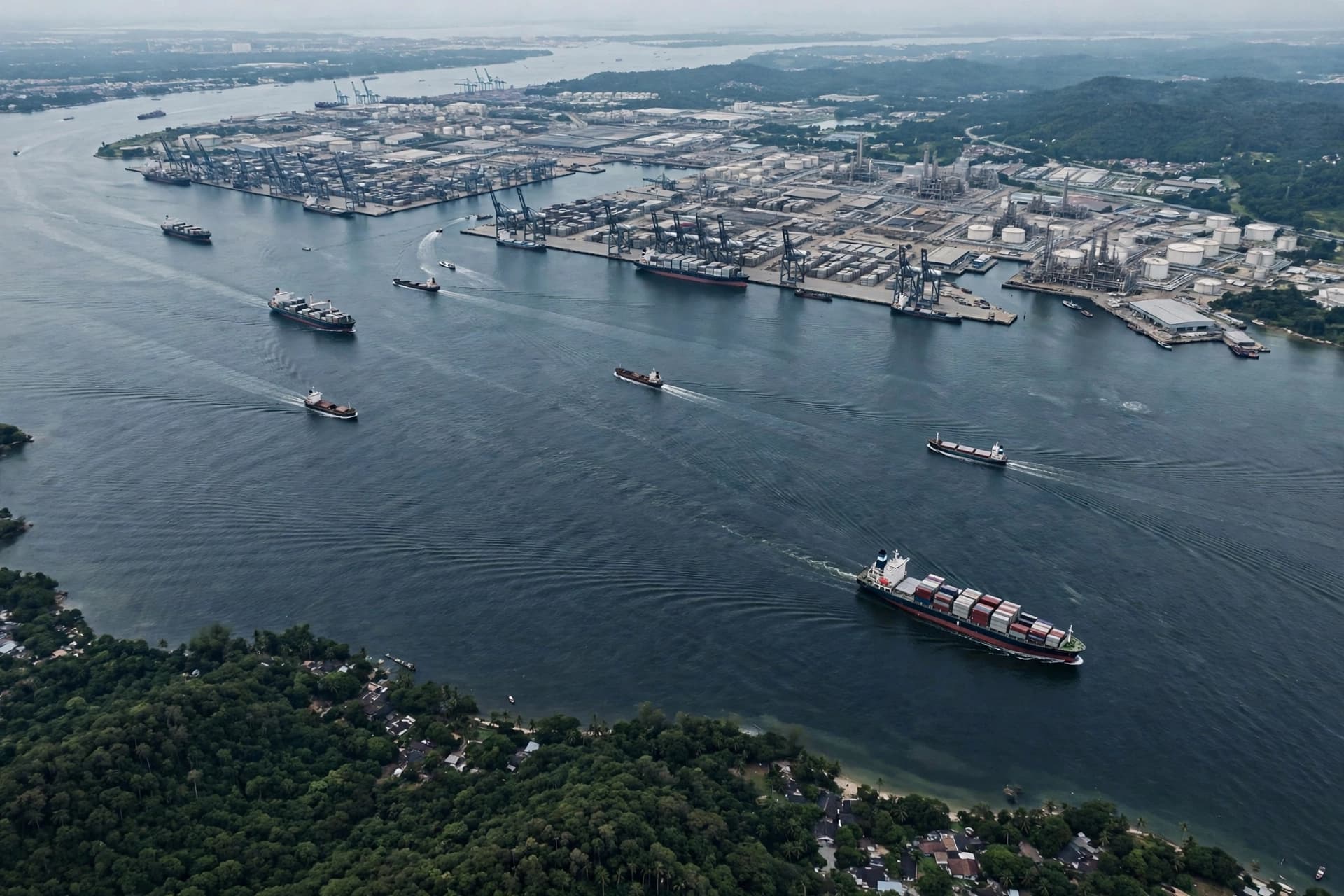
Indonesia's energy trade with Singapore is a critical component of the region's infrastructure, ensuring that homes, businesses, and industries have the necessary resources to operate efficiently. Recently, concerns have arisen regarding the reliability of this supply, particularly following a statement from Indonesia’s Energy and Mineral Resources Minister Bahlil Lahadalia on October 26, 2026. He confirmed that despite a reduction in pipeline exports, Indonesia continues to meet the minimum natural gas volumes required under its contracts with Singapore.
The reported reduction in gas deliveries to Singapore amounts to 31 million standard cubic feet per day, which represents approximately 8 percent of Indonesia's total pipeline gas supply to the island nation. However, this reduction only constitutes about 2 percent of Singapore's daily gas demand, suggesting that the immediate impact on Singapore's energy supply is manageable. Minister Lahadalia emphasized that the adjustments made by Indonesia are consistent with the terms of existing agreements, countering any claims of contractual breaches.
Singapore's energy infrastructure heavily relies on natural gas, which accounts for a significant portion of its electricity generation. To mitigate risks associated with dependence on a single source, Singapore has diversified its energy supply through various means, including pipeline imports from neighboring countries and shipments of liquefied natural gas. This diversification strategy provides flexibility, although fluctuations in regional production and global fuel markets can still affect energy costs and planning.
The current situation reflects the pressures within Indonesia's own energy system, where the government has prioritized domestic demand due to rising electricity consumption and industrial activity. Maintenance shutdowns have also contributed to the supply constraints. An earlier incident involving a 16-hour blackout in Batam and parts of the Riau Islands has drawn attention to the reliability of Indonesia's energy infrastructure, further complicating the balance between domestic needs and export commitments.
The ongoing dialogue between Indonesia and Singapore underscores the importance of clear communication regarding energy supply commitments. Singapore Prime Minister Lawrence Wong has called for all parties to honor their commercial agreements, while Indonesia maintains that it is fulfilling its minimum contractual obligations. The distinction between a reduction in supply and a breach of contract is crucial, as it hinges on the specific terms outlined in each agreement.
Looking ahead, the future of gas supply negotiations may become increasingly complex. Several existing contracts are set to expire in 2028, presenting an opportunity for both Indonesia and Singapore to reassess pricing, volumes, and the structure of future agreements. Indonesia's focus on directing more gas toward domestic use may necessitate investments in infrastructure, including pipelines and processing facilities, to ensure that supplies are efficiently allocated.
While the immediate reduction in gas exports is not expected to jeopardize Singapore's energy security, maintaining reliable supplies in the long term will require ongoing diversification and collaboration with regional producers. For Indonesia, the challenge of balancing export commitments with domestic energy needs will remain a pivotal issue as its economy and energy consumption patterns evolve.
The current situation does not signify a breakdown in the energy relationship between Indonesia and Singapore. Both nations are navigating the complexities of energy supply and demand, with Indonesia asserting that it is meeting its minimum obligations while Singapore continues to monitor the reliability of its gas imports. The next phase of this relationship will depend on evolving supply conditions and the terms of future contracts.
Published by Banx Network. This article is part of the Banx decentralized media programme, powered by the BXE token on the XRP Ledger.