By the second day, the pace of CES begins to settle into something more revealing. The initial spectacle gives way to patterns. Lights still flare across massive halls, but attention drifts from novelty toward intent. Screens, glasses, and machines no longer arrive as isolated curiosities. They begin to speak to one another, hinting at a future shaped not by any single device, but by how technologies overlap and inhabit daily life.
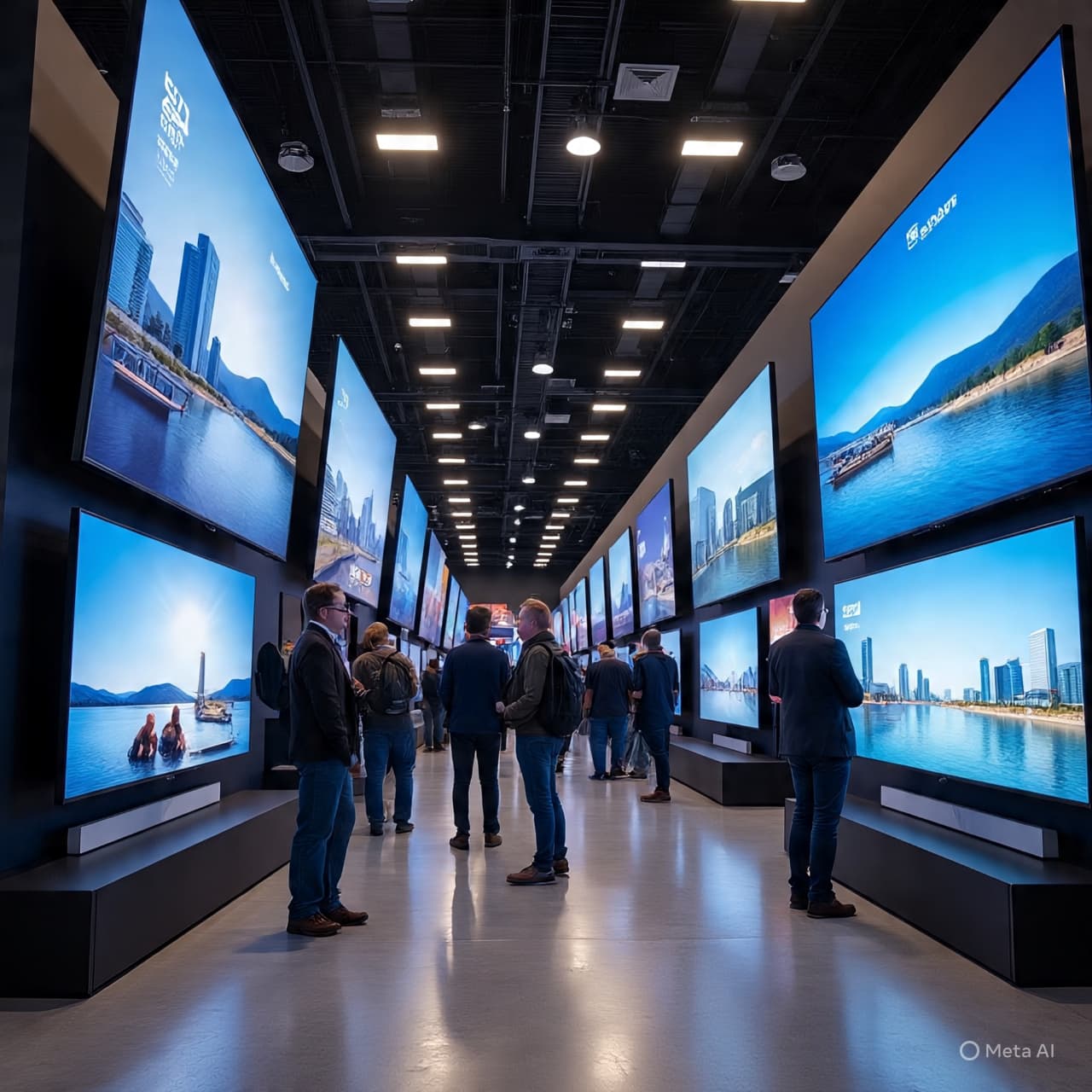
Televisions continue to command space, not merely in size but in ambition. Displays unveiled on Day Two emphasize clarity without intrusion, aiming to dissolve into walls or disappear when not in use. Advances in color reproduction and brightness are paired with thinner profiles and wireless designs, suggesting a future where screens assert presence only when invited. The living room, long dominated by a single glowing rectangle, is quietly reimagined as a flexible environment rather than a fixed stage.
Nearby, smart glasses draw steady crowds, not for spectacle but for restraint. The latest models promise information without immersion, offering navigation cues, translations, or notifications that hover lightly at the edge of vision. Unlike earlier attempts at wearable displays, these devices speak less of transformation and more of companionship, designed to supplement attention rather than demand it. Their success, exhibitors suggest, will depend on how easily they fade into routine.
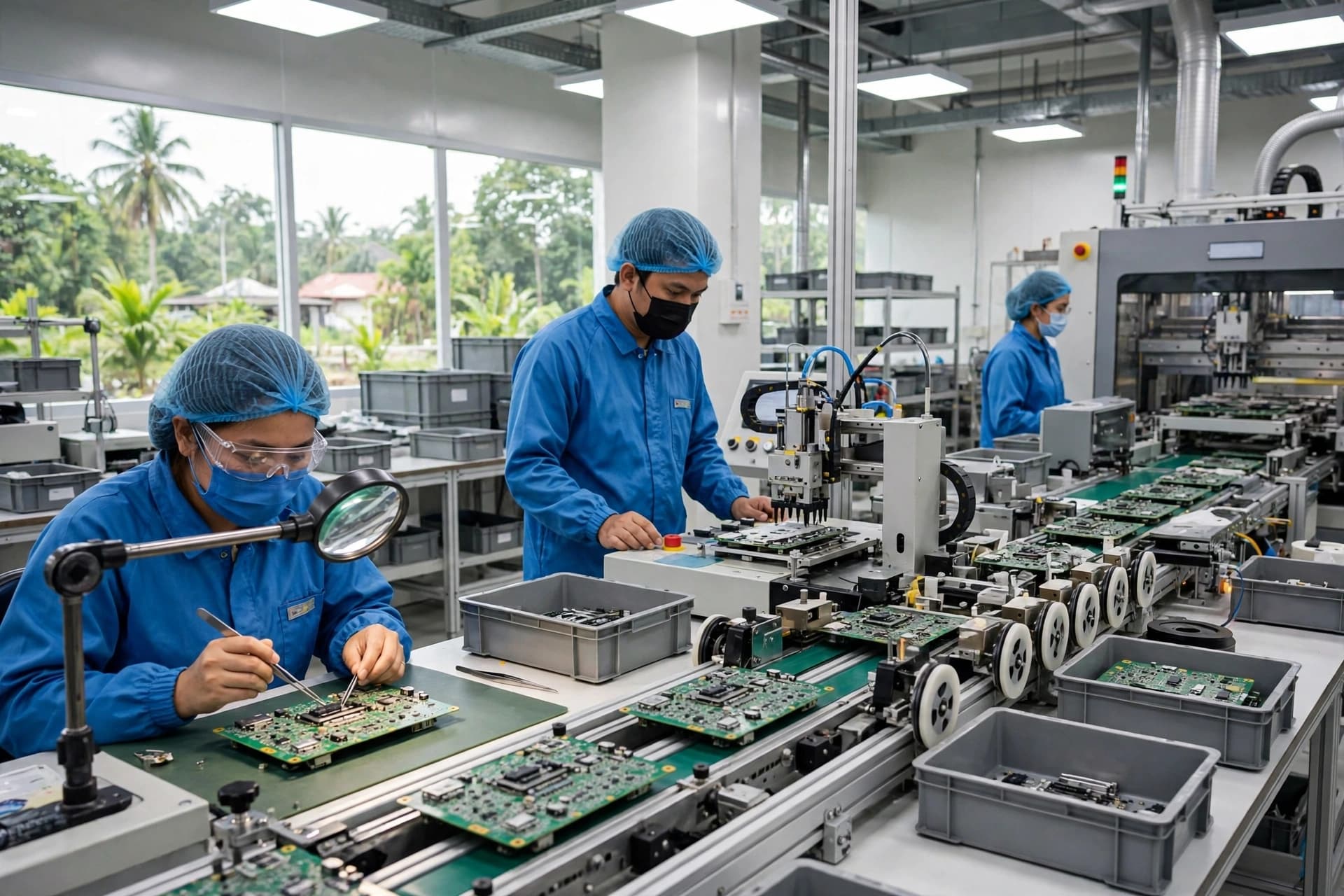
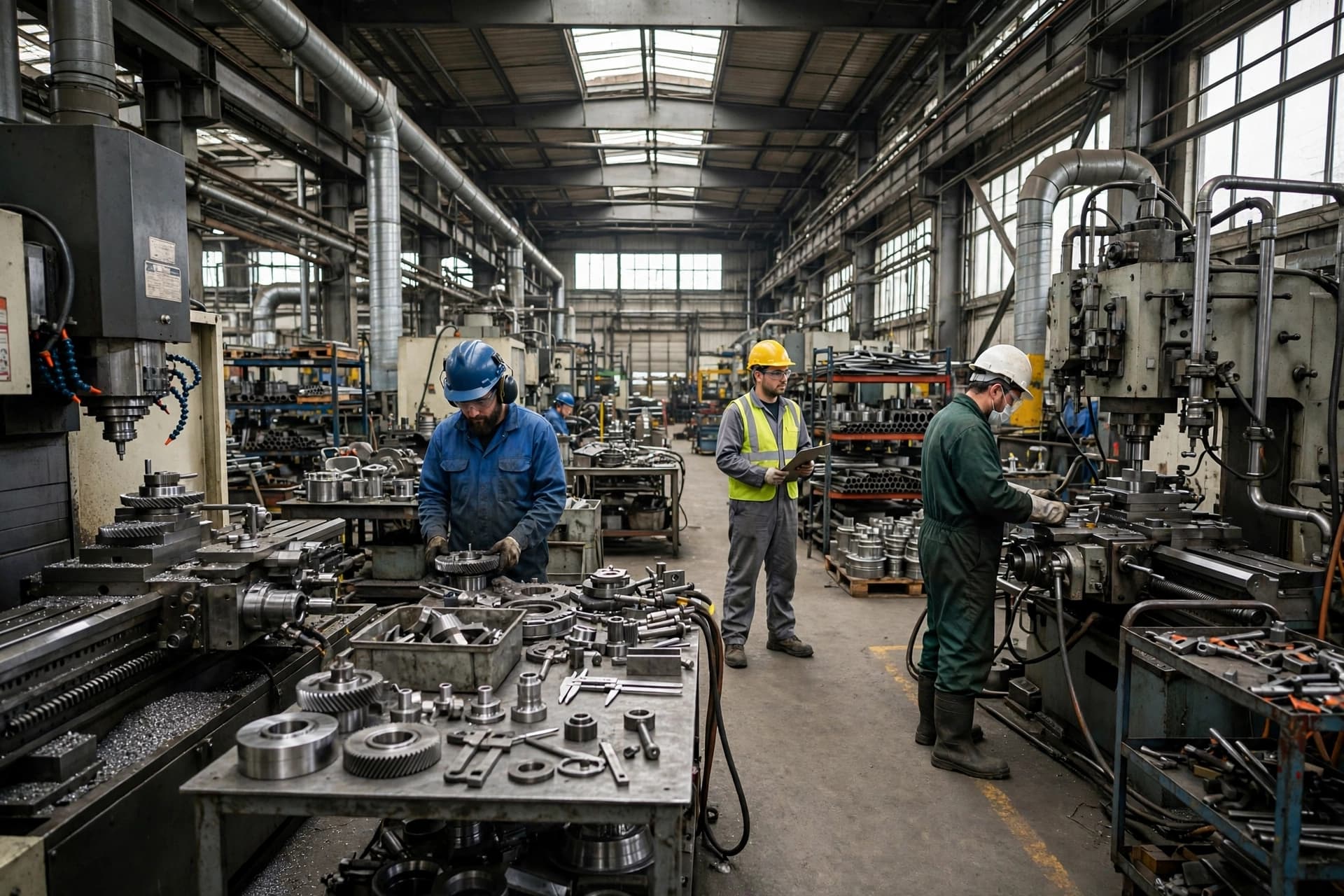
Robots, meanwhile, are no longer confined to distant demonstrations. On Day Two, they appear closer, calmer, and more practical. Machines roll, walk, and gesture with deliberate motion, framed as helpers rather than marvels. Some are built for homes, others for factories or warehouses, but the language around them is consistent. They are presented not as replacements for people, but as extensions of human effort, intended to reduce strain and handle repetition.
Artificial intelligence threads through everything, though it rarely announces itself loudly. It lives inside processors, behind displays, and within sensors that interpret space and movement. Rather than center stage, AI functions as connective tissue, enabling screens to adapt, glasses to interpret context, and robots to navigate shared environments. The emphasis is less on intelligence as abstraction and more on intelligence as behavior.
As Day Two unfolds, CES feels less like a catalogue of products and more like a rehearsal. Each device gestures toward a role it hopes to play, testing how comfortably it can exist alongside people. The noise remains, but beneath it lies a quieter signal: technology is learning to be present without overwhelming, visible without dominating.
When the halls close for the evening, what lingers is not a single announcement but a mood. The future on display is not rushing forward. It is adjusting its posture, refining its edges, and waiting to be invited in.
AI Image Disclaimer Visuals are AI-generated and serve as conceptual representations.
Published by Banx Network. This article is part of the Banx decentralized media programme, powered by the BXE token on the XRP Ledger.