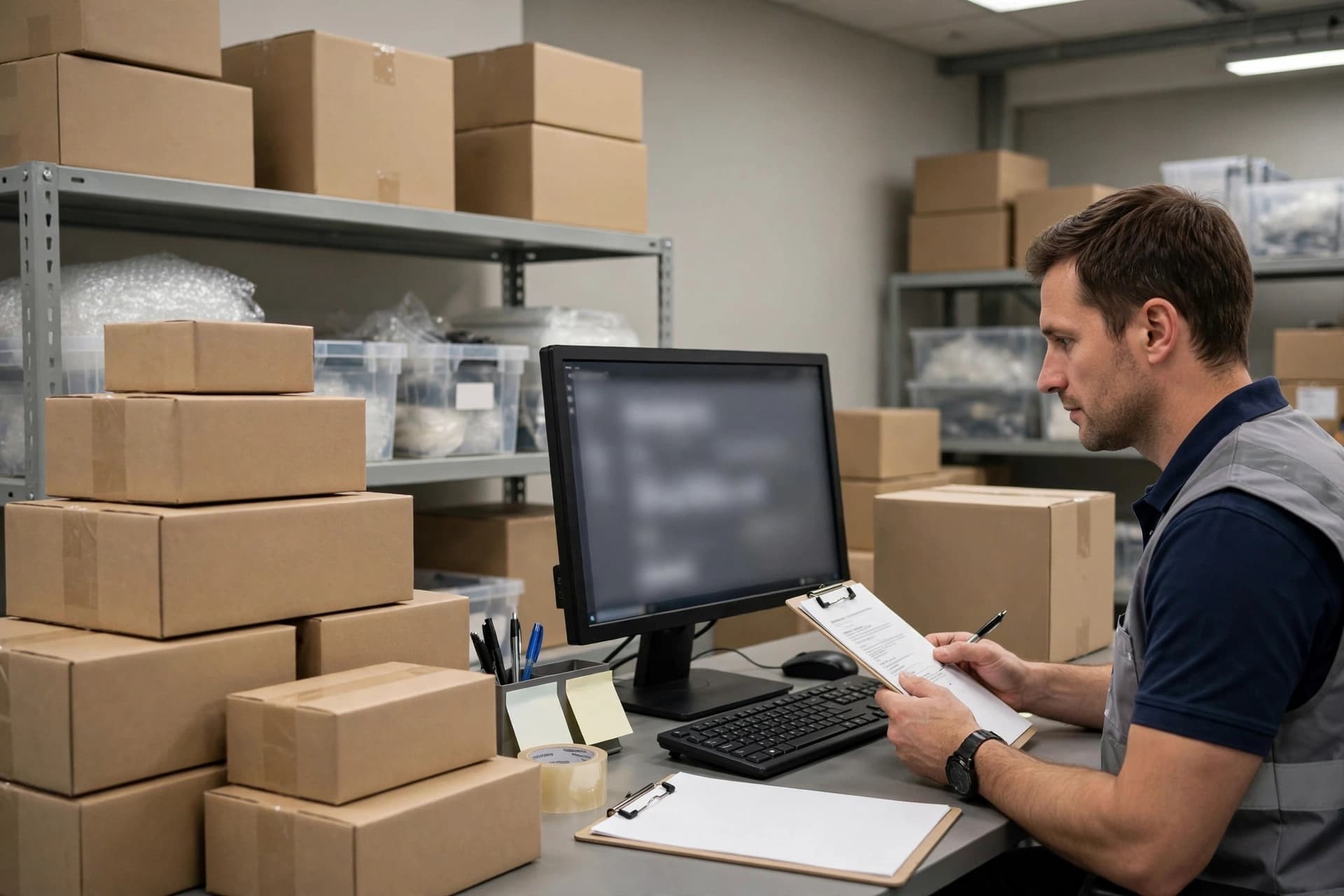
In an industrial city, economic change can be difficult to notice at first. A factory gate still opens in the morning, delivery trucks continue to arrive, and machinery remains ready for another shift. Yet beneath the familiar routines, the number of orders coming in can determine whether production expands, holds steady, or gradually slows.
Russia’s manufacturing sector showed signs of continued weakness in September. A survey by S&P Global found that the country’s manufacturing Purchasing Managers’ Index rose to 49.8 from 48.8 in August. Because readings below 50 indicate contraction, the result suggested that activity was still declining, although at a slower pace than in the previous month.
Output fell for a second consecutive month, while new orders also declined for a second month in a row. Manufacturers cited weak demand, higher prices, and competition as factors weighing on business. These pressures can create a difficult cycle: fewer orders lead companies to reduce production, while lower activity makes it harder to justify additional hiring or investment.
Employment was one of the more concerning elements in the survey. Manufacturing firms reduced their workforces for the tenth consecutive month, and the rate of job cuts was the fastest since May. Some companies reportedly allowed positions to disappear when employees left voluntarily rather than replacing them. Such decisions can reduce labor costs without requiring a large, immediate round of layoffs.
Export orders remained especially weak. The survey indicated that new export business declined for an eleventh consecutive month, with the pace of contraction the sharpest since May 2022. For manufacturers seeking customers beyond the domestic market, a prolonged fall in export demand can narrow the opportunities available for growth and make production planning more difficult.
Costs continued to affect business decisions, although the survey suggested that cost pressures had eased to a three-month low. Output-price inflation also slowed to its weakest level since June. This moderation may offer some relief, but it does not necessarily mean that companies have regained the ability to expand comfortably. Lower price increases can coexist with weak demand and declining output.
Supply chains added another complication. Manufacturers reported longer supplier delivery times, with delays reaching their greatest extent since October 2024. Transportation problems and logistical constraints can make it harder to obtain components on schedule, forcing businesses to maintain larger inventories or adjust production plans when supplies arrive late.
There were some more encouraging signals in expectations for the year ahead. Business optimism rose to a three-month high as manufacturers expressed hope for stronger demand and new customers. Still, confidence remained below the survey’s long-term average, suggesting that companies were looking toward a possible improvement without assuming that it would arrive quickly.
The consequences of industrial weakness extend beyond factory floors. Manufacturing supports transport companies, equipment suppliers, maintenance services, and local businesses whose customers depend on industrial employment. When production slows, the effects can move through these connected activities, although the scale of the impact varies by region and industry.
September’s figures offered a mixed picture: the rate of contraction eased, but output and orders continued to decline, and employment pressure intensified. Russia’s manufacturers may be looking toward better demand, yet the path to a sustained recovery will depend on whether new orders return and supply conditions become more predictable.
SEO Slug: `russia-manufacturing-contracts-job-cuts-september-2026`
Hashtags: #Russia #Manufacturing #IndustrialEconomy #BusinessSurvey #Employment #GlobalBusiness #EconomicNews
Image Disclaimer
The illustrations are AI-generated conceptual depictions of manufacturing activity and do not represent specific Russian factories or workers mentioned in the report.
Published by Banx Network. This article is part of the Banx decentralized media programme, powered by the BXE token on the XRP Ledger.