Key Highlights
- Thwaites Glacier, known as the 'Doomsday Glacier,' is rapidly retreating, contributing to global sea level rise.
- Recent studies indicate that warm seawater is reaching beneath the glacier, accelerating its melting.
- Historical data shows that significant ice retreat began in the 1940s, raising concerns about future sea level projections.
[Understanding Thwaites Glacier]
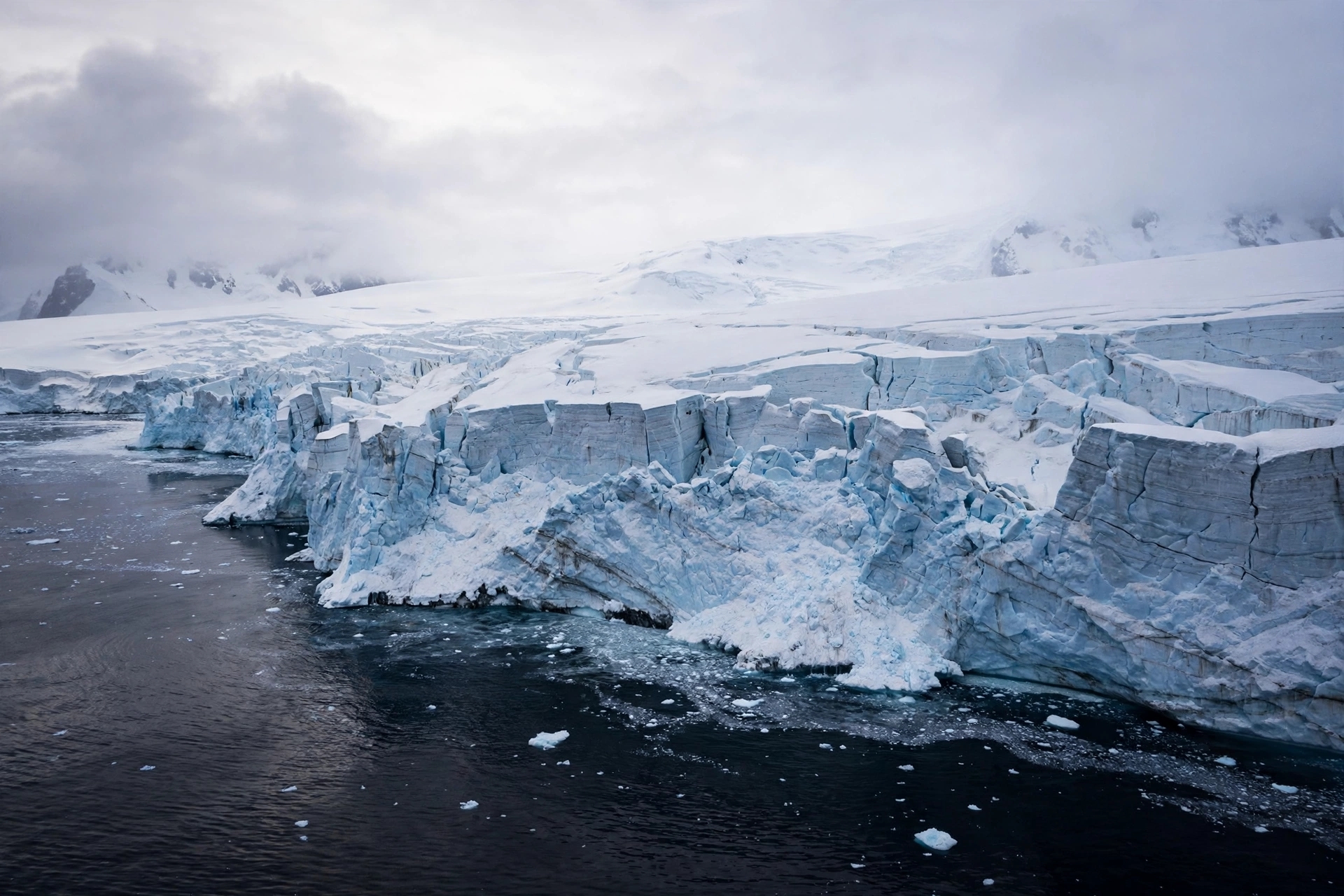
The Thwaites Glacier, often referred to as the 'Doomsday Glacier,' is a massive ice formation located in West Antarctica, roughly the size of Great Britain or Florida. Its thickness exceeds 6,500 feet in some areas, and it plays a critical role in holding back the West Antarctic Ice Sheet. Recent observations indicate that the glacier's retreat has accelerated significantly over the past few decades, with its ice flow into the ocean doubling between the 1990s and 2010s. This alarming trend has made Thwaites a focal point for glaciologists and climate scientists, as it currently contributes approximately 8 percent of global sea level rise.
[Recent Research Findings]
A recent study published in the journal Nature Communications has provided new insights into the dynamics of Thwaites Glacier. Researchers from the University of California, Irvine, and NASA’s Jet Propulsion Laboratory discovered that warm seawater is infiltrating beneath the glacier through a grounding zone that can extend several kilometers wide. This phenomenon, which many earlier climate models did not fully account for, has led to revised projections of sea level rise. By 2100, the glacier could contribute as much as 3 centimeters to global sea levels, a figure that is nearly double previous estimates.
[Historical Context]
The historical record offers a sobering perspective on the current situation. Sedimentary cores taken near Thwaites and the nearby Pine Island Glacier reveal that significant ice retreat began as early as the 1940s, coinciding with an extreme El Niño event that warmed west Antarctic waters from 1939 to 1942. This finding is crucial because it highlights that once the system was disrupted, the retreat continued for decades, even after the El Niño conditions subsided. This historical context raises critical questions about the potential future of the glacier and its implications for global sea levels.
[Future Projections and Risks]
If Thwaites were to collapse entirely, scientists estimate that global sea levels could rise by approximately 65 centimeters. Over a longer timeframe, the destabilization of the broader West Antarctic Ice Sheet could lead to a rise of more than 3 meters. Some projections suggest that a widespread collapse could occur by the 23rd century. The uncertainty lies not in whether these processes are occurring, but in the speed at which they may accelerate, posing significant risks to coastal communities worldwide.
[Scientific Initiatives]
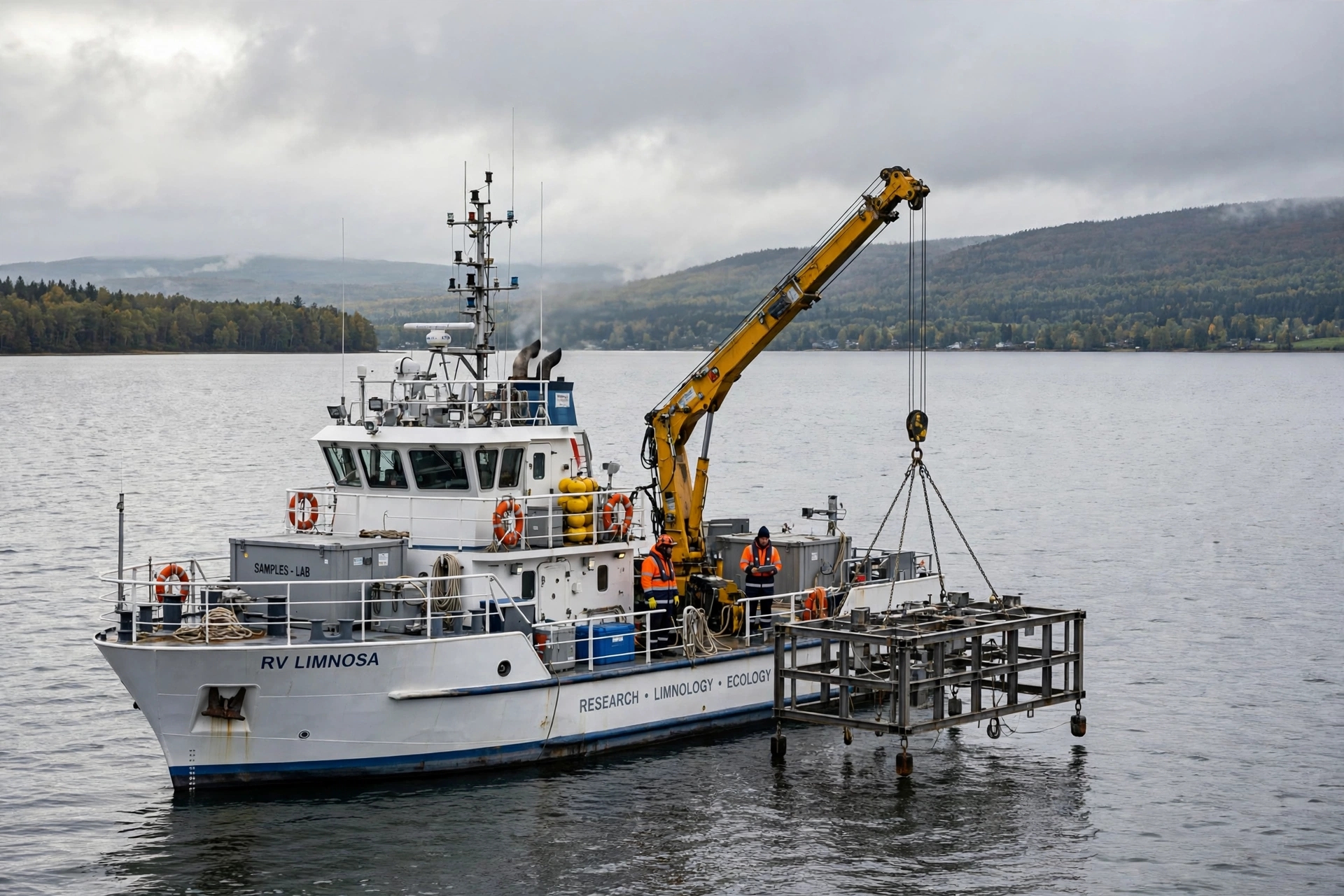
In response to these alarming trends, scientists are actively seeking solutions. An international collaboration has proposed the construction of a seabed-anchored curtain, approximately 152 meters tall and 80 kilometers long, designed to shield the glacier's underside from warm ocean currents. Additionally, researchers have drilled through the ice shelf to deploy instruments capable of transmitting real-time data from a thousand meters below the surface for at least a year. While these efforts are not definitive solutions, they represent crucial steps toward understanding the ongoing changes in this vital region.
[Conclusion]
The geological past does not dictate the human future, but it does provide valuable insights into the range of possibilities we face. Earth has experienced warmer periods before, and ice has responded in ways that have reshaped coastlines. The critical difference today is that these coastlines are home to hundreds of millions of people. The lessons learned from the Thwaites Glacier may not solely be about impending doom but rather about the timing of these changes and how much of that timing remains within human control.
AI Image Disclaimer: The images accompanying this article are generated by artificial intelligence and are not photographs of the actual glacier or research sites.
Published by Banx Network. This article is part of the Banx decentralized media programme, powered by the BXE token on the XRP Ledger.