A decade ago, the industry fear was too many planes and not enough passengers. Today, the inverse problem has arrived: people are traveling — but staffing the cabin remains a stubborn pressure point.
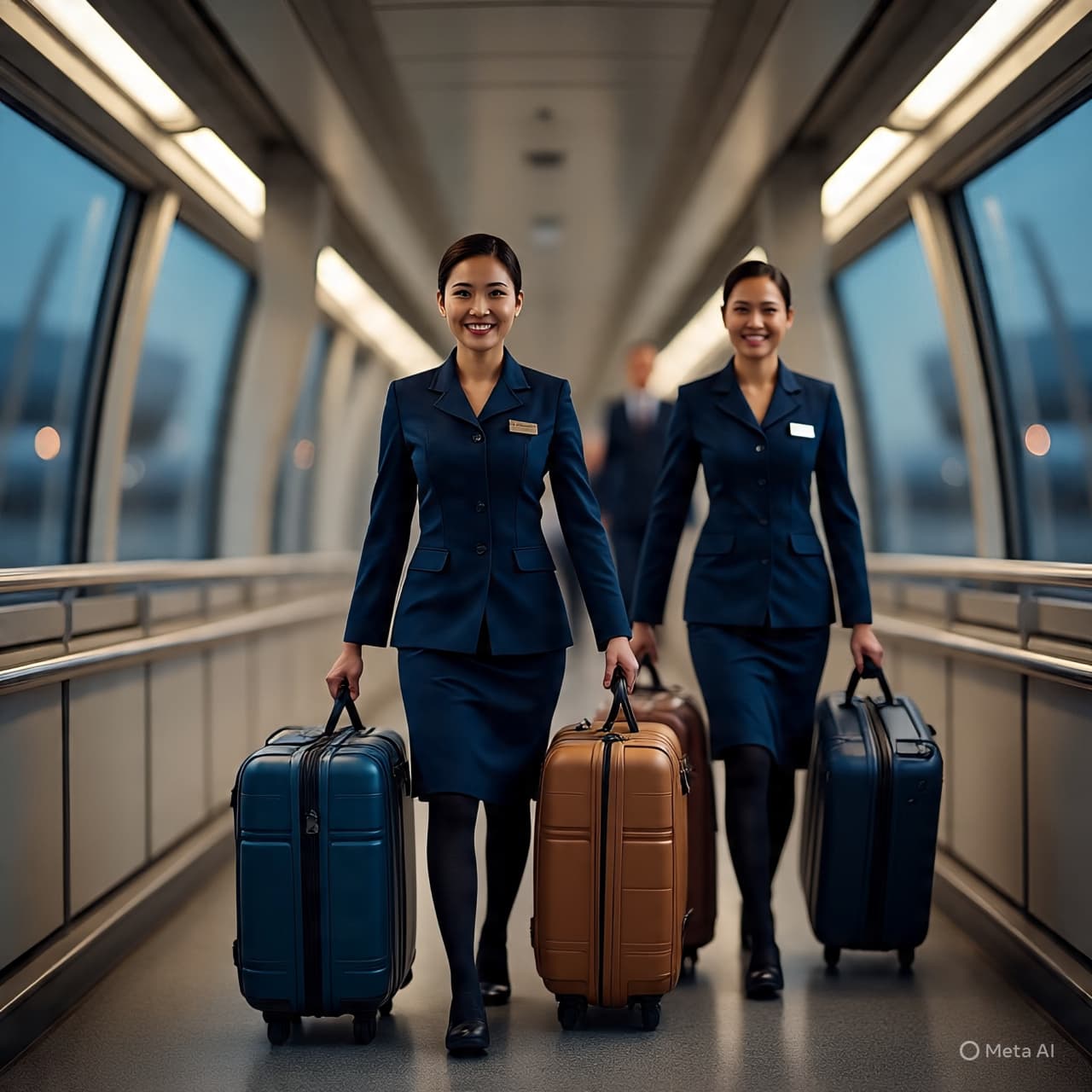
CNBC reports that both United Airlines and Delta Air Lines are offering extra pay if flight attendants pick up additional trips. You can almost hear the subtext: schedules are tight, the operation only works if enough crew volunteer to make the rotation work.
It’s a small but telling snapshot of post-pandemic aviation. Travel volume is back. Margins are volatile. Labor has leverage. Carriers are now paying to secure predictability — not passengers.
The U.S. aviation system has always been cyclical. But this phase feels like the first honest admission that the new bottleneck might not be fuel, or aircraft deliveries, or even airport capacity. It might simply be humans.
Airlines are not just paying for time. They are paying for stability, control, operational certainty. And maybe this is the quiet new economics of a fully reopened sky: demand isn’t the problem. Execution is.
Published by Banx Network. This article is part of the Banx decentralized media programme, powered by the BXE token on the XRP Ledger.