Across Russia’s northern landscapes, natural gas travels through an immense network of wells, processing plants, pipelines, and export terminals. The infrastructure was built over decades to connect production fields with customers across distant markets. Today, that network faces a commercial environment in which familiar routes are changing and producers must reconsider where future demand may come from.
Russia’s economy ministry revised its forecasts for natural-gas production and exports in September 2026. Reuters reported that the country expected to produce 683.1 billion cubic meters of gas this year, a reduction of 5.3 billion cubic meters from its previous projection. The revised estimate was still higher than the 662.7 billion cubic meters recorded in 2025.
The adjustment reflects the difficulty of planning production when access to traditional markets is uncertain. Natural-gas infrastructure requires long-term commitments, and pipelines cannot easily redirect supplies to distant customers without suitable connections. When demand changes, producers must weigh the cost of maintaining existing systems against the investment required to reach alternative markets.
Europe has become a central part of this changing picture. Russian pipeline gas exports to Europe fell by 44% in 2025, reaching 18 billion cubic meters, their lowest level since the 1970s, according to Reuters. The reduction followed the closure of transit routes through Ukraine and the European Union’s efforts to move away from Russian gas imports.
Liquefied natural gas offers a different route to customers. Unlike pipeline gas, LNG is cooled into liquid form so that it can be transported by specialized vessels. This can give producers access to markets farther away, but the process requires expensive liquefaction facilities, suitable ships, export terminals, and receiving infrastructure. The flexibility comes with substantial capital and logistical requirements.
Russia’s LNG export forecast was also reduced. The economy ministry expected shipments to reach 35 million tonnes in 2026, below its earlier projection, although still above the 30.3 million tonnes recorded in 2025. The revision suggested that LNG exports could continue growing, but at a slower pace than previously anticipated.
These figures show why production and exports must be considered separately. A country can extract more gas while facing difficulty selling it to the customers it once served. Storage capacity, transport infrastructure, international demand, and access to technology all influence how much production can be converted into export revenue.
For Russia, the challenge extends beyond a single year’s forecast. Energy companies need to decide where to direct investment, how to maintain existing facilities, and whether new export infrastructure can provide reliable returns. Those decisions may shape the industry for years, especially because large energy projects typically require substantial spending before revenue begins to arrive.
The wider gas market is also affected by competition among suppliers and the energy choices of importing countries. Governments must consider affordability, energy security, infrastructure, and environmental targets when deciding how much gas to buy and from whom. These decisions can shift demand gradually, but their effects can be substantial for producers dependent on a limited number of markets.
For consumers, changing export patterns may influence regional supply balances and energy prices, although the outcome depends on weather, storage, competing fuels, and demand. A reduction in one supplier’s exports does not automatically produce a global shortage, just as higher production does not guarantee lower prices everywhere.
Russia’s revised forecasts reveal an energy industry adapting to a different commercial geography. Production is still expected to exceed the previous year’s level, but traditional pipeline markets have weakened and LNG growth has fallen short of earlier expectations. The next stage will depend on how successfully the country develops alternative routes and how global buyers balance price, reliability, and long-term energy needs.
SEO Slug: `russia-natural-gas-production-export-forecasts-2026`
Hashtags: #Russia #NaturalGas #LNG #EnergyMarkets #GasExports #GlobalBusiness #EnergyIndustry
Image Disclaimer
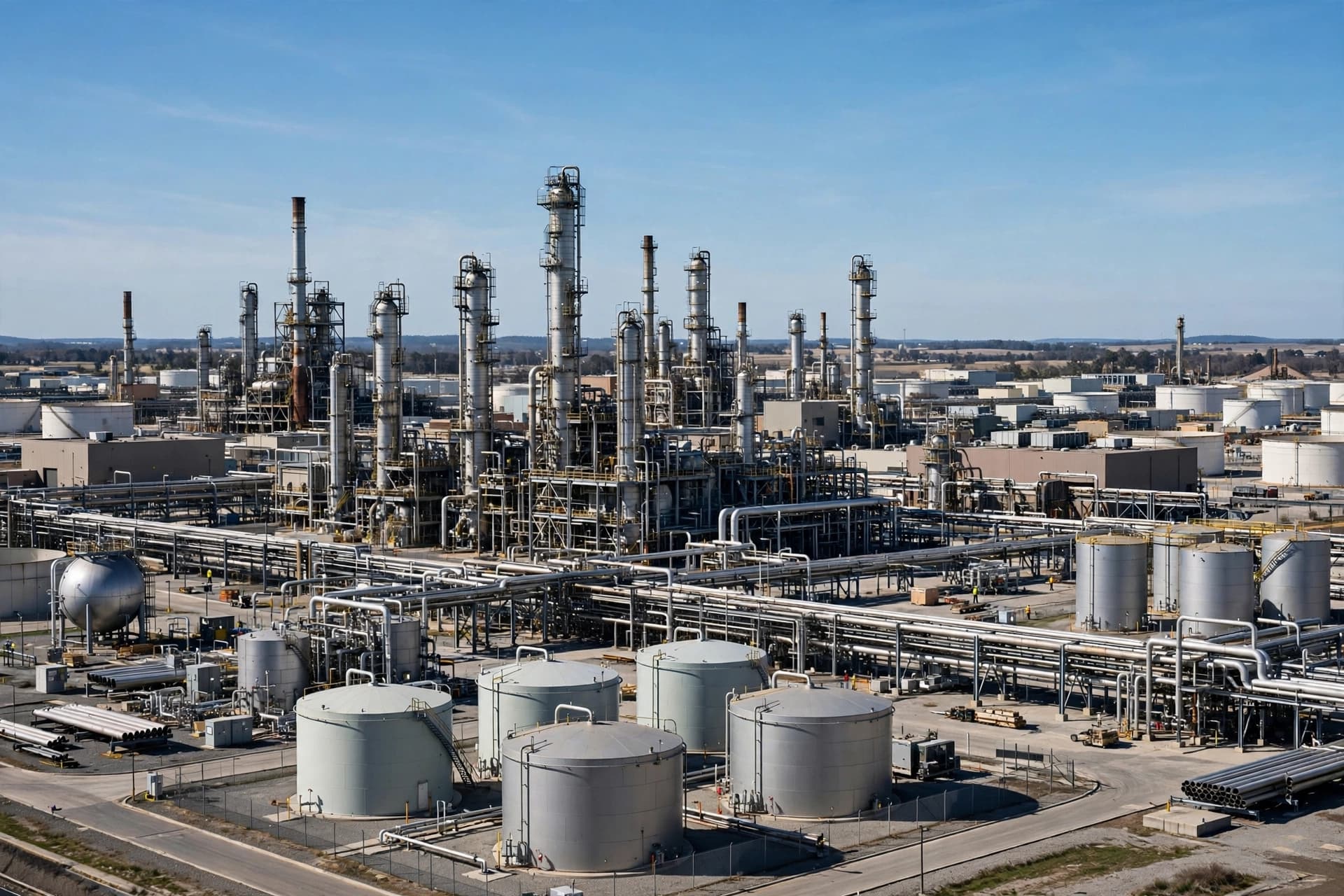
The illustrations are AI-generated conceptual depictions of natural-gas production and transportation. They do not represent specific Russian gas fields, pipelines, or export facilities.
Published by Banx Network. This article is part of the Banx decentralized media programme, powered by the BXE token on the XRP Ledger.