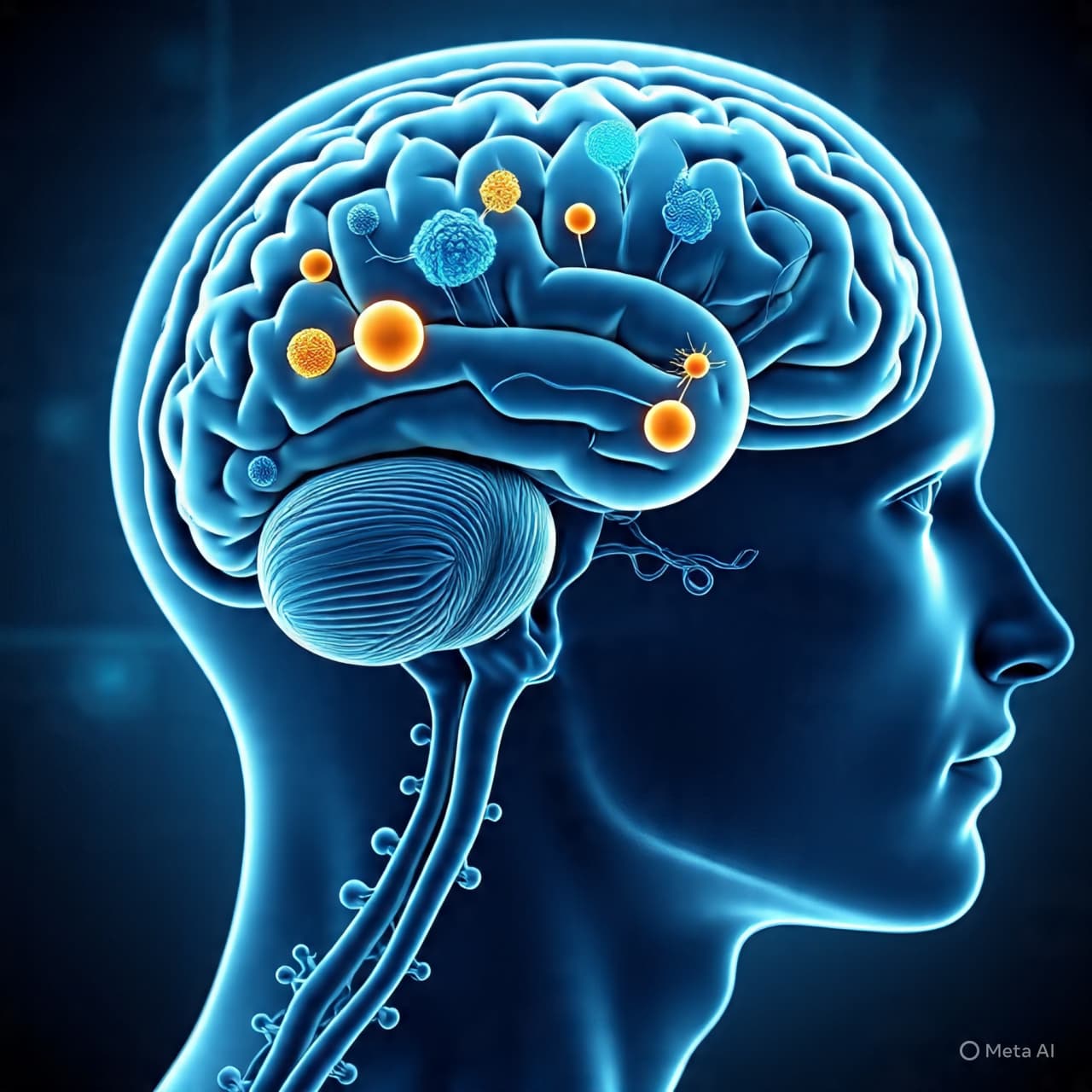
Article In the quiet of an ordinary morning, a subtle pressure begins at the temple, a flicker of light dances across the vision, and the day tilts into a realm where ordinary focus becomes impossible. This is not simply a headache; this is a migraine — a condition that, while invisible to the naked eye, speaks profoundly to the intricate choreography of the human brain. For millions around the world, migraines are reminders of how delicately balanced our nervous systems are, and how small shifts in that balance can ripple into significant pain and disruption.
Migraines are fundamentally a neurological disorder. Unlike tension headaches, which often arise from muscle strain or stress, migraines involve complex interactions between nerves, blood vessels, and brain chemicals. At the heart of the experience is the trigeminal nerve, a major pathway that communicates pain and sensory signals. When this system becomes hyperactive, it releases substances that inflame nearby blood vessels, producing the characteristic throbbing or pulsating pain that defines a migraine. (mayoclinic.org)
Brain chemicals also play a pivotal role. Fluctuations in serotonin and the protein CGRP (calcitonin gene-related peptide) can make the brain more sensitive to pain and trigger the cascade of nerve activation. In some migraines with aura, a phenomenon called cortical spreading depression briefly disrupts electrical activity across the brain’s surface, producing visual or sensory disturbances before the headache itself begins. (sciencenewstoday.org)
Yet neurological predisposition alone does not explain the timing of every attack. Genetics play a role, making some individuals more susceptible; a family history of migraines significantly increases one’s likelihood of experiencing them. Beyond genetics, environmental and lifestyle factors — often referred to as triggers — can provoke an episode. Bright lights, loud sounds, strong odors, skipped meals, dehydration, hormonal fluctuations, and stress may all bring on attacks in someone who is predisposed, but these triggers are rarely the root cause. They are like gentle winds nudging an already swaying tree toward motion, not the source of the tree’s growth or its inherent instability. (mayoclinic.org)
Diagnosing migraines involves a careful, empathetic conversation between patient and physician. Doctors look for patterns of recurring headaches, sensitivity to light or sound, nausea, and the presence of aura symptoms. Imaging and lab tests may be used to rule out other causes, but the diagnosis is primarily clinical, grounded in observation and detailed patient history. (my.clevelandclinic.org)
Treatment, too, is multifaceted. Acute interventions — medications like triptans or NSAIDs — aim to relieve pain once an attack begins. Preventive strategies, often underappreciated, seek to reduce the frequency and severity of attacks through lifestyle adjustments, hydration, regular sleep, stress management, and, in some cases, medications such as CGRP inhibitors or beta-blockers. Behavioral techniques, mindfulness, and biofeedback may also provide subtle but meaningful relief, emphasizing the role of mind and body in harmony. (mayoclinic.org)
Ultimately, understanding migraines is a journey into the poetry of the human nervous system — a dance of neurons, chemicals, and blood vessels that sometimes misstep, producing pain and disruption, yet revealing the intricate machinery that underlies thought, sensation, and perception. For those who experience migraines, relief comes not only from medicine but from awareness, adaptation, and the careful tending of one’s own neurological landscape.
AI Image Disclaimer (rotated wording) Graphics are AI-generated and intended for representation, not reality.
Sources Mayo Clinic Cleveland Clinic Science News Today National Institute of Neurological Disorders and Stroke American Migraine Foundation
Published by Banx Network. This article is part of the Banx decentralized media programme, powered by the BXE token on the XRP Ledger.