The scars of trauma are often invisible, etched not on the skin but on the soul, lingering long after the immediate danger has passed. For survivors of the October 7 attacks in Israel, the journey toward healing has been fraught with profound grief and psychological turmoil. In a heartbreaking testament to this enduring pain, a survivor recently took his own life at the grave of his girlfriend, who was killed in the massacre. This tragic act underscores the deep, lasting impact of violence and the urgent need for comprehensive mental health support for those who live through such horrors.
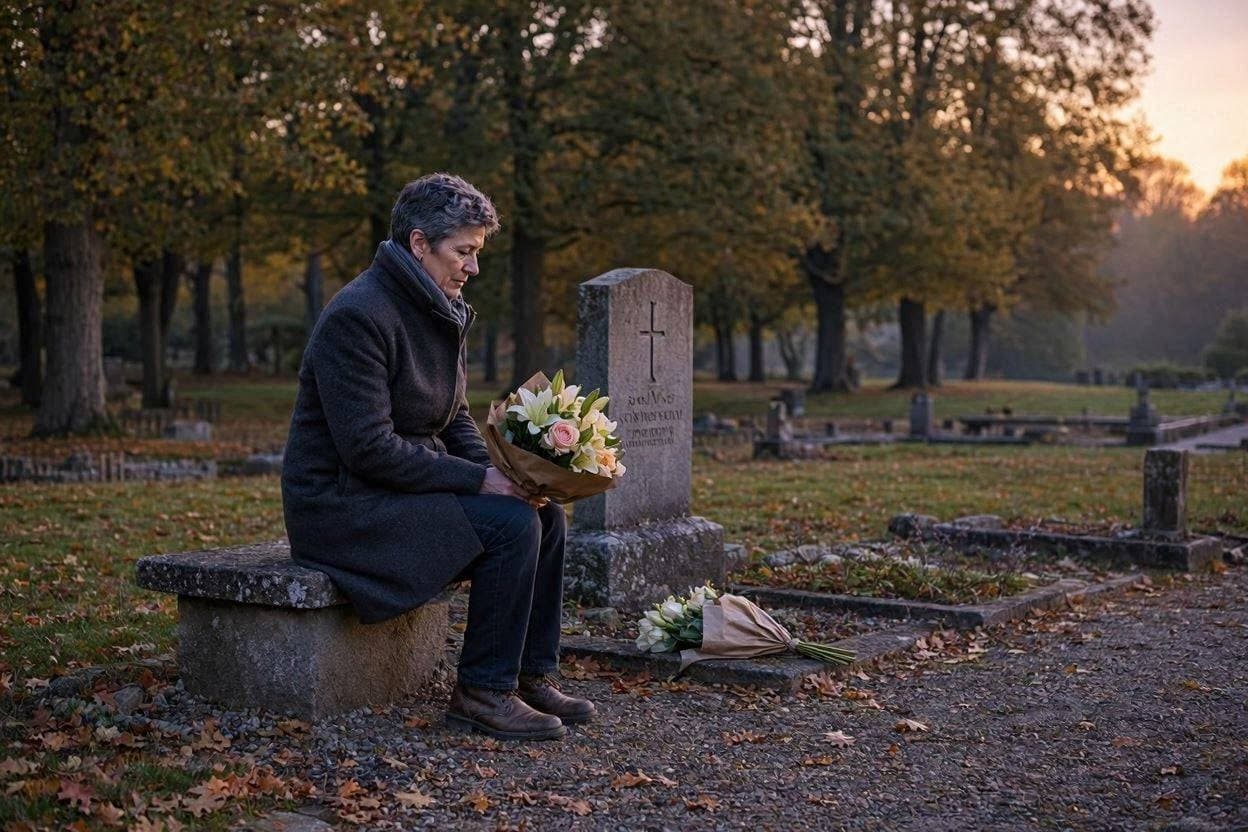
The individual, whose identity has been protected to respect his family’s privacy, had been struggling with severe post-traumatic stress disorder (PTSD) since the attacks. Like many survivors, he faced the dual burden of surviving while losing loved ones. The death of his girlfriend left a void that no amount of time seemed to fill. His decision to end his life at her gravesite was a final, desperate expression of his inability to cope with the loss and the memories that haunted him.
Mental health professionals warn that suicide rates among survivors of traumatic events can remain elevated for years. The initial surge of community support often wanes, leaving individuals to navigate their grief in isolation. For October 7 survivors, the collective trauma is compounded by ongoing security concerns and political uncertainty, creating an environment where healing feels elusive. The stigma surrounding mental health struggles can further prevent people from seeking the help they desperately need.
This incident has sparked a renewed conversation in Israel about the adequacy of psychological services for victims of terror. While organizations have stepped up to provide counseling, the demand far exceeds the available resources. Many survivors report feeling overwhelmed by the complexity of navigating bureaucratic systems to access care. The gap between immediate emergency response and long-term therapeutic support remains a critical challenge.
Community leaders and advocates are calling for a more sustained and integrated approach to mental health care. This includes specialized trauma therapy, peer support groups, and easier access to psychiatric services. The goal is to create a safety net that catches those who might otherwise fall through the cracks. Recognizing the signs of distress early and intervening effectively can save lives.
The story of this survivor is not unique. Numerous accounts have emerged of individuals struggling with depression, anxiety, and suicidal thoughts in the aftermath of October 7. Each case is a personal tragedy, but together they form a pattern that demands societal attention. It is a reminder that the cost of conflict extends far beyond the physical casualties, affecting the mental well-being of entire communities.
Friends and family describe the deceased as a kind and loving person who was deeply affected by his losses. His death serves as a poignant reminder of the human cost of violence. It urges us to look beyond the headlines and see the individuals behind the statistics, each carrying their own burden of sorrow. Compassion and understanding are essential in supporting those who are grieving.
As the community mourns another loss, the focus must shift to preventing future tragedies. Strengthening mental health infrastructure and reducing stigma are vital steps in helping survivors heal. In honoring the memory of those lost, we must also commit to caring for those who remain, ensuring they do not have to face their pain alone.
AI Image Disclaimer: Please note that the images in this piece are AI-generated illustrations created to depict the themes of grief and mental health awareness.
Sources: The Times of Israel, Haaretz, Jerusalem Post, Mental Health Advocacy Groups
Published by Banx Network. This article is part of the Banx decentralized media programme, powered by the BXE token on the XRP Ledger.