Key Highlights
- Ancient Canyons:Researchers mapped underwater canyons in the Flinders Ranges, revealing their role in fossil preservation.
- Ediacaran Period:The findings date back to approximately 550 million years ago, shedding light on early complex life.
- UNESCO Bid:The research supports the Flinders Ranges' nomination for UNESCO World Heritage status due to its unique fossils.
Researchers from the University of Adelaide have unveiled significant findings about the ancient ocean that once covered the Flinders Ranges in South Australia. This research, published in Earth and Planetary Science Letters, highlights how underwater canyons carved into the continental shelf played a crucial role in preserving some of Earth's earliest complex life forms during the Ediacaran period, approximately 550 million years ago.
The study reveals that these canyons, some reaching depths of up to 280 meters and widths of nearly six kilometers, were formed as the ocean carved into the seafloor. As sea levels rose, these canyons were rapidly flooded, creating conditions ideal for the preservation of delicate, soft-bodied organisms. Unlike later life forms that left behind hard shells and bones, the Ediacaran biota required specific conditions for fossilization, including rapid burial in fine sediment and a stable environment to prevent disturbance.
Diego Garcia-Bellido, an associate professor at the University of Adelaide, emphasized the significance of these findings, stating, "You have to imagine that the Flinders Ranges was under the ocean. Canyons were being carved and creating this accommodation space for a lot more sediment." This sediment accumulation allowed for the growth of microbial mats and the thriving of the Ediacara biota, which are among the earliest known complex life forms.
The research also addresses a long-standing debate regarding the formation of these canyons. Previous theories suggested that river erosion was responsible, requiring significant drops in sea levels or uplift of the basin. However, the new findings indicate that underwater erosion played a pivotal role, with powerful currents transporting materials into the canyons and gradually sealing them with various sediment layers.
The implications of this research extend beyond geology. The fossils found in the Flinders Ranges are central to an ongoing bid for UNESCO World Heritage status. Understanding the geological history that led to the preservation of these fossils strengthens the case for their recognition. The Ediacaran biota represents a critical point in the evolution of life on Earth, showcasing the first experiments in multicellular complexity.
While the canyons themselves have long since filled and transformed, the fossils remain as delicate impressions in stone, a testament to the ancient ocean's role in shaping life on Earth. This research not only enhances our understanding of these early organisms but also provides insight into the environmental conditions that allowed them to survive.
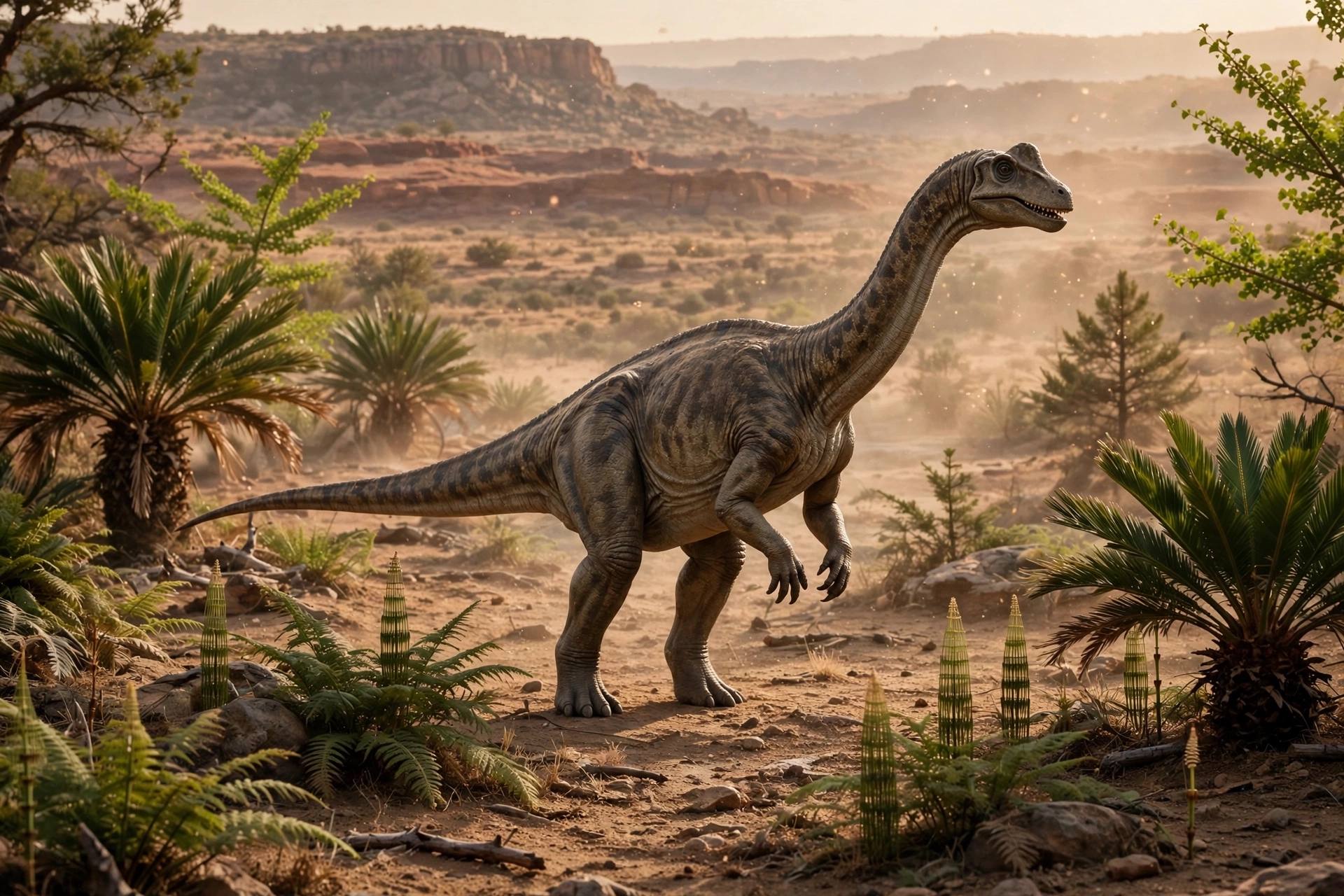
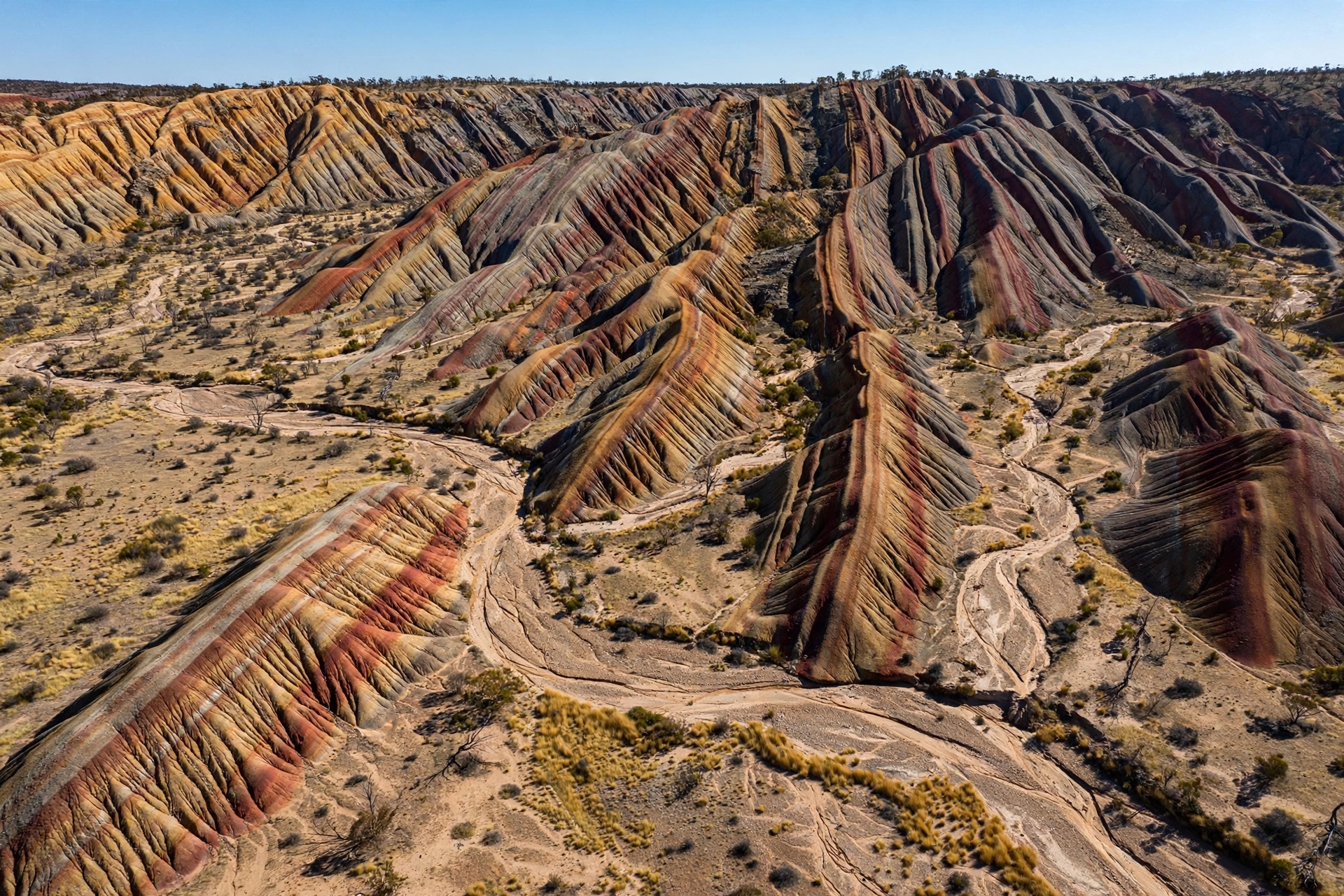
The images in this article are AI-generated and do not depict the actual research sites or fossils.
Published by Banx Network. This article is part of the Banx decentralized media programme, powered by the BXE token on the XRP Ledger.