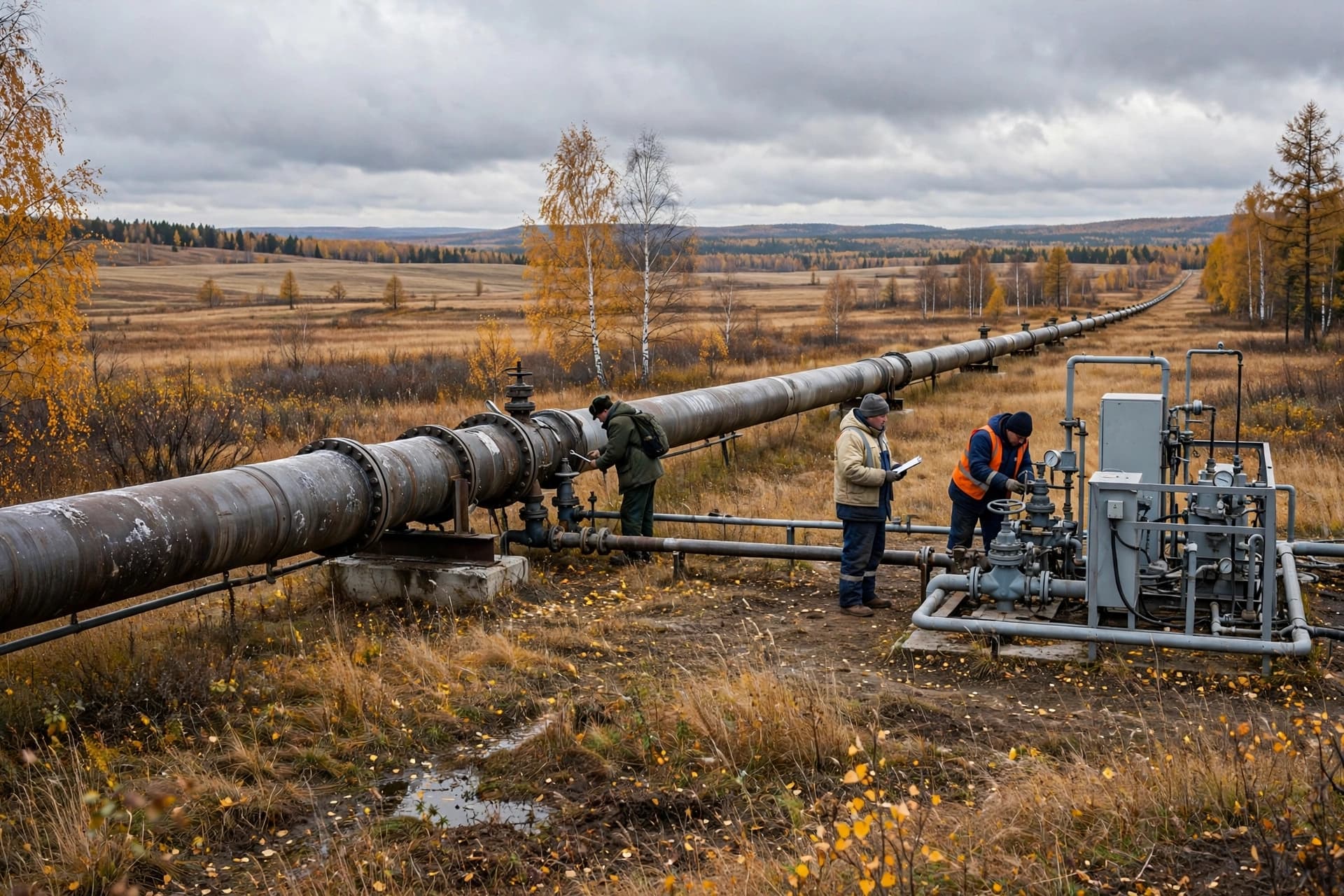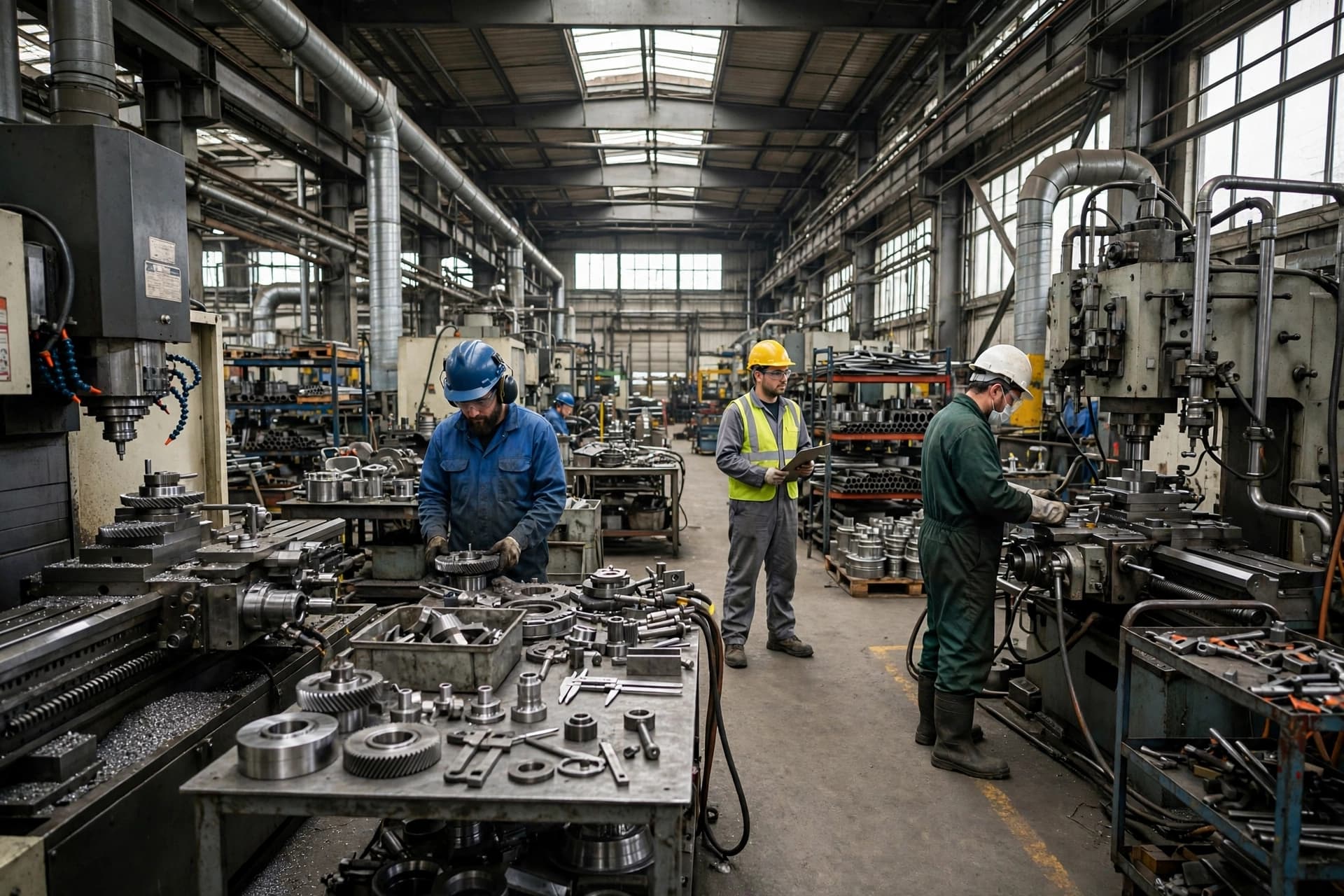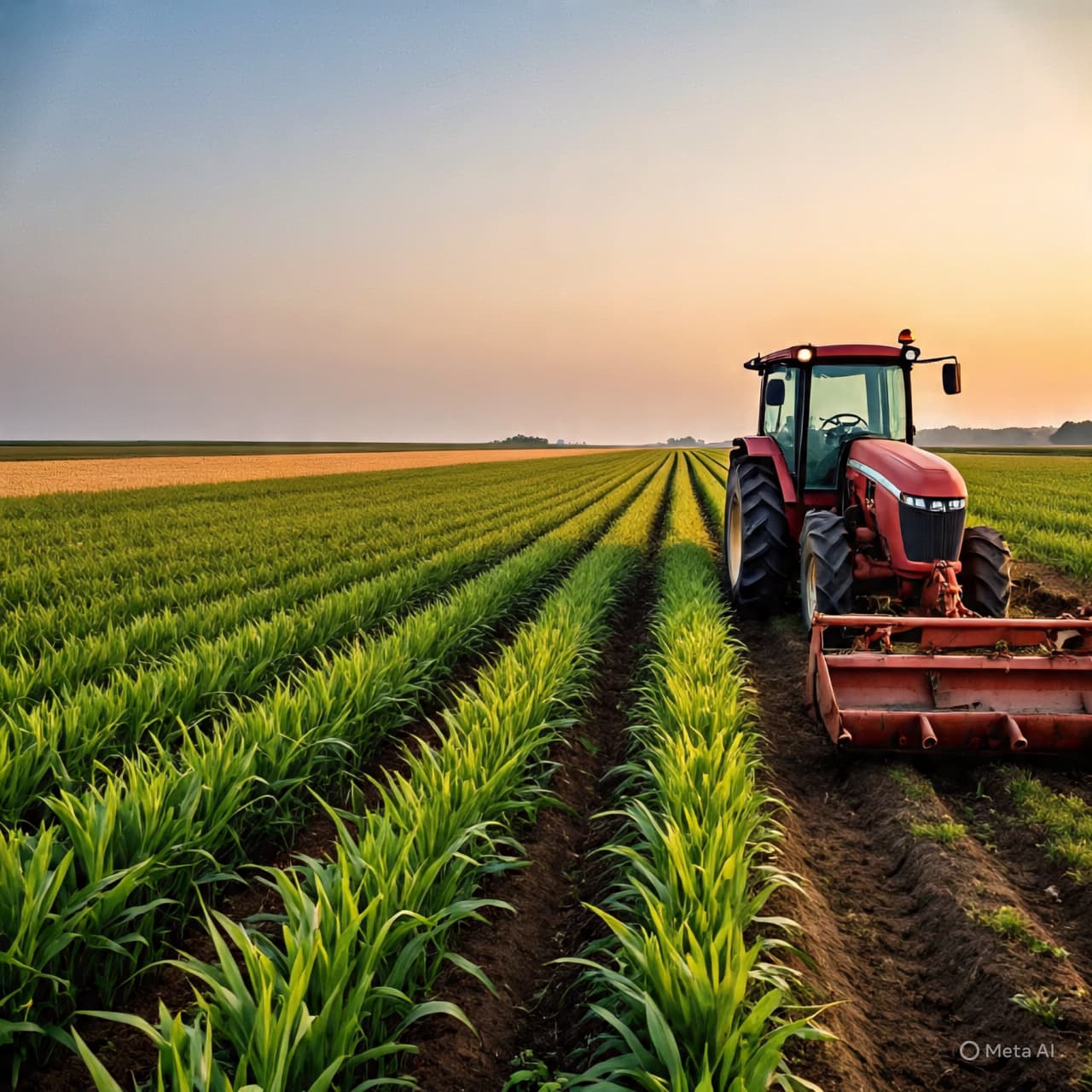
The cicadas hum a warning across summer fields, a faint echo of absence rather than presence. In America’s heartlands, too, silence is seeping into fields once full of movement. The U.S. Labor Department has issued a caution: a shrinking workforce is disrupting production, driving costs upward, and threatening the delicate balance that keeps food on grocery shelves.
The warning comes in the wake of intensifying immigration enforcement and shifting labor eligibility rules. In recent months, the Department flagged that the “near-total cessation” of undocumented labor inflows, paired with the scarcity of qualified domestic farmworkers, is destabilizing crop and livestock operations. The language is stark: risks of “supply shock-induced food shortages” and disruptions to the stability of prices are now front and center. (Based on reporting from The American Prospect)
Agriculture is labor intensity in its purest form. Planting, harvesting, sorting, packing—each stage demands human hands, often on tight seasonal windows. When workers vanish or hesitate, entire harvests are at risk. The Department notes that American workers, though available in number, often do not possess the specific skills, stamina, or inclination to fill these roles at scale. The gaps left behind are not speculative; they show up in delayed harvests, fields left unpicked, and production backlogs.
As labor grows scarce, costs balloon. Farms must compete harder for scarce workers, offer higher wages, or rely more on mechanization. But many crops simply cannot wait for machines—or for new labor pipelines to form. The transitional lag becomes a drag on supply, and the pinch is passed downstream to processors, distributors, retailers, and ultimately consumers.
The consequences ripple far. Meat processing plants, fruit and vegetable farms, dairy operations—they all depend on continuity. Already, meat plants under immigration raids have seen staff reductions and output collapse. (See related news on meat facility disruptions) As bottlenecks emerge, food prices may climb faster and availability may shrink in some markets. Regions reliant on fresh produce or labor-intensive farming are especially vulnerable.
Policymakers and industry players now face a stark choice: accept rising food costs and periodic shortages, or rebuild the workforce—through improved visa systems, training programs, or incentives that make agricultural work viable for more Americans. The Department’s warning calls not for distant reforms, but immediate action, lest the foundations of food security begin to crack.
The U.S. Labor Department warns that a shortage of agricultural workers—driven partly by stricter immigration enforcement and a lack of qualified domestic substitutes—is disrupting production, raising costs, and threatening the stability of food supplies and consumer prices.
AI Image Disclaimer Visuals are created with AI tools and are not real photographs.
Sources The American Prospect Fast Company Reuters
Published by Banx Network. This article is part of the Banx decentralized media programme, powered by the BXE token on the XRP Ledger.