The shoreline of a city is often its most cherished public space, a place where the urban landscape meets the natural horizon. In Toronto, this waterfront has become the center of a spirited debate over development and public access. As Premier Doug Ford’s vision for expanding Billy Bishop Airport faces federal rejection, Mayor Olivia Chow has firmly declared that the area belongs to the people, not to private aviation interests. Her stance reflects a broader commitment to preserving communal spaces amidst the pressures of growth and modernization.
The proposed expansion aimed to allow jet aircraft at the island airport, a move that promised increased connectivity but also raised concerns about noise, pollution, and the loss of green space. With the federal government indicating it would not support the plan, the political dynamic shifted from negotiation to reclamation. Mayor Chow seized this moment to demand that the province return control of the expropriated lands to the city, arguing that the original justification for the takeover no longer exists.
For many Torontonians, the waterfront is more than just a transit hub; it is a sanctuary for recreation and reflection. The islands offer a quiet escape from the bustle of downtown, with parks, beaches, and trails that are accessible to all. The threat of expanded jet traffic was seen by many as an intrusion into this peaceful retreat, prioritizing commercial efficiency over community well-being. Chow’s insistence on returning the land underscores the value placed on these shared resources.
The conflict highlights the tension between provincial authority and municipal autonomy. The Ford government’s use of legislation to bypass city council decisions was viewed by critics as an overreach of power. By filing an urgent motion, Chow is challenging this precedent, seeking to restore the city’s role in shaping its own future. This struggle is not just about an airport but about who has the right to decide how public land is used.
Environmental considerations also play a significant role in the opposition to the expansion. Increased air traffic would contribute to higher carbon emissions and noise pollution, affecting both local residents and wildlife. Protecting the ecological integrity of the waterfront is a priority for many environmental groups, who have joined forces with community advocates to oppose the jet project. Their voices add weight to the mayor’s argument for preservation.
The federal government’s reluctance to approve the expansion adds another layer of complexity to the situation. Without federal support, the project lacks the necessary regulatory backing to proceed. This tripartite disagreement between city, province, and federal authorities illustrates the intricate web of governance that manages major infrastructure projects in Canada. Each level of government brings its own priorities and perspectives to the table.
As the debate continues, the focus remains on the principle of public ownership. Chow’s statement that "the waterfront belongs to everyone" resonates with a wide segment of the population who value inclusivity and accessibility. It serves as a reminder that urban planning should serve the common good, ensuring that development does not come at the expense of public enjoyment and environmental health.
The standoff over Billy Bishop Airport is a testament to the enduring importance of public space in urban life. As Toronto navigates this challenge, the outcome will likely shape the city’s approach to development and conservation for years to come, reinforcing the idea that some places are too precious to be privatized.
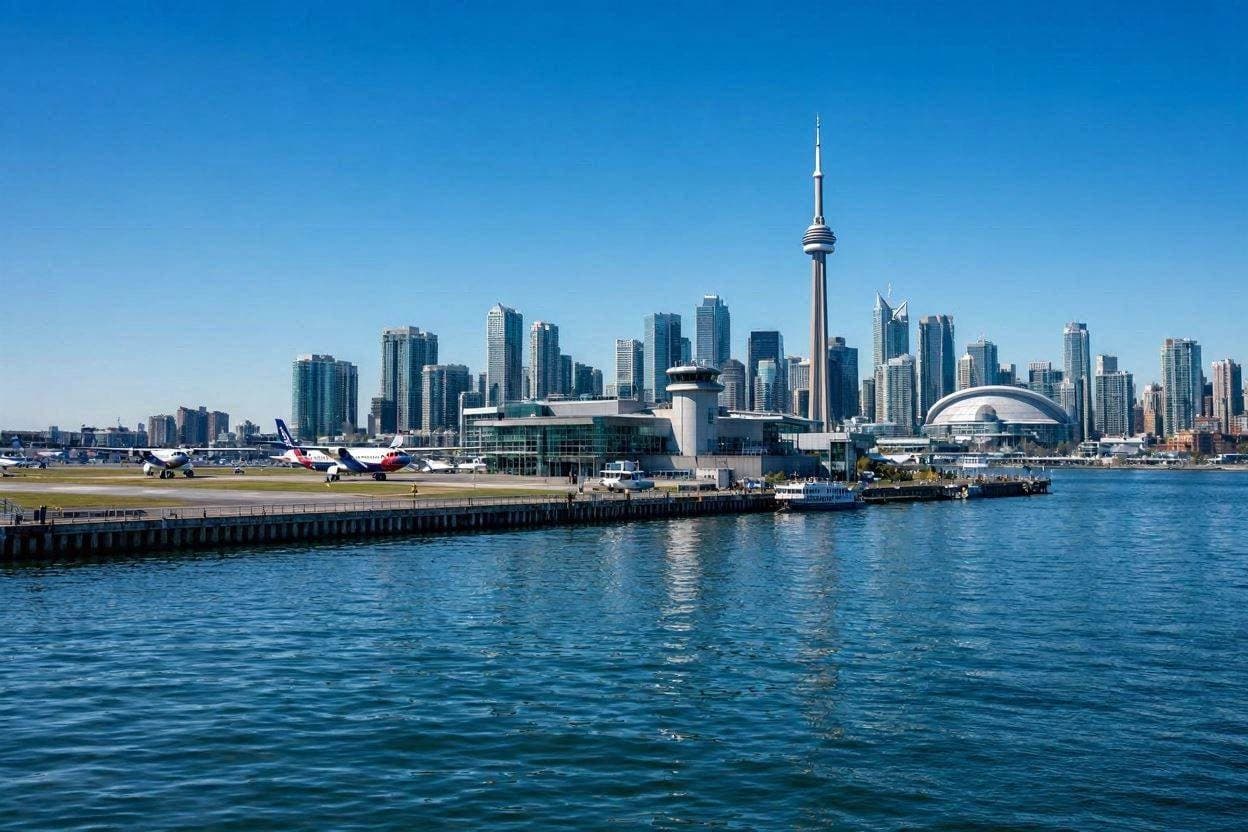
AI Image Disclaimer: The visuals accompanying this article are AI-generated illustrations designed to represent the themes of urban planning and public waterfronts.
Sources: CBC News, Global News, Toronto Star, OpenJaw
Published by Banx Network. This article is part of the Banx decentralized media programme, powered by the BXE token on the XRP Ledger.