Key Highlights
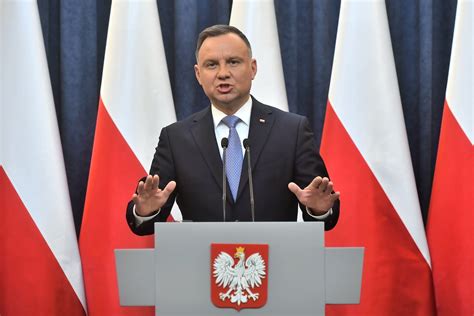
- Veto Decision:Polish President Karol Nawrocki vetoed a bill aimed at regulating online content.
- EU Compliance:The law was intended to align Poland with the EU’s Digital Services Act.
- Concerns Raised:Nawrocki expressed fears of potential censorship and arbitrary control over online expression.
Polish President Karol Nawrocki has officially vetoed a controversial bill that sought to empower regulators to block illegal online content. This decision comes amid ongoing discussions about the balance between online safety and freedom of expression. The proposed law was designed to help implement the European Union’s Digital Services Act, which aims to create a safer digital space by allowing authorities to respond swiftly to threats such as hate speech and incitement to violence.
In his statement regarding the veto, President Nawrocki emphasized the potential dangers of granting such powers to government officials. He argued that the authority to make decisions about online content should rest with independent judges rather than regulators, who may act arbitrarily. This perspective reflects a growing concern among many advocates for free speech, who fear that such laws could lead to censorship and the suppression of legitimate discourse.
The government, however, has expressed its disappointment with the veto, arguing that it leaves young people more vulnerable to harmful online content. Officials have stated that the decision delays Poland’s compliance with EU regulations, which could have broader implications for the country’s digital landscape. The Digital Services Act is part of a larger effort by the EU to ensure that online platforms take responsibility for the content they host, thereby protecting users from illegal activities.
Critics of the veto have pointed out that while the intention behind the law was to enhance online safety, the execution could have led to overreach. The debate highlights a significant tension in contemporary governance: the need to protect citizens from harmful content while also safeguarding fundamental rights such as freedom of expression. As digital platforms continue to evolve, the challenge for lawmakers will be to find a balance that addresses both concerns effectively.
The veto has sparked discussions among policymakers, civil society, and the tech industry about the future of online regulation in Poland. As the country navigates its relationship with EU directives, the implications of this decision will likely resonate beyond its borders, influencing how other nations approach similar issues. The ongoing dialogue will be crucial in shaping a framework that respects individual rights while ensuring a safe online environment for all users.
As Poland moves forward, the government will need to consider alternative strategies to address online safety without compromising on civil liberties. The outcome of this debate will be closely watched, as it may set precedents for how digital content is regulated in the future.
Published by Banx Network. This article is part of the Banx decentralized media programme, powered by the BXE token on the XRP Ledger.