Key Highlights
- Incident:An attempted explosion and arson attack targeted Threod Systems, an Estonian drone manufacturer.
- Arrests:Eight individuals have been detained in connection with the plot.
- Allegations:The attack is reportedly linked to Russia's military intelligence service, the GRU.
Estonian authorities are currently investigating a serious incident involving an attempted explosion and arson attack on Threod Systems, a prominent drone manufacturer based in Estonia. The attack, which has raised significant concerns about national security, reportedly involved eight individuals who have been detained as part of the investigation. The authorities suspect that the plot was orchestrated by Russia's military intelligence service, known as the GRU, although specific details regarding the suspects and the evidence against them have not been fully disclosed.
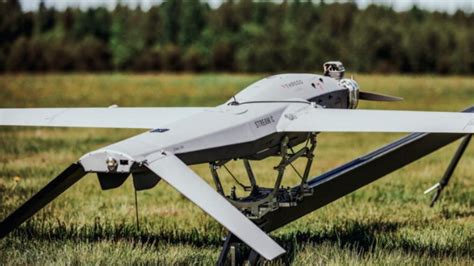
Threod Systems specializes in the production of unmanned aerial vehicles (UAVs) and related systems, catering primarily to military and security clients. The company has gained recognition for its innovative technology and has been involved in various defense projects. The attack on Threod comes at a time when tensions between Estonia and Russia are heightened, particularly following Estonia's recent attribution of a separate arson attack on another defense firm, Milrem Robotics, to Russian special services.
The Estonian government has been vocal about its concerns regarding Russian activities in the region, particularly in the context of cybersecurity and military threats. The recent incidents have prompted discussions about the need for enhanced security measures and vigilance against potential sabotage or espionage efforts by foreign entities. As the investigation unfolds, officials are likely to provide more information regarding the motives behind the attack and the implications for Estonia's defense industry.
Russian officials have yet to comment publicly on the allegations surrounding the arson attack on Threod Systems. This silence may reflect a broader strategy of denial or avoidance in response to accusations of state-sponsored sabotage. The lack of a response could also indicate the sensitivity of the situation, as any acknowledgment of involvement could escalate diplomatic tensions further.
In light of these events, Estonia's security agencies are expected to increase their scrutiny of potential threats from foreign intelligence services. The government may also seek to strengthen its partnerships with NATO allies to bolster its defense capabilities against such threats. The ongoing investigation into the arson plot will likely serve as a critical case study in understanding the evolving landscape of security challenges faced by Estonia and its allies in the region.
As the situation develops, stakeholders in the defense sector, including companies like Threod Systems, will be closely monitoring the outcomes of the investigation and any subsequent policy changes that may arise from it. The implications of this incident could have far-reaching effects on Estonia's defense posture and its relationship with neighboring countries, particularly Russia.
Published by Banx Network. This article is part of the Banx decentralized media programme, powered by the BXE token on the XRP Ledger.