Key Highlights
- Kılıçdaroğlu identifies Greece as a potential conflict zone.
- His remarks reference the militarization of Aegean islands.
- The comments sparked criticism and renewed tensions between Turkey and Greece.
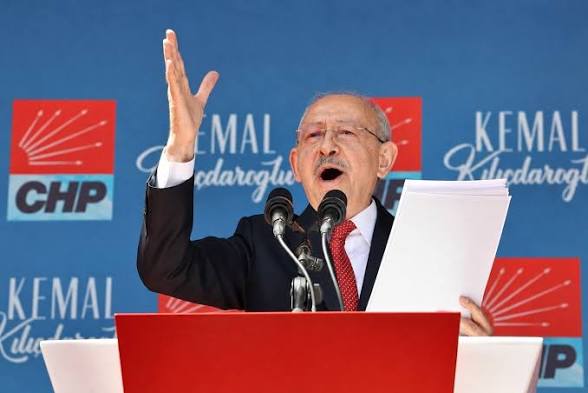
Kemal Kılıçdaroğlu, the leader of Turkey's Republican People's Party (CHP), has made headlines by suggesting that Greece is the most likely location for a future conflict. During a recent discussion on Turkey's political landscape, Kılıçdaroğlu pointed to the militarization of Aegean islands as a significant factor contributing to rising tensions between the two nations. His comments come at a time when relations between Turkey and Greece, both NATO allies, are particularly strained.
Kılıçdaroğlu referenced the late former Prime Minister Bülent Ecevit, known for his strong stance during the Cyprus crisis in the 1970s, to illustrate how he believes Ecevit would have reacted to Greece's current military posture. He emphasized that while he does not foresee an imminent war, the situation remains precarious. "I do not see war as likely under current conditions," he stated, indicating a cautious approach to the escalating rhetoric.
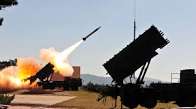
The CHP leader also raised concerns about the U.S. military presence in Alexandroupoli, Greece, questioning its implications for regional stability. This remark reflects a broader unease in Turkey regarding the increasing military cooperation between Greece and the United States, which some Turkish officials perceive as a direct threat to their national security.
Kılıçdaroğlu's statements have drawn sharp criticism from Greek officials, who view them as provocative and inflammatory. The Greek government has responded by reiterating its commitment to defending its sovereignty and territorial integrity. This exchange of remarks has reignited discussions about the historical and ongoing disputes between the two nations, particularly over territorial waters and airspace in the Aegean Sea.
The backdrop of these tensions includes a series of military exercises conducted by both countries in the region, further complicating diplomatic relations. Analysts suggest that the rhetoric from both sides could escalate if not managed carefully, as both nations navigate their roles within NATO while addressing their bilateral disputes.
As the situation develops, observers will be watching closely to see how Kılıçdaroğlu's comments influence public opinion in Turkey and whether they lead to any shifts in policy or military strategy. The potential for conflict remains a sensitive topic, and the responses from both governments will be crucial in determining the future of Turkey-Greece relations.
Published by Banx Network. This article is part of the Banx decentralized media programme, powered by the BXE token on the XRP Ledger.