Key Highlights
- Pentagon's licensing delay: Ukraine's ability to produce Patriot missiles is hindered.
- Key officials involved:Secretary of State Marco Rubio and Defense Secretary Pete Hegseth agreed on the arrangement.
- Ongoing conflict:Ukraine seeks reliable missile supply to defend against Russian attacks.
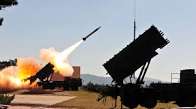
The Pentagon's delay in processing the necessary licensing paperwork has stalled Ukraine's efforts to produce Patriot interceptor missiles domestically. According to sources cited by journalist Alex Raufoglu, the agreement for Ukraine to manufacture these critical defense systems was reached in October by U.S. Secretary of State Marco Rubio and Defense Secretary Pete Hegseth. However, the required documentation remains incomplete, causing significant setbacks in Ukraine's defense capabilities.
The hold-up is reportedly occurring at the level of Michael Duffey, the under secretary of defense for acquisition and sustainment. This bureaucratic delay has raised concerns among Ukrainian officials, who are eager to bolster their defenses against ongoing Russian missile attacks. The need for a reliable supply of interceptors has become increasingly urgent as the conflict continues to escalate, with cities across Ukraine facing the threat of ballistic missile strikes.
Despite the urgency of the situation, the Pentagon has not issued any public comments regarding the delay or the status of the licensing process. This lack of transparency has led to frustration among Ukrainian leaders, who are relying on U.S. support to enhance their military capabilities. The Patriot missile system is considered one of the most advanced air defense systems available, and its production in Ukraine would significantly improve the country's ability to protect its civilian population.
As the conflict in Ukraine persists, the implications of this delay extend beyond military logistics. The ability to produce these missiles domestically could serve as a morale booster for the Ukrainian populace, demonstrating a commitment to self-reliance in the face of aggression. Furthermore, it would signal to both allies and adversaries that Ukraine is taking proactive steps to enhance its defense posture.
In conclusion, the Pentagon's licensing delay poses a significant challenge for Ukraine as it seeks to fortify its defenses against Russian aggression. With key officials involved in the agreement, the expectation was that the licensing process would proceed smoothly. However, the current stalemate raises questions about the efficiency of the U.S. defense bureaucracy and its impact on international military cooperation.
Published by Banx Network. This article is part of the Banx decentralized media programme, powered by the BXE token on the XRP Ledger.