Key Highlights
- Oceans absorb 35% of carbon emissions, averaging 2.8 billion metric tons annually.
- Land sink absorbs only 13% of emissions, showing no long-term growth.
- Study suggests climate models may need adjustment regarding land carbon absorption.
A recent study published in the journal Science sheds light on the critical role oceans and land play in absorbing carbon dioxide (CO2) emissions from human activities. Researchers from UC San Diego's Scripps Institution of Oceanography analyzed over three decades of atmospheric measurements to understand how these natural sinks are responding to rising emissions. The findings reveal that while oceans are increasingly absorbing CO2, the land's capacity to do so is declining, raising concerns about the future of climate stability.
Between 1990 and 2019, the oceans absorbed an average of 2.8 billion metric tons of carbon dioxide each year, which accounts for approximately 35% of global fossil fuel emissions. This represents a significant increase in the ocean's carbon absorption capacity, which grew by about 630 million metric tons per decade. In contrast, the land sink, which absorbs about 1 billion metric tons of CO2 annually, has remained stagnant, accounting for only 13% of emissions. This discrepancy is particularly alarming as it diverges from many climate models that predict an increase in land carbon absorption due to rising CO2 levels.
The study's lead author, Eric Morgan, expressed surprise at the findings, stating, "It was very surprising to see how the net land sink has not kept pace with rising CO2 levels." This observation suggests that the land sink may be more fragile than previously thought, potentially undermining assumptions made in climate models that expect enhanced plant growth due to increased carbon and nitrogen.
The implications of these findings are profound. The oceans, while currently absorbing a significant portion of emissions, face their own challenges. The process of carbon absorption leads to ocean acidification, which poses threats to marine ecosystems and the overall chemical balance of ocean waters. Furthermore, as global temperatures rise, warmer waters may absorb less CO2, and the efficiency of mixing surface waters with deeper ocean layers could diminish, potentially slowing the rate of carbon sequestration in the future.
Despite the study's insights, the authors caution against overinterpreting the results. The measurements are complex and conducted by a limited number of laboratories worldwide, necessitating careful averaging over ten-year periods to account for natural variability. Morgan noted, "Without the land and ocean absorbing half the CO2 from fossil fuel emissions, we would be living on a very different planet." This statement underscores the importance of these natural sinks in mitigating climate change.
As the study highlights, the balance of carbon absorption between oceans and land is precarious. While the oceans are currently shouldering more of the burden, the land's declining capacity raises questions about the sustainability of this balance in the face of ongoing emissions. The research calls for a reevaluation of climate models to better reflect the realities of carbon absorption dynamics, particularly concerning land sinks.
In conclusion, the findings serve as a reminder of the delicate interplay between human activity and natural systems. As scientists continue to monitor these changes, the future of our planet's climate may depend on how effectively we can manage and understand these vital carbon sinks.
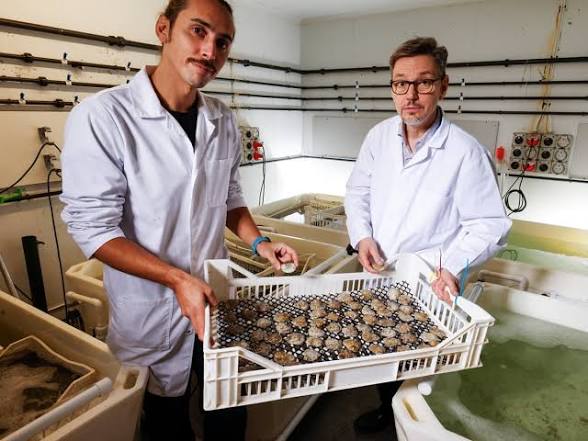
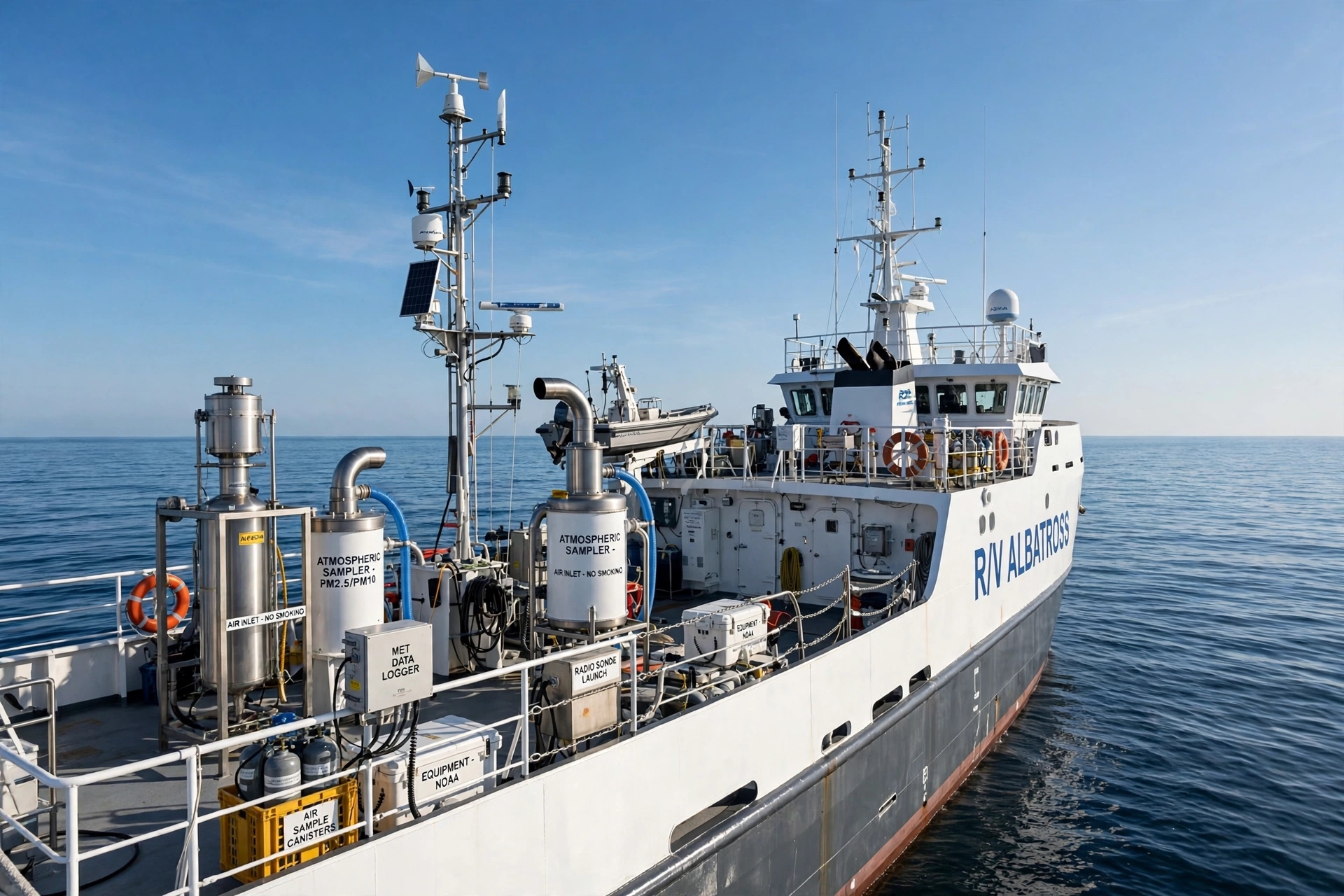
The images in this article are AI-generated and are not photographs of the researchers or sampling sites.
Published by Banx Network. This article is part of the Banx decentralized media programme, powered by the BXE token on the XRP Ledger.